


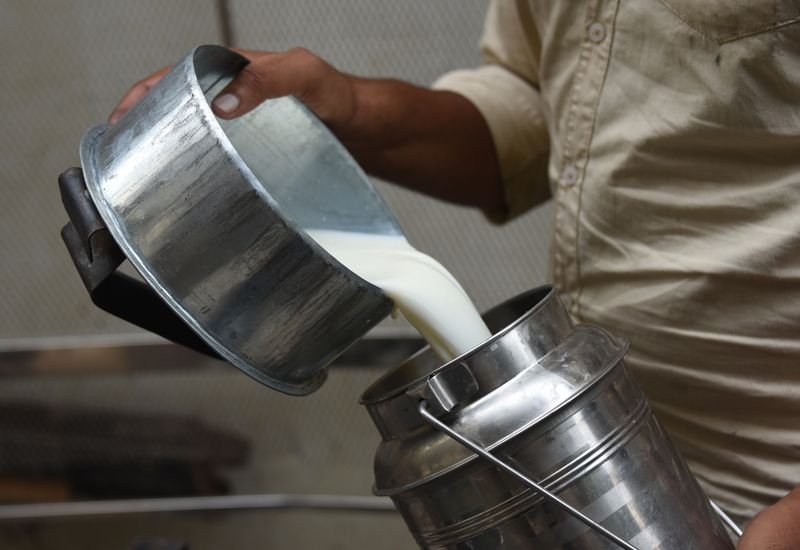
Milk prices in Amritsar are set to increase by ₹5 per litre from November 1, 2026, following rising production and operational costs faced by local dairy farmers, independent dairies and milk vendors. The revision will primarily affect loose milk supplied through local dairy networks, adding to the financial burden on households and commercial milk consumers across the city.
Representatives of local dairy associations have attributed the decision to increasing expenses associated with livestock procurement, animal nutrition, veterinary care and labour. According to industry representatives, the existing selling prices have become increasingly difficult to sustain as the cost of maintaining milk-producing animals continues to rise.
The decision comes at a time when dairy producers across northern India are experiencing higher input costs and seasonal fluctuations in milk demand. With the festive season driving consumption of milk and traditional dairy products, the price adjustment is expected to influence both household expenditure and the operating costs of businesses dependent on fresh milk supplies.
Rising Livestock, Feed and Operating Costs Put Pressure on Dairy Farmers
One of the major factors behind the price revision is the increasing cost of acquiring productive dairy animals. Dairy association representatives reported that purchase prices for milk-producing buffaloes and high-yielding crossbred cows have increased, raising the initial investment required for maintaining and expanding dairy operations.
Recurring expenditure has also increased significantly, particularly in animal nutrition. Commercial cattle feed, fresh fodder and dry fodder have become more expensive over recent months. Wheat straw and silage, both important components of livestock feeding systems, have also experienced rising costs.
Feed expenses represent a substantial part of dairy production economics because adequate nutrition directly influences animal health, milk yield and reproductive performance. For small and medium-sized dairy farmers, sustained increases in feed prices can significantly reduce operating margins.
Veterinary medicines and dairy worker wages have added further pressure. Maintaining productive animals requires regular healthcare, disease prevention and veterinary assistance, while labour remains essential for feeding, milking, cleaning and daily farm management.
Dairy association representatives argue that milk sales revenue has not increased at the same pace as these expenses, resulting in growing financial losses under existing selling prices.
Loose Milk Distribution Network Faces Direct Impact
Amritsar’s dairy supply chain operates through a combination of organised packaged-milk suppliers and independent local producers. Cooperative suppliers and established dairy brands serve the packaged milk market, while numerous independent farms, neighbourhood dairies and local vendors supply loose milk.
The latter distribution network includes vendors commonly known as dudhis, who deliver fresh milk directly to households and commercial establishments.
The ₹5 per litre increase will affect customers purchasing loose milk through these local channels. The impact will extend beyond individual households to businesses that depend on regular milk procurement.
Key customer segments include:
-
Households: Families purchasing loose milk for everyday consumption.
-
Tea vendors: Businesses relying on consistent daily milk supplies.
-
Confectionery manufacturers: Producers using milk as a primary ingredient.
-
Traditional sweet shops (halwais): Businesses manufacturing milk-based sweets and other dairy products.
For commercial establishments, even a modest increase in milk procurement costs can influence production expenses, product pricing and profit margins, particularly when operating with high daily milk requirements.
Festive Demand Adds Pressure on Consumers and Dairy Businesses
The timing of the price revision is particularly significant as northern India enters a period of increased festive dairy consumption.
Demand typically rises during festivals for drinking milk and value-added dairy products such as curd, paneer and khoya, also known as mawa. These products form an important part of traditional food preparation, confectionery manufacturing and household consumption.
Higher milk prices can increase the raw material costs of sweet manufacturers and other food businesses. Some establishments may absorb the additional expenditure, while others could pass the higher costs on to consumers through revised product prices.
Consumer advocates have expressed concerns that the increase will add to household grocery expenditure, particularly for families that regularly purchase loose milk.
The development highlights the challenge of maintaining affordable dairy products while ensuring that milk producers receive sufficient returns to cover rising production costs.
Dairy Associations Warn of Herd Sales and Potential Supply Disruptions
Local dairy farmers argue that adjusting milk prices is necessary to prevent financial distress and the potential closure of small dairy operations.
According to association representatives, inadequate returns can make it difficult for producers to afford essential animal nutrition and veterinary healthcare. Continued financial pressure could force farmers to sell productive animals, reducing their overall milk production capacity.
Such developments may eventually affect local milk availability and increase dependence on alternative suppliers.
Farmers have also raised concerns about the possibility of greater reliance on lower-quality or adulterated milk if financial pressures weaken the viability of established local dairy supply networks.
Similar milk price revisions have already been observed in dairy clusters in Ludhiana, suggesting that rising production expenses are becoming a wider concern for dairy businesses across parts of Punjab.
The ₹5 per litre increase in Amritsar therefore reflects broader economic pressures affecting the regional dairy industry. Moving forward, the sustainability of local milk production will depend on balancing producer profitability, livestock maintenance costs, reliable milk supplies and consumer affordability.