


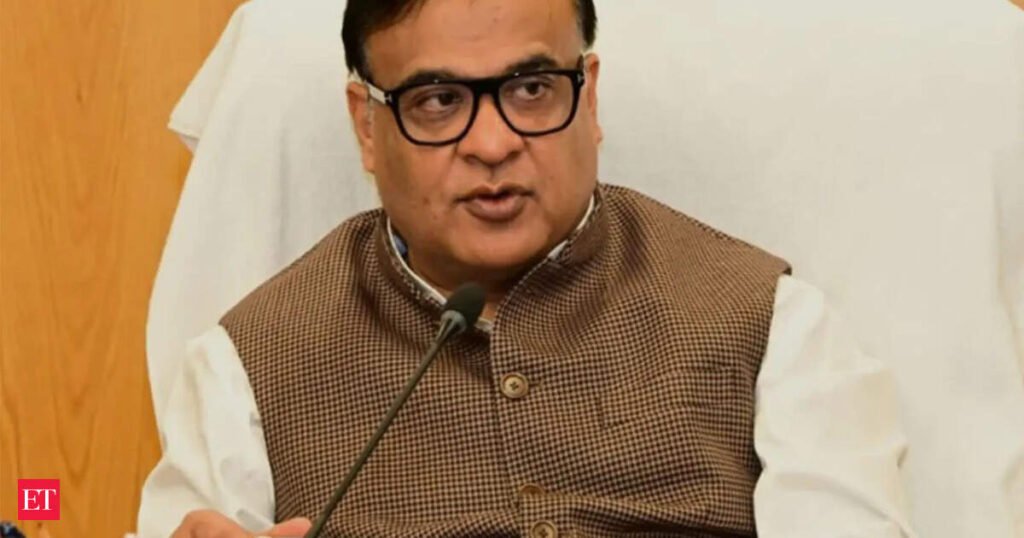
State targets higher milk production, stronger cooperatives and expanded processing capacity
Guwahati: Assam Chief Minister Himanta Biswa Sarma has reviewed the state’s dairy sector and directed officials to take focused measures to increase milk production, expand dairy cooperatives, improve processing infrastructure and strengthen the overall dairy value chain.
The review examined Assam’s current milk availability, production levels, demand and district-wise milk base. Officials also presented the status of Dairy Cooperative Societies (DCS), highlighting the gap between organised and registered societies.
Assam Produces 33.53 Lakh Litres of Milk Daily
According to officials, Assam currently produces 33.53 lakh litres of milk per day, with annual milk production estimated at 12,240 lakh litres.
The state has 2,006 organised Dairy Cooperative Societies, but only 1,032 are registered, highlighting significant scope for expanding formal cooperative participation.
| Key Dairy Indicator | Current Status |
|---|---|
| Daily milk production | 33.53 lakh litres |
| Annual milk production | 12,240 lakh litres |
| Organised Dairy Cooperative Societies | 2,006 |
| Registered DCS | 1,032 |
| Existing processing capacity | 4.95 lakh litres/day |
| Additional upcoming capacity | 4.20 lakh litres/day |
The meeting also reviewed implementation of the ₹5 subsidy scheme, including its coverage, the DCS registration portal and gaps in beneficiary coverage.
Processing Capacity Set for Major Expansion
Assam currently has milk processing capacity of 4.95 lakh litres per day. Another 4.20 lakh litres per day of capacity is under development, potentially taking total capacity to about 9.15 lakh litres per day once the projects become operational.
Upcoming processing projects are planned at Bajali, Kaliapani in Jorhat, Lahowal in Dibrugarh, Rangajan Gaon in Dhemaji, Jamugurihat in Sonitpur and Rani in Kamrup.
The expansion is expected to improve the state’s ability to collect, process and market milk while creating stronger linkages between farmers and organised dairy markets.
Focus on Cooperative Expansion and Milk Procurement
Sarma called for a coordinated strategy involving the Veterinary Department, Cooperative Department, milk processors and dairy farmers. A day-long brainstorming session will be organised to identify gaps and develop measures for improving the dairy ecosystem.
Key areas of discussion will include the redesign of the subsidy framework, identification of high milk-producing regions, promotion of traditional milk production pockets and evaluation of a hub-and-spoke model for milk collection and processing.
The Chief Minister also directed officials to establish Dairy Cooperative Societies in every village, which could significantly expand organised milk procurement and improve market access for small dairy farmers.
Women and Lakhimi Breed to Receive Greater Attention
Sarma placed particular emphasis on the conservation and promotion of the Lakhimi breed and called for targeted efforts through women-led Dairy Cooperative Societies.
Greater participation of women in dairy cooperatives could help strengthen grassroots milk collection, improve household-level dairy incomes and broaden the reach of organised dairy infrastructure.
Livestock Survey to Support Evidence-Based Planning
The Chief Minister also directed the immediate filling of vacant positions in the Directorate of Dairy Development through direct recruitment and promotion.
In addition, a comprehensive livestock survey will be conducted to generate data for evidence-based planning and targeted interventions across the state.
Assam Targets a Stronger Dairy Value Chain
The five-year roadmap places emphasis on improving milk production, procurement, processing and cooperative participation simultaneously. By expanding processing infrastructure while strengthening village-level collection networks, Assam aims to create a more integrated dairy value chain.
The initiatives could provide dairy farmers with improved access to organised markets while helping the state increase processing and reduce gaps between milk production and formal dairy infrastructure.
With higher production, new processing facilities, broader cooperative coverage and greater participation from women, Assam is positioning the dairy sector as an important avenue for rural economic development and sustainable farmer opportunities.