


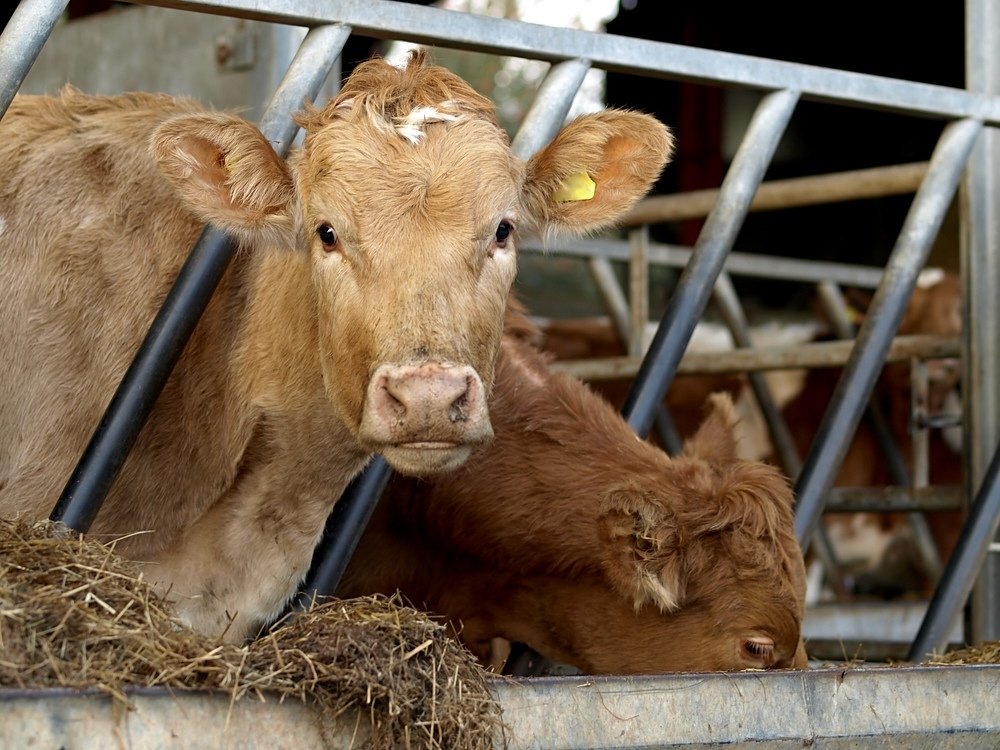
Young Belgian Farmers Turn to Soil Health and Jersey Cows to Reduce External Inputs
A fifth-generation dairy farm in Belgium is demonstrating how soil-focused and circular farming practices can help build a more resilient and sustainable future for dairy production.
Located in Geel, Antwerp Province, the Milk & More dairy farm, operated by Sofie Lietaer and Sander Soetemans, is increasingly relying on crop rotation, homegrown forage production, and Jersey genetics to reduce dependence on external inputs while improving long-term farm sustainability.
Building Dairy Resilience from the Ground Up
At the heart of the farm’s strategy is a strong emphasis on soil health.
The farm grows a diversified range of crops, including:
- 🌱 Grass
- 🌽 Maize
- 🥕 Fodder beets
- 🌾 Grain crops
Nutrients are recycled within the farming system, with manure from the dairy herd returned to the same fields, creating a more circular and self-sufficient production model.
“We believe that the future of our company starts with healthy soil. The better the soil functions, the better crops grow, the more of our own feed we can produce, and the less dependent we become on external inputs,” said Lietaer and Soetemans.
Fodder Beets Play a Strategic Role
Among the crops grown, fodder beets have become particularly important due to their:
- ✅ High feed quality
- 🌿 Efficient nitrogen utilisation
- 🌍 Potential to reduce fertiliser requirements
- 🐄 Contribution to diversified crop rotations
The inclusion of fodder beets helps improve nutrient cycling and supports greater resilience against climatic and market uncertainties.
Industry experts increasingly view diversified crop rotations as an important tool for improving soil structure, increasing organic matter, and enhancing water retention capacity.
Jersey Cows Support a Lower-Input Production System
Another key component of the farm’s strategy is the growing use of Jersey cows, which now account for approximately one-third of the herd.
Jerseys are well known for:
- 🥛 Higher butterfat and protein levels
- 🌱 Better feed conversion efficiency
- 📉 Lower maintenance requirements compared to larger breeds
- ♻️ Suitability for lower-input production systems
By combining high milk solids with efficient feed utilisation, Jersey genetics align closely with the farm’s objective of maximising value from homegrown feed resources.
Collaboration and Innovation Drive Progress
The farm is also working closely with Hooibeekhoeve, a practical dairy research and training centre in Antwerp Province, to evaluate new farming techniques and measure their impact.
This collaboration allows the farmers to continuously refine management practices while generating insights that may benefit the broader dairy sector.
According to Katrien Geudens, forage crop researcher at Hooibeekhoeve:
“Healthy soil is the foundation of a productive and resilient agricultural system.”
A Growing Trend in Sustainable Dairy Farming
The Milk & More approach reflects broader changes occurring across the global dairy industry.
Rising input costs, environmental regulations, and increasing climate variability are encouraging dairy farmers to adopt systems that prioritise:
- 🌍 Resource efficiency
- ♻️ Circular nutrient management
- 🌱 Soil regeneration
- 📉 Reduced dependence on purchased inputs
- 🐄 Improved herd efficiency
As sustainability increasingly becomes a central focus for the dairy industry, farms that successfully integrate soil health, diversified cropping systems, and efficient livestock genetics may be better positioned to remain profitable and resilient in the years ahead.
The Belgian example highlights how long-term investments in soil and farm ecosystems can simultaneously support productivity, environmental stewardship, and economic sustainability.