


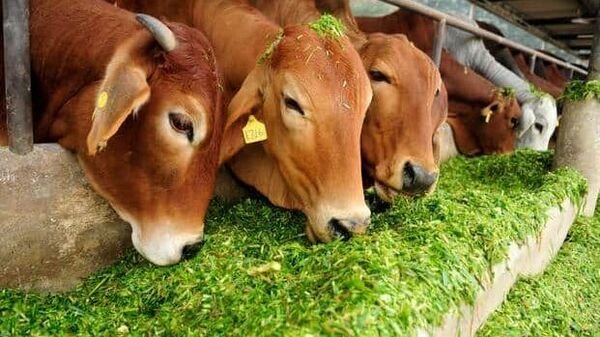
Raising replacement heifers is one of the most significant investments in dairy farming, with the estimated cost of developing an animal to the point of entering the milking herd ranging from $2,700 to $3,500. However, the financial value of a replacement heifer extends beyond the expenses incurred during her development. Her genetic potential, growth, health and future milk production all influence the long-term profitability of a dairy operation.
Dr. Mike Overton, veterinarian and industry lead with Zoetis Precision Animal Health, emphasises that dairy producers should view replacement heifers as an opportunity to improve herd quality rather than simply another operating expense. A well-managed replacement programme can strengthen production performance, improve herd genetics and give farmers greater flexibility when making culling decisions.
According to Overton, the central challenge is finding the right balance between controlling rearing costs and ensuring that heifers are developed to achieve their full productive potential.
Genetic Progress Increases the Value of Replacement Heifers
Genetic improvement is an important factor in determining the long-term value of dairy replacements. Data from the Council on Dairy Cattle Breeding, presented by Overton, indicates that US dairy cattle recorded average annual genetic gains of $81 in Net Merit between 2016 and 2024.
During the same period, average annual improvements included 118 pounds of milk, 9 pounds of fat and 5 pounds of protein.
These improvements demonstrate how replacement heifers can contribute to the gradual enhancement of a dairy herd. Animals with stronger genetic potential can improve production performance and allow farmers to become more selective when deciding which existing cows should remain in the milking herd.
Higher-quality replacements also provide greater flexibility to remove cows that consistently underperform without compromising the farm’s future milk production capacity.
However, achieving these benefits requires producers to maintain an adequate supply of replacement animals. An insufficient number of heifers can restrict culling decisions, while a well-planned replacement programme allows farmers to retain genetically superior animals and improve overall herd performance.
Understanding the Actual Cost of Raising Heifers
Overton estimates that developing a replacement heifer costs between $2,700 and $3,500, depending partly on the value assigned to the calf at birth.
An important component of this calculation is opportunity cost. A calf retained for replacement purposes represents potential income that a dairy farmer gives up by not selling the animal. Alternatively, the farmer could breed the dam to beef genetics and sell the resulting crossbred calf.
Ignoring this initial value can result in an incomplete assessment of the actual investment required to develop a replacement.
The economics also change when a farm has additional housing capacity, equipment and infrastructure. Existing facilities may already be covering most fixed costs, meaning that raising a few additional heifers does not necessarily require a proportionate increase in expenditure.
Overton estimates that additional heifers raised using existing capacity could cost approximately $700 less per animal than the average rearing cost.
However, this advantage depends on available space, labour and management capacity. Overcrowding, inadequate nutrition or compromised animal welfare can eliminate potential savings and negatively affect future productivity.
Another important consideration is the net replacement cost, calculated by subtracting the value received from selling a culled cow from the cost of raising or purchasing her replacement. Strong beef cattle market values can help offset the expense of replacement animals, making the overall financial calculation more favourable.
Why Lower Rearing Costs Can Reduce Future Returns
Reducing feed, housing and management expenses may appear attractive, but excessive cost-cutting can affect heifer growth and subsequent milk production.
Overton compared two heifer development scenarios in a model. The lower-cost approach saved $136 per animal but resulted in heifers weighing approximately 100 pounds less at first calving. The model also projected a three-percentage-point reduction in the number of animals returning to the herd.
Furthermore, these heifers were expected to produce at least 1,000 pounds less milk during their first lactation, with the production difference continuing into the second lactation.
Across an expected productive lifespan of approximately 2.5 to three lactations, the lower-cost animals were projected to generate around $90 less annual income over cost per cow.
The comparison highlights why the lowest rearing cost does not necessarily translate into the highest profitability. Savings achieved during the development stage can be outweighed by reduced production, poorer performance and lower retention rates after animals enter the milking herd.
Contract Heifer Raising Requires Careful Evaluation
Outsourcing heifer development to specialised contract growers is another option for dairy producers. Commercial heifer-raising operations may achieve efficiencies in labour, feeding and infrastructure that individual dairy farms find difficult to replicate.
However, the financial structure of the agreement can influence the quality of animals delivered.
A fixed daily payment arrangement may encourage growers to control feed and operating expenses closely. If the payment rate is insufficient, it may limit their ability to provide the nutrition and management required to meet specific growth targets.
Cost-plus or performance-based contracts can offer greater flexibility by linking payments to animal development, health and performance standards.
Overton cautions producers against assuming that raising heifers on their own farms will always be cheaper than using specialised growers. Contract arrangements should clearly define growth expectations, feeding standards, health monitoring, mortality reporting and management responsibilities.
The objective should be to receive healthy, properly developed replacement animals rather than simply securing the lowest daily rearing rate.
Maintaining Flexibility in Herd Replacement Decisions
Having an adequate number of replacement heifers also allows dairy farmers to make more selective breeding and culling decisions. Producers can retain their most desirable animals while marketing less suitable heifers, including some as springers.
Overton believes that maintaining a few additional replacements can provide long-term benefits, even if it means sacrificing some short-term income from selling beef-cross calves.
Farmers can also use herd performance records to identify cows that should be considered for replacement. Indicators such as production before dry-off, average daily milk output during the final 30 days of lactation and milk production around 150–200 days in milk can help assess whether an animal remains economically productive.
These records allow producers to evaluate whether their replacement programme is delivering the expected returns and whether certain cows are being retained beyond their most productive years.
Protecting the Investment in Dairy Herd Development
Ultimately, the profitability of a replacement heifer programme depends on more than the initial cost of raising an animal. Facilities, feed availability, labour, genetics, health management and herd replacement requirements all influence the final economic outcome.
Producers should focus on improving efficiency without compromising animal growth, nutrition, health or welfare. Investments in quality feed, appropriate housing and effective management can help heifers enter the milking herd in better condition and achieve stronger production performance.
The broader lesson is that replacement heifers should be evaluated as long-term productive assets. By balancing rearing expenses with genetic quality and future milk production, dairy farmers can build more productive herds and improve the financial sustainability of their operations.