


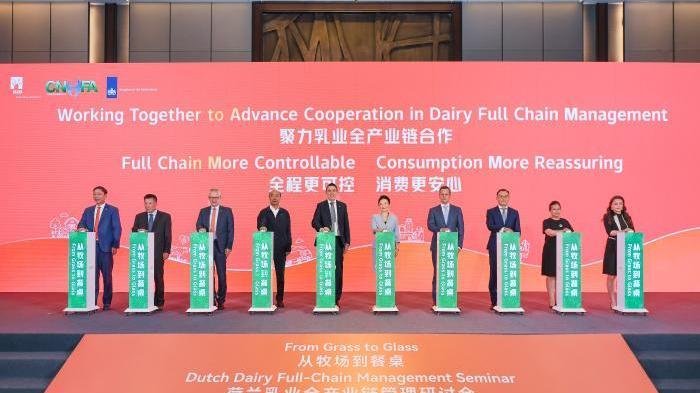
Integrated quality-control systems used across the Dutch dairy industry are offering a potential model for Asian dairy markets seeking to strengthen food safety, traceability and manufacturing efficiency. The Netherlands has developed a multi-layered quality management framework that combines regulatory oversight, industry organizations and independent laboratory testing across the dairy supply chain.
These systems cover multiple stages of production, from raw milk collection and farm-level management to processing, packaging and distribution. According to the information provided, quality-control mechanisms oversee approximately 98% of the milk volume collected in the Netherlands.
For Asian dairy manufacturers, the Dutch approach provides an example of how coordinated monitoring can help manage increasingly complex production systems while supporting international food safety requirements.
Integrated Quality Control Across the Dairy Chain
Modern dairy manufacturing involves numerous interconnected stages. Milk moves from farms and collection centres into processing facilities, where it may undergo pasteurization, concentration, fermentation or spray drying before being packaged and distributed.
Each stage presents potential operational and food-safety risks. Feed and silage management at the farm level can influence raw milk quality, while transportation and cold-chain systems must maintain appropriate conditions before processing.
At industrial facilities, processing equipment, storage systems and packaging operations introduce additional control points.
A coordinated quality-management architecture can therefore provide greater oversight than isolated testing at individual stages. By connecting regulatory requirements with industry standards and independent laboratory verification, processors can identify potential risks earlier in the supply chain.
Importance of Risk Management in Specialized Dairy Products
The need for comprehensive quality systems becomes particularly important as dairy companies expand beyond conventional products into specialized formulations and clinical nutrition.
Infant nutrition products, for example, require strict control over raw materials, processing conditions and finished-product specifications. Production systems must be capable of identifying contaminants and deviations before products reach consumers.
Complex dairy supply chains also increase the importance of traceability. Data collected from farms, milk collection systems, processing plants and laboratories can help companies identify the source of quality issues and respond more efficiently when problems arise.
Standardized risk-mitigation frameworks can consequently help manufacturers scale production while maintaining consistent safety and quality standards.
Cooperative Structures Support Large-Scale Monitoring
The European dairy cooperative model demonstrates how structured quality protocols can be applied across large networks of milk suppliers.
Large dairy processing cooperatives operating across northern Europe can integrate thousands of individual farms into centralized quality-management systems. Such structures provide processors with mechanisms to establish common standards across a geographically distributed producer base.
According to the information provided, premium infant nutrition products can undergo more than 3,000 analytical screenings throughout the farm-to-factory supply chain. More than 2,000 diagnostic tests may also be completed before industrial production begins.
Such intensive testing is designed to provide multiple layers of assurance before products enter highly regulated and competitive markets.
Lessons for Asian Dairy Manufacturers
Asian dairy markets are expanding rapidly, while consumers and regulators are placing greater emphasis on food safety, traceability and product consistency. The Dutch experience provides several areas that could be considered when developing modern quality-management systems.
| Quality Area | Potential Industry Benefit |
|---|---|
| Farm-level monitoring | Improved raw milk quality |
| Feed and silage controls | Reduced contamination risks |
| Cold-chain monitoring | Better preservation during transportation |
| Independent laboratory testing | Additional quality verification |
| Digital traceability | Faster identification of supply-chain issues |
| Standardized testing protocols | Consistent product quality |
| Risk-based monitoring | More efficient quality management |
| Pre-production testing | Greater control over specialized products |
The approach is particularly relevant for manufacturers producing milk powders, infant nutrition products, clinical nutrition and other specialized dairy formulations.
Strengthening International Competitiveness
As dairy trade becomes increasingly global, manufacturers must satisfy not only domestic regulations but also the quality expectations of international buyers and consumers.
A robust quality-control architecture can help companies demonstrate compliance, protect brand reputation and reduce the risks associated with product recalls or contamination incidents.
For Asian dairy producers, adapting elements of established European systems could support the modernization of domestic manufacturing. However, implementation would need to account for differences in farm structures, production practices, regulatory frameworks and supply-chain infrastructure across individual markets.
Building More Reliable Dairy Supply Chains
The Dutch model demonstrates that dairy quality cannot be managed effectively through testing at only one point in the production process. Instead, quality assurance can be strengthened by combining farm-level controls, industrial monitoring, regulatory supervision and independent laboratory verification.
As Asian dairy companies expand their production capacity and develop higher-value products, integrated quality-management systems could become increasingly important.
The experience of the Dutch dairy industry therefore offers a potential framework for building more traceable, consistent and internationally competitive dairy supply chains, particularly as manufacturers move toward specialized nutrition and products requiring stringent safety controls.