


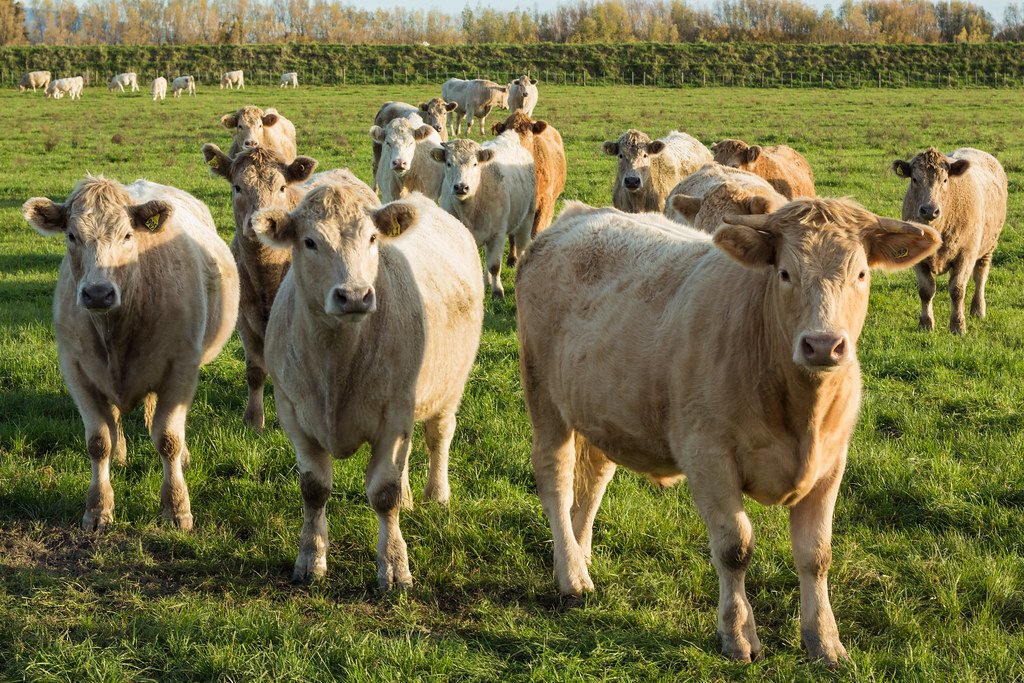
Cattle slaughter in the European Union is expected to decline in 2026 and 2027 as lower animal availability, farmer retention and worsening drought conditions put pressure on the region’s livestock sector.
According to a USDA Foreign Agricultural Service report on the European Union, official cattle slaughter declined by 3.85% during the first half of 2026. The largest absolute reductions were recorded in France, Germany, Belgium and Austria, reflecting tighter cattle supplies and farmers holding animals for longer.
If the lower slaughter rate had continued throughout the year, the EU cattle herd could have expanded for the first time in a decade. However, developments during the second half of 2026 have changed the outlook.
Drought Creates Additional Pressure
A heatwave and drought that affected parts of the EU from July 2026 are expected to reduce fodder availability through the following season. The impact is particularly significant in Hungary and France, where extreme heat events are becoming more frequent.
Lower availability and quality of fodder could create additional challenges for livestock producers. The USDA report also highlights an increased risk of aflatoxin contamination in corn and silage, potentially affecting animal health and farm productivity.
The combination of inadequate feed supplies and poor-quality fodder could negatively affect reproductive performance, feed intake and mortality rates. As a result, farmers may be forced to bring animals to slaughter earlier than initially planned.
EU Cattle Slaughter Outlook
| Year | Cattle Slaughter Outlook |
|---|---|
| H1 2026 | Down 3.85% |
| Full-year 2026 | Forecast down about 2.5% |
| 2027 | Forecast down 0.38% |
The expected increase in slaughter during the second half of 2026 is therefore likely to be driven partly by drought-related pressures rather than stronger livestock availability.
Overall EU cattle slaughter is forecast to decline by approximately 2.5% in 2026. This would result in slightly lower cattle inventories at the end of the year.
Dairy Herd Faces Greater Pressure
The impact is expected to differ between dairy and beef cattle. Relatively low milk prices and high beef prices are likely to encourage farmers to reduce their dairy cow herds more significantly than their beef cattle herds.
For dairy producers, lower milk prices can make maintaining less productive animals increasingly difficult, particularly when feed costs and availability become additional concerns.
A reduction in the overall cow herd could also affect the supply of young cattle in 2027. Fewer breeding cows generally mean fewer calves and young animals entering the market, potentially tightening supplies further.
At the same time, stronger economic incentives to rebuild the beef cattle herd could encourage producers to retain more beef animals. This is expected to contribute to a smaller decline in slaughter volumes in 2027.
2027 Outlook
Based on the expected reduction in animal supplies and the growing incentive to expand beef cattle numbers, EU cattle slaughter is forecast to decline by around 0.38% in 2027.
The relatively modest decline compared with 2026 suggests that the market could begin adjusting to the effects of lower cattle numbers and changing producer incentives. However, weather conditions, feed availability, milk prices and beef prices will remain important factors.
The latest outlook highlights the increasing influence of climate conditions on Europe’s livestock sector. Drought and extreme heat can affect not only pasture and feed availability but also animal productivity and farmers’ decisions regarding herd management.
For the EU cattle industry, 2026 is therefore likely to be a year of contrasting pressures: tighter cattle supplies and lower slaughter levels at the start of the year, followed by drought-driven pressure to accelerate slaughter in the second half. The resulting reduction in breeding animals could keep cattle supplies under pressure into 2027.