


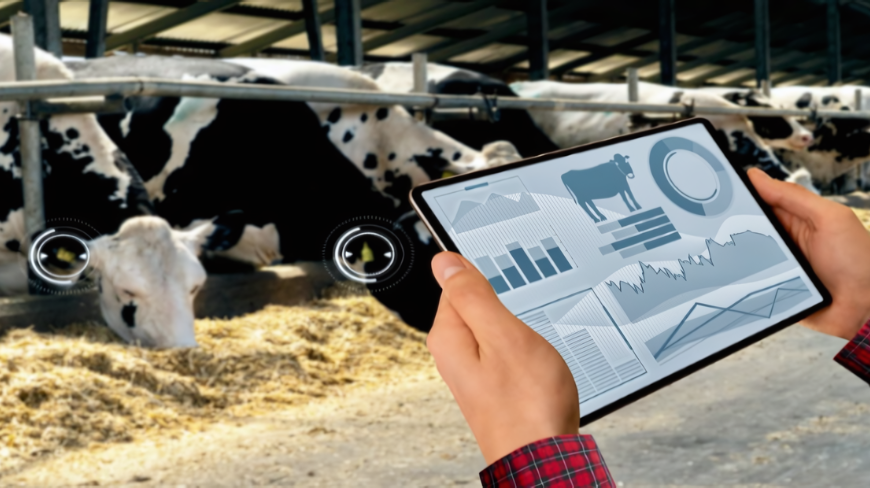
EuroTier 2026 is set to bring together the global livestock industry in Hanover, Germany, from November 10 to 13, with artificial intelligence, robotics, sensors and integrated farm management systems expected to take centre stage. Held under the guiding theme “Intelligence in Animal Farming,” the international trade fair will focus on technologies that can help livestock producers improve productivity while maintaining animal health, welfare and environmental performance.
Around 2,100 exhibitors from 55 countries are expected to participate in the exhibition, which will occupy 13 halls. The event will provide a platform for farmers, technology providers, researchers and industry professionals to examine how digitalisation and automation are changing modern livestock production.
Technology to Support Better Farm Management
A key discussion at EuroTier 2026 will be the role of technology in helping farmers make faster and better management decisions. Modern livestock farms can use sensors, cameras and artificial intelligence-based monitoring systems to track animal activity, feed intake and behavioural changes.
Nicola Bock, DLG Project Manager for dairy and cattle production, noted that farmers cannot continuously monitor their animals around the clock. Digital monitoring can therefore help identify changes at an early stage. However, technology itself is not considered the solution. Its value depends on how effectively farmers use the information generated by these systems to improve management decisions.
In dairy farming, integrated digital systems can bring together data on milk production, milk quality, body weight, age, health status and feeding behaviour. Analysing this information can help identify deviations before visible symptoms of disease or productivity problems become apparent.
Productivity, Sustainability and Animal Welfare
EuroTier 2026 will also address the relationship between higher productivity and sustainable livestock production. According to the organisers, sustainable growth should not simply depend on increasing production inputs. Instead, improvements in feeding, housing, veterinary control and herd management can contribute to better farm performance.
Healthy, productive animals can also improve resource-use efficiency. When a cow produces more milk while maintaining good health, fixed feed and energy requirements are distributed over a greater volume of production. This can potentially reduce resource consumption and greenhouse-gas emissions per kilogram of milk.
However, the organisers emphasise that improving milk production should not simply involve increasing the proportion of concentrates in cattle diets. Forage quality, feed ingredients, ration consistency and feeding management remain important factors in achieving sustainable results.
Automation Across Dairy Farms
Automation will form another major focus of the exhibition. Technologies for automated milking, feeding, manure handling and barn cleaning can undertake repetitive tasks while collecting valuable information about animals and production.
By reducing the amount of manual labour required for routine activities, automated systems can allow farm employees to spend more time observing animals and responding to management needs.
The economic benefits of automation, however, can vary significantly between farms. Investments may require suitable infrastructure, building modifications and appropriate farm layouts. Herd size, production systems and available resources will therefore influence whether a particular technology is economically viable.
Integration of Digital Technologies
DLG highlights the importance of integrating different technologies rather than relying on individual devices. Sensors, cameras, robots and farm management software can work together to provide real-time information and support more proactive decision-making.
This approach could allow farmers to move beyond analysing historical farm data towards identifying emerging health, feeding and productivity issues at an earlier stage.
EuroTier 2026 will also feature the Barn Robot Event, where visitors can explore automated milking technologies and their applications in farm renovation, new barn construction and the management of large dairy herds.
With digitalisation, automation and sustainability becoming increasingly important to livestock producers, EuroTier 2026 is expected to provide a significant platform for examining how technology can support the next generation of efficient, healthy and sustainable livestock farming.