


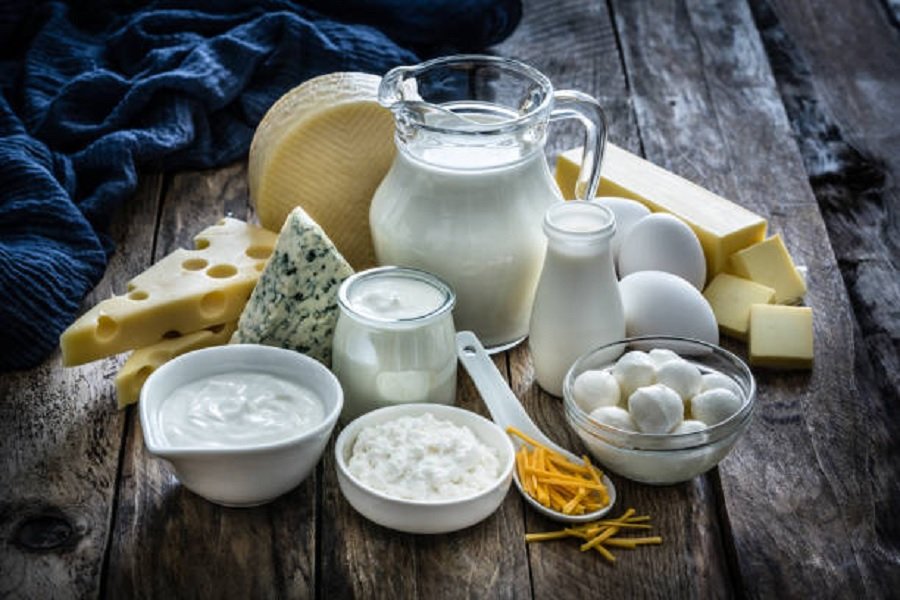
Finland’s dairy and soy food market is expected to remain a mature, high-value sector through 2035, with growth increasingly driven by premium products, protein-focused nutrition and plant-based alternatives. Conventional dairy is expected to expand at a relatively modest pace, while soy-derived ingredients and plant-based dairy alternatives are projected to grow faster from a smaller base.
The market combines Finland’s strong domestic dairy industry with an increasingly important plant-based segment. Fresh dairy products, including fluid milk, fermented milk, yogurt and cheese, remain central to consumer demand. Meanwhile, soy and other plant-based products are gaining traction among younger consumers and those seeking lactose-free, protein-rich or environmentally positioned alternatives.
Dairy Remains the Market Foundation
Finland has a well-established dairy production base and is broadly self-sufficient in fluid milk and most basic dairy products. Domestic dairy processors benefit from strong consumer recognition around origin, quality, traceability and animal welfare.
The market is also supported by a significant processing industry producing products such as butter, cheese, milk powders and specialized dairy ingredients. However, demographic conditions are limiting volume growth. Finland’s aging population and relatively slow population growth mean that future expansion is expected to come primarily from premiumization and higher-value products rather than substantially higher dairy consumption.
High-protein dairy, lactose-free products and functional dairy ingredients are among the segments benefiting from changing consumer preferences. Protein-focused nutrition is particularly relevant to sports nutrition and clinical applications.
Plant-Based and Soy Categories Expand
Soy food and plant-based dairy alternatives remain smaller than conventional dairy but are expected to record faster growth through 2035. Soy-derived ingredients are used across plant-based beverages, dairy alternatives, sports nutrition, snacks and processed foods.
Demand is being supported by growing interest in protein, gut health, lactose-free products and sustainability. However, Finland has limited domestic soybean production suitable for food applications. As a result, manufacturers depend heavily on imported soybeans and soy protein concentrates and isolates.
This creates a different supply structure from dairy. While domestic milk production provides a relatively secure foundation for Finnish dairy processors, soy ingredients remain exposed to global commodity prices, freight costs, currency movements and international sourcing conditions.
Retail Concentration Influences Competition
Finland’s grocery market is highly concentrated, with S Group and K Group accounting for the majority of food retail sales. Their scale gives them considerable influence over product listings, private-label development, shelf space and promotional pricing.
For dairy and soy suppliers, securing retail distribution is therefore an important commercial challenge. Private-label products can also increase price competition and place pressure on branded manufacturers.
Beyond retail, foodservice, institutional catering and industrial food manufacturers provide additional demand. Schools, hospitals and workplaces are increasingly relevant channels as sustainability and nutritional requirements become more prominent in procurement decisions.
Costs Remain a Major Challenge
Finnish dairy production operates with relatively high costs associated with energy, feed, labor, transportation and cold-chain logistics. The country’s geographic characteristics and dispersed population can increase transportation expenses, while the relatively small domestic milk pool means fixed processing costs must be spread across limited volumes.
Soy ingredients face a different cost structure. International soybean prices, freight rates, currency fluctuations and premiums for non-GMO or certified-sustainable sourcing can influence procurement costs.
These pressures can make Finnish products less competitive in price-sensitive markets. Consequently, producers are increasingly reliant on premium products, differentiated ingredients and specialty exports to protect margins.
Outlook Through 2035
The market outlook points toward continued but measured expansion. Conventional dairy is expected to record approximately 1–3% annual growth, while plant-based dairy alternatives and soy-derived ingredients are projected to grow at around 6–9% annually from a smaller base.
| Segment | Expected Growth Trend | Key Drivers |
|---|---|---|
| Conventional dairy | 1–3% annually | Premiumization, protein, lactose-free products |
| Plant-based dairy alternatives | 6–9% annually | Sustainability, younger consumers, lactose-free demand |
| Soy-derived ingredients | 6–9% annually | Protein enrichment, sports nutrition, food manufacturing |
| Specialty dairy ingredients | Faster than commodity dairy | Functional nutrition and exports |
Overall, Finland’s dairy and soy food industry is likely to remain dairy-led while gradually becoming more diversified. Opportunities are expected to be strongest in high-protein dairy, lactose-free products, functional ingredients, plant-based beverages and specialty protein applications. Suppliers combining quality, certification, reliable sourcing and product-development capabilities could benefit as the market shifts from volume-driven growth toward value-added consumption.