


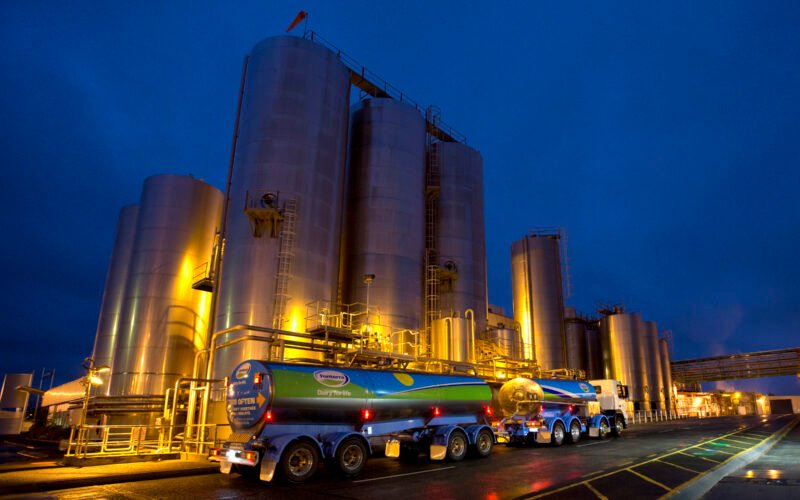
New Zealand’s organic dairy sector is experiencing a significant shift as strong international demand for pasture-based and certified organic dairy ingredients supports historically high farmgate returns. Fonterra’s established organic milk supply network, combined with growing demand from overseas food manufacturers, is creating new opportunities for certified dairy farmers while encouraging the cooperative to expand its organic processing footprint.
The cooperative’s organic dairy operations are supported by more than 100 fully certified organic farms across New Zealand’s North Island. Fonterra has maintained a dedicated commercial organics division since 2002, developing specialized collection, processing and traceability systems to protect the integrity of organic milk throughout the supply chain.
Organic dairy production requires strict separation from conventional milk. Dedicated tanker routes, processing schedules, clean-down procedures and certified handling protocols are used to ensure that organic milk maintains its certification status. Farmers supplying the program must also comply with regulations governing farm inputs, pasture management and animal welfare, including restrictions on synthetic fertilizers and chemical products.
With manufacturing facilities across the North Island operating close to full seasonal capacity, Fonterra is focusing on improving daily milk intake and logistics efficiency. Better coordination of collection routes and processing schedules is becoming increasingly important as the cooperative responds to higher demand from international customers.
International demand drives premium prices
Strong offshore demand is a key factor behind the premium being paid for organic milk. Consumers in Asia, Europe and North America are increasingly interested in products carrying verified sustainability, pasture-fed and clean-label credentials.
These preferences are particularly important for specialized dairy ingredients. Organic milk powders and organic anhydrous milk fat are used in premium food products, including infant formula and pediatric nutrition applications. New Zealand’s reputation for pasture-based dairy production further strengthens the appeal of these ingredients among international manufacturers.
The growing price difference between organic and conventional milk is increasingly being viewed as a structural market development rather than a temporary price movement. Strong demand for traceable and sustainably produced ingredients provides organic farmers with an additional source of income and helps reduce their exposure to volatility in global commodity markets.
South Island expansion planned
To meet increasing overseas orders, Fonterra is also preparing to expand its organic milk supply network geographically. The cooperative plans to recruit and transition additional dairy farms in the South Island, with specialized organic manufacturing operations expected to begin processing milk there during the 2028–2029 season.
The expansion will require investment in dedicated storage facilities, separate receiving infrastructure and improved collection routes. Establishing a larger organic supply base in the South Island is expected to strengthen the cooperative’s ability to serve international customers consistently.
However, bringing new farms into organic production is not an immediate process. Farmers must complete a multi-year transition and certification period before their milk can qualify as fully organic. Fonterra’s field teams are therefore expected to provide technical and agronomic support to prospective suppliers throughout the transition.
The geographic expansion could also provide greater resilience against regional weather disruptions. A broader supplier network across both islands would help reduce the impact of localized droughts and climate-related production challenges.
As international demand for organic and sustainably produced dairy ingredients continues to develop, Fonterra’s strategy combines premium farmgate pricing with investment in supply-chain capacity. The planned South Island expansion could become an important step in building a larger and more resilient organic dairy platform for global markets.