


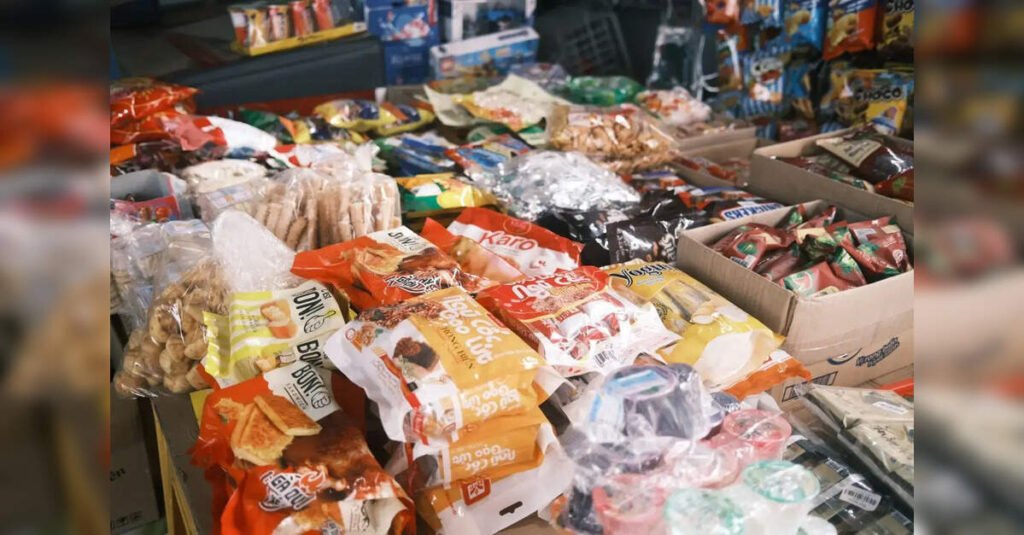
Alleged contamination findings involving milk, cattle feed and biscuits highlight the importance of stricter quality controls, ingredient traceability and regulatory compliance across India’s food industry.
India’s food safety framework has come under renewed scrutiny following reported enforcement action by the Food Safety and Standards Authority of India (FSSAI) against multiple food businesses over alleged contamination and ingredient-integrity concerns. The cases reportedly involve Surya Food and Agro, Dodla Dairy and UEIR Organic Foods, with findings ranging from detergent in milk to cattle feed in biscuits.
The developments have renewed concerns about quality assurance across the food supply chain, particularly in the dairy sector, where milk’s perishable nature and widespread consumption make contamination a significant public health concern.
Dairy Safety and Contamination Concerns
According to reports published by The Week and Economic Times, the latest regulatory action follows findings that raised questions about the safety and integrity of certain food products. The allegations underline the importance of effective testing, hygienic handling and compliance with established food safety standards.
In the dairy industry, contamination risks can arise at several stages, including milk collection, transportation, storage and processing. Milk sourced from multiple farms is often pooled before processing, making effective supplier monitoring and representative sampling essential components of quality management.
The reported detection of detergent in a milk sample associated with Dodla Dairy has drawn particular attention to the importance of laboratory testing and regulatory oversight. Detergents and cleaning chemicals must be carefully controlled in dairy facilities to prevent accidental contamination of milk and milk products.
However, allegations and preliminary laboratory findings should be distinguished from final legal determinations. The precise circumstances, regulatory proceedings and any subsequent findings must be established through official records and statements from the relevant authorities and businesses.
Implications for India’s Dairy Industry
India has one of the world’s largest dairy sectors, supplying milk and dairy products to millions of households. Maintaining consumer confidence is therefore essential for dairy cooperatives, private processors, milk collection networks and retailers.
Food safety incidents can have consequences extending beyond the individual product or business concerned. Public concerns about contamination may affect consumer purchasing decisions, increase pressure on retailers and distributors, and lead companies to reassess their procurement and quality assurance procedures.
For dairy processors, the challenge is particularly complex because milk quality can vary according to animal health, farm hygiene, water quality, feed management, transportation conditions and the time elapsed before processing.
Companies need robust systems that identify potential hazards early and maintain records throughout the supply chain. These measures can help businesses investigate complaints, trace affected batches and take corrective action when required.
Packaged Food Findings Highlight Wider Compliance Risks
The reported enforcement action also extends to packaged food products, including biscuits. Allegations involving cattle feed in biscuits raise concerns about ingredient authenticity, manufacturing controls and the effectiveness of supply-chain verification.
Although dairy and packaged food manufacturing involve different production processes, both depend on reliable suppliers, validated testing procedures and documented quality controls.
Food manufacturers must ensure that raw materials meet specified standards before entering production. Supplier audits, risk-based sampling, laboratory analysis and appropriate segregation of ingredients can help reduce the likelihood of contamination or substitution.
The cases also demonstrate why food safety management must extend beyond final-product testing. Effective prevention requires controls at every stage, from sourcing and transportation to processing, packaging and distribution.
Stronger Traceability and Quality Assurance
The reported crackdown highlights several priorities for food businesses operating in India:
- Raw material verification: Establish clear specifications and check incoming milk and ingredients for quality and safety.
- Laboratory testing: Conduct appropriate tests at defined stages of procurement and production.
- Supplier monitoring: Audit farms, collection centres, ingredient vendors and other supply-chain partners.
- Plant hygiene: Maintain sanitation procedures and prevent cleaning chemicals from contaminating food.
- Batch traceability: Preserve records that allow businesses to identify and isolate affected products quickly.
- Regulatory compliance: Maintain documentation and respond promptly to inspections, sampling and corrective-action requirements.
For dairy businesses, these measures should be supported by hygienic milking practices, suitable storage temperatures, cold-chain management and regular inspection of processing equipment.
Consumer Trust and Industry Accountability
Food safety is increasingly important to brand reputation, especially as consumers become more attentive to product quality, transparency and manufacturing standards. Allegations of contamination can create reputational risks even before investigations are concluded.
Businesses that maintain transparent quality systems and demonstrate effective corrective action are better positioned to protect consumer confidence and strengthen relationships with retailers and institutional buyers.
For regulators, consistent enforcement and transparent communication can help improve accountability while ensuring that investigations are based on reliable evidence and due process.
Outlook for the Food and Dairy Sector
The latest reported cases reinforce the need for continuous vigilance across India’s food industry. For dairy processors, the priority remains ensuring milk safety from farm-level collection through final distribution. Packaged food manufacturers must similarly verify ingredient integrity and maintain effective production controls.
As regulatory scrutiny continues, investments in testing, traceability, supplier management and preventive food safety systems will remain central to sustainable business operations.
Ultimately, protecting consumers requires coordinated action from regulators, manufacturers, dairy farmers, suppliers and distributors. Stronger controls can help reduce contamination risks, preserve confidence in India’s dairy supply chain and support the long-term credibility of the wider food processing industry.