


“The greatness of a nation and its moral progress can be judged by the way its animals are treated.”
— Mahatma Gandhi
In rural Ghana, this quote resonates not only as a call for compassion but as an economic imperative. Recent data and field reports reveal a deepening crisis in animal welfare that is quietly undercutting national productivity, worsening rural poverty, and threatening food security—especially among vulnerable smallholder farmers.
According to the Ghana Statistical Service, the livestock sector contributed approximately GH¢5.4 billion (US$348.4 million) to GDP in 2024, making up 13% of agriculture’s share. However, beneath these numbers lies a troubling paradox: a sector of national importance built on fragile foundations of poor animal care, insufficient veterinary services, and systemic neglect—especially in rural communities.
A Systemic Gap in Livestock Management
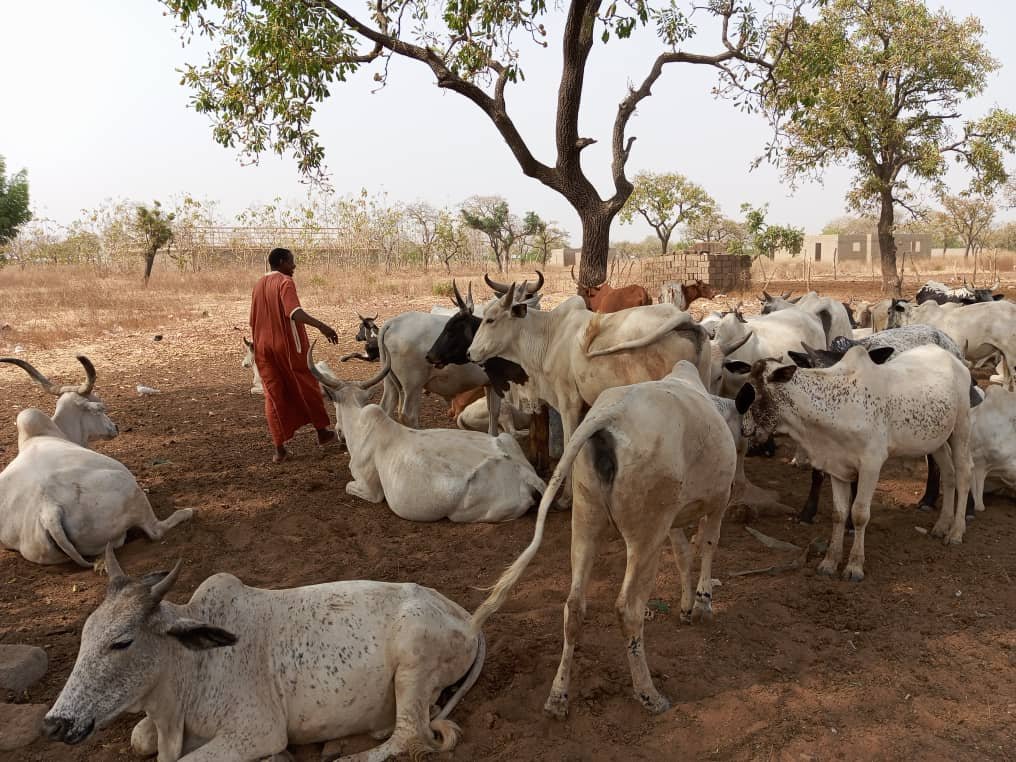
From Gushegu to Tamale, farmers and traders recount losses due to disease outbreaks, theft, inadequate housing, and transportation stress. Animals are often left to graze unsupervised, receive irregular feeding, and lack access to basic veterinary care. In many cases, livestock are treated as communal property—without clear accountability until they are lost or stolen.
Mohammed Alhassan, a livestock trader at the Nagbagu Livestock Market, shared that poor transport conditions result in animals arriving at markets stressed or injured—sometimes dead—lowering their sale value. Similarly, butchers at Tamale’s Aboabo Market raised concerns about the direct impact of animal stress and disease on meat quality, which ultimately affects consumer health and trader income.
Welfare Neglect Deepens Rural Poverty
Over 66% of Ghana’s poor households are engaged in livestock farming, according to the Ghana Living Standards Survey. For these families, every loss in livestock health equates to a direct income shock. Stressed animals grow slower, reproduce less, yield lower-quality milk or meat, and are more vulnerable to disease—all factors that trap rural communities in poverty cycles.
This concern extends beyond animal ethics into the very structure of rural development and food systems. Poor animal welfare contributes to protein insecurity, especially for infants and children, as highlighted by UNICEF Ghana’s Nutrition Briefs. Meanwhile, Ghana’s average daily protein supply is just 67.9g per person, with animal-sourced foods contributing less than 27%.
Legal Frameworks Exist, But Enforcement Lags
Ghana’s Criminal and Other Offences Act (1960) and the more recent Animal Health and Production Act (2021) both provide legal backing for improved animal welfare. These laws prohibit cruelty, neglect, and poor husbandry practices and mandate humane treatment and disease control.
Yet, enforcement is limited, especially in underserved areas. Mr Abdul Rahman Safian, Director of the West African Centre for the Protection of Animal Welfare, attributed this lapse to widespread ignorance, weak veterinary infrastructure, and the absence of a dedicated welfare department within the Ministry of Food and Agriculture.
Expert Perspectives: The Case for Integrated Welfare Policy
Veterinary professionals argue that integrating animal welfare into national agricultural policies is essential. Mr Salifu Hafiz, Veterinary Technologist at Tamale Abattoir, noted that stressed or malnourished animals yield poor returns and compromise food safety.
Professor Mabe Nantui Franklin from the University for Development Studies (UDS) emphasised the economic potential of improved welfare: “When animals thrive, families thrive. Better welfare leads to higher productivity, and higher productivity leads to improved livelihoods.”
What Needs to Change?
Veterinary Officer Mr Baba Issah from the Tamale Metropolitan Directorate outlined a roadmap for reform:
-
Mass education campaigns through rural radio and extension services
-
Expansion of veterinary clinics and mobile services
-
Microfinance for livestock shelters and affordable feed
-
Improved rural transport infrastructure to reduce stress and mortality in transit
-
Policy-level integration of animal welfare into agricultural and poverty-alleviation programmes
He also urged stronger collaboration among the Ministry of Agriculture, local governments, NGOs and development partners to implement consistent national standards.
Conclusion: A Lesson Beyond Borders
Ghana’s livestock sector story is not just an African tale—it holds urgent relevance for other emerging economies, including India. As the Indian dairy industry eyes value-added growth and export competitiveness, the Ghanaian example highlights how neglecting basic animal welfare undermines productivity, food safety, and farmer incomes.
For India, which boasts the world’s largest dairy herd and a rapidly expanding livestock economy, ensuring sustainable dairy farming, humane treatment, and robust veterinary systems is more than a moral obligation—it is a strategic imperative for rural development and national economic strength.