


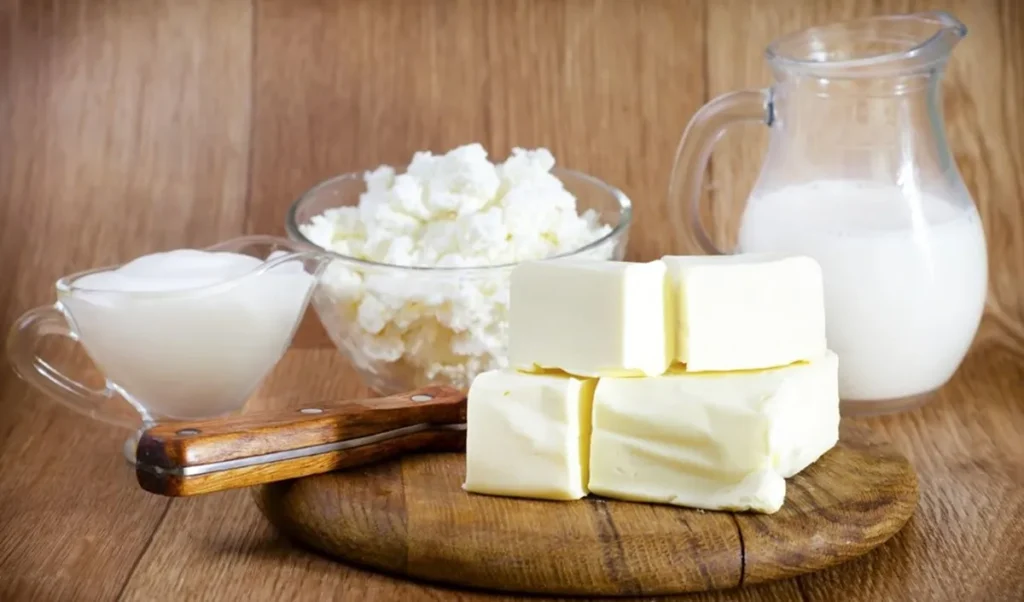
The Global Dairy Trade (GDT) market recorded an increase in dairy product prices, led by stronger values for cheese and milk powders. However, the upward movement was not reflected across all product categories, as butter and other milk fats experienced price declines.
According to a report by AgroTimes, cheddar cheese recorded the largest increase among the listed products, with prices rising by 8.6% to reach US$3,970 per tonne. Whole milk powder (WMP) also registered a significant gain, increasing by 5.9% to US$3,971 per tonne. Mozzarella prices climbed 5.8% to US$4,104 per tonne.
These gains in cheese and milk powder prices were among the key contributors to the overall increase in the GDT price index.
Milk Powder and Cheese Lead Market Gains
The positive trend extended to skimmed milk powder (SMP) and lactose. Skimmed milk powder prices increased by 3.1% to US$4,109 per tonne, while lactose rose by 3.3% to US$1,728 per tonne.
The stronger performance across these categories indicates improved pricing conditions for several major dairy ingredients and products. Cheese and milk powders remain important components of international dairy trade, making their price movements significant for exporters, processors and importing markets.
Global Dairy Product Price Movements
| Dairy Product | Price Change | Latest Price (US$/tonne) |
|---|---|---|
| Cheddar cheese | +8.6% | 3,970 |
| Whole milk powder | +5.9% | 3,971 |
| Mozzarella | +5.8% | 4,104 |
| Skimmed milk powder | +3.1% | 4,109 |
| Lactose | +3.3% | 1,728 |
| Butter | -4.7% | 4,503 |
| Dried buttermilk | -4.4% | 4,312 |
| Dehydrated milk fat | -3.2% | 5,306 |
Dairy Fat Prices Move in the Opposite Direction
While cheese and milk powder prices strengthened, the milk fats segment recorded declines. Butter experienced the sharpest fall, with prices decreasing by 4.7% to US$4,503 per tonne.
Dried buttermilk prices declined by 4.4% to US$4,312 per tonne, while dehydrated milk fat fell by 3.2% to US$5,306 per tonne.
The contrasting price movements highlight the uneven performance of the international dairy market. While stronger prices for cheese and milk powders supported the overall index, declines in butter and other dairy fats reflected different supply-and-demand conditions across product categories.
Import Demand and Export Supply to Shape Market Outlook
Further developments in international dairy prices will depend on demand from importing countries and the availability of products from major dairy-exporting nations. Changes in purchasing activity, export volumes and production levels could influence price movements across individual dairy categories.
The next Global Dairy Trade auction is scheduled for 17 November 2026, providing another indication of international dairy market conditions and the direction of prices in the coming weeks.
For dairy processors, exporters and buyers, the latest results underline the importance of monitoring individual product categories rather than relying solely on the overall market index.