


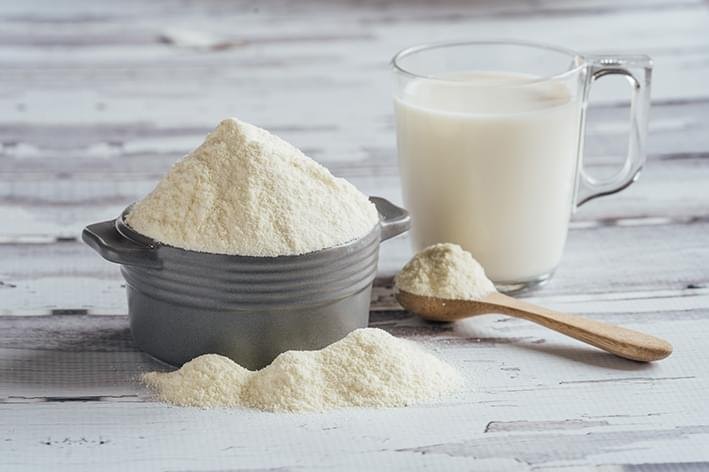
Global dairy commodity markets recorded notable gains in milk powder prices, supported by renewed buying interest from North Asian importers and continued demand from Southeast Asia and the Middle East. The latest trading results highlight changing international procurement patterns, improving returns for dairy exporters and contrasting price movements across major dairy product categories.
Whole milk powder (WMP) recorded an overall increase of 4.4%, with contracts clearing at an average of US$3,760 per metric ton. Skim milk powder (SMP) prices rose by 3.4%, extending their upward trajectory. Buttermilk powder delivered the strongest performance, gaining 8.4% as food manufacturers competed for limited spot-market supplies.
However, the positive momentum in milk powders contrasted with a sharp decline in cheese prices, reflecting changing production economics and product availability across the global dairy industry.
Milk Powders Lead Gains as Cheese Prices Face Pressure
The latest trading session demonstrated divergent performance across dairy commodity categories. Milk powders attracted stronger buying interest, while cheese prices came under pressure amid increased manufacturing volumes and surplus commercial curd stocks.
| Dairy commodity | Reported price movement | Market development |
|---|---|---|
| Whole milk powder | +4.4% | Average clearing price of US$3,760 per metric ton |
| Skim milk powder | +3.4% | Continued upward price momentum |
| Buttermilk powder | +8.4% | Strongest gain amid limited spot availability |
| Cheese | Downward pressure | Higher production and surplus curd stocks |
The increase in whole milk powder prices is particularly significant for exporting countries that depend on international demand to support farm-gate milk returns and processing revenues. Skim milk powder also continued to attract buyers, following recent pricing inversions in which protein powders traded at historic premiums over whole milk powder.
Buttermilk powder recorded the largest gain of the session, reflecting competition among commercial food formulators for available supplies. In contrast, cheese prices declined as processors increased production to capture returns from whey protein streams. The resulting growth in cheese output contributed to surplus curd stocks and greater downward pressure on cheddar prices.
These contrasting trends illustrate how processing decisions, ingredient demand and product-specific inventories can influence dairy commodity prices independently.
Chinese Buyers Support International Procurement
Renewed purchasing activity from North Asian buyers played a major role in absorbing available volumes and supporting stronger clearing prices.
According to the supplied market analysis, Chinese commercial buyers increased forward purchases of whole milk powder and skim milk powder across multiple delivery periods extending from late 2026 into the first half of 2027.
This activity suggests that buyers are replenishing domestic inventories ahead of Lunar New Year manufacturing requirements. Whole milk powder is an important ingredient for several dairy and food manufacturing applications, making procurement planning a key factor in international trade flows.
Importers from Southeast Asia and the Middle East also provided consistent demand support. Their participation helped sustain bidding across deferred delivery periods, reducing the need for sellers to offer price discounts.
The broad geographical distribution of active buyers enabled participating dairy cooperative sellers to clear the maximum allocated volumes, highlighting the importance of diversified export markets for major milk-producing regions.
Stronger Powder Prices Support Dairy Exporters
Higher milk powder prices can improve revenue prospects for dairy processors and cooperatives, particularly those in major Southern Hemisphere exporting regions.
Whole milk powder prices above US$3,700 per metric ton provide additional revenue potential to offset operating expenses, including packaging, energy and ocean freight. Gains in whole milk powder and skim milk powder may also strengthen cash-flow projections and support inventory valuations during periods of elevated milk processing.
The reported clearance of more than 42,000 metric tons at remunerative prices provides further commercial support for participating sellers. Stronger export receipts can help processors manage working capital requirements, service short-term financing and maintain financial stability amid uncertain economic conditions.
However, actual profitability will depend on milk procurement costs, processing efficiency, logistics expenses, currency movements and the product mix sold by each company.
Implications for the Dairy Industry
The latest price movements offer important signals for dairy farmers, processors, exporters and food manufacturers. Stronger powder prices may encourage processors to prioritise products with attractive returns, while declining cheese prices could influence manufacturing decisions and inventory management.
For dairy producers, the impact on farm-gate milk prices will depend on how effectively higher export returns pass through the processing and procurement chain. Import-dependent markets may also face changing costs for dairy ingredients, potentially affecting food manufacturing expenses and retail prices.
Overall, the trading results point to stronger demand for milk powders alongside continued pressure in cheese markets. Chinese forward purchasing, diversified international demand and differences in product availability remain important factors shaping global dairy trade. Market participants will need to monitor inventory levels, manufacturing margins and subsequent procurement activity to assess whether the recent gains can be sustained.