


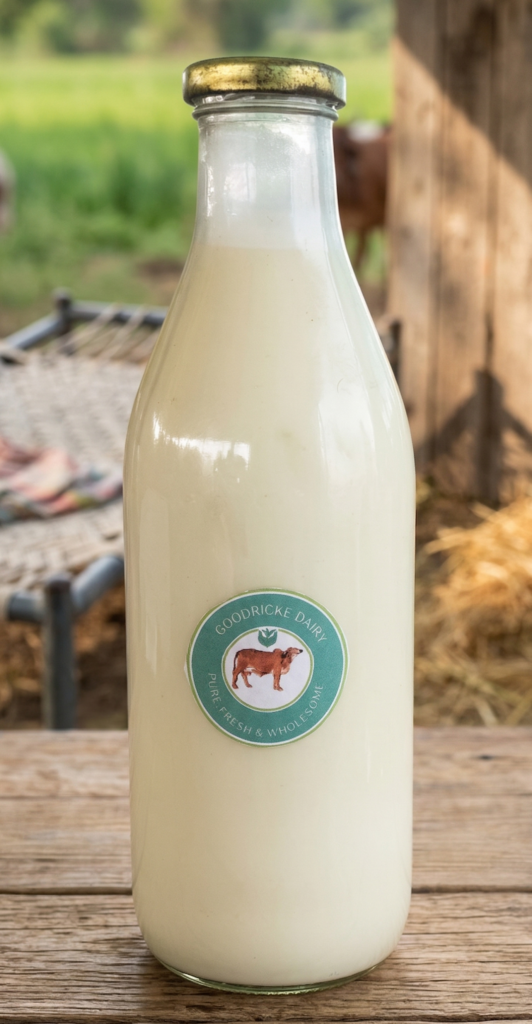
, a cornerstone of India’s tea industry and the local arm of UK-based Camellia Plc, is executing a strategic pivot toward the premium dairy sector. Faced with stagnant tea prices and rising labour costs in traditional plantations, the Kolkata-based major is repurposing unused estate land to launch a range of value-added dairy products, starting with A2 ghee and paneer.
From Estates to Edibles: The Strategic Shift
The diversification moves beyond the teacup as Goodricke looks to leverage its vast land assets. The company has designated approximately 70 hectares of land at its Lakhipara tea estate in the Dooars region of West Bengal for dairy operations. This facility, known as, serves as the hub for the brand’s premium production. Initial production is focused on the premium A2 segment, with e-commerce launches for A2 ghee scheduled for May 2026.
The venture is starting with a modest herd of 150 cows, with plans to scale to 180 by the end of 2026 and eventually 500 over the next five years. While liquid milk remains under consideration, the management is currently prioritising high-margin, shelf-stable derivatives to avoid the heavy cold-chain infrastructure investment required for fresh milk distribution.
Indian Market Context and Pricing Signals
Goodricke’s entry comes at a time when the Indian dairy market is experiencing a structural shift toward premiumisation. While the broader industry faces a tightening supply—with milk production growth at 3.5% trailing demand growth of 6%—the premium A2 segment remains resilient, commanding significant price premiums. By targeting niche e-commerce and high-value retail, Goodricke avoids the “commodity trap” of the mass market.
Furthermore, the diversification helps mitigate the cyclical volatility of the tea industry, which currently accounts for 70% of the group’s revenue. With tea production costs rising due to climate instability and wage revisions, the higher margins of branded dairy offer a necessary hedge for the company’s balance sheet.
Implications for Processors and Investors
For dairy processors, Goodricke’s entry signals a growing trend of “corporate farming” where large landholders bypass traditional cooperative collection models to maintain total quality control from farm to fork. Investors should view this as a margin-protection play; Goodricke is transforming from a pure-play plantation firm into a diversified FMCG entity.
The success of this model will depend on the brand’s ability to translate its “estate-grown” heritage from tea to dairy. If successful, it could provide a blueprint for other plantation majors in Assam and West Bengal to utilise surplus land for high-yield agri-diversification.
The Dairy Dimension Perspective
Goodricke’s transition is more than a survival tactic; it is a calculated bet on the Indian consumer’s willingness to pay for provenance and purity. As the gap between milk supply and demand widens through 2026, the real battlefield will not be volume, but value. Goodricke is positioning itself on the right side of that divide.