


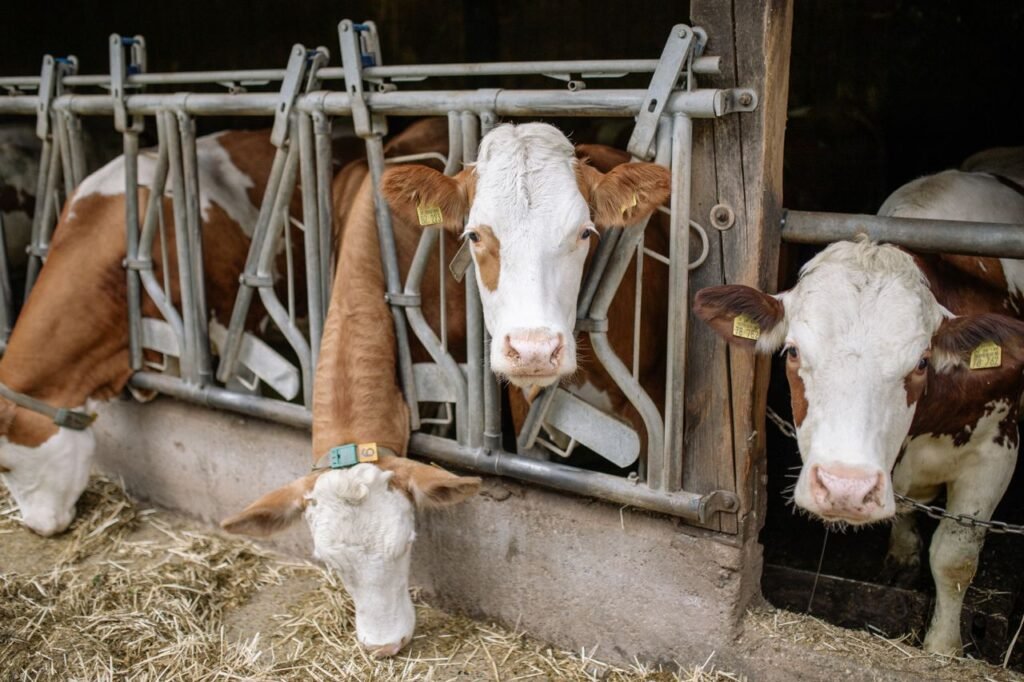
Hungarian Dairy Sector Faces Deepening Crisis Amid Overproduction and Cheap Imports
Hungary’s dairy industry is facing one of its most challenging periods in recent years as falling milk prices, rising imports, overproduction across Europe, and limited government support threaten the viability of local dairy farms. Industry leaders warn that without immediate intervention, many producers could be forced to exit the sector.
Milk Prices Continue to Decline
According to the Dairy Council, high milk production across Europe has created significant downward pressure on prices.
Key market figures include:
🥛 EU average raw milk price declined from 53.4 euro cents/kg in September 2025 to 42.34 euro cents/kg in June 2026.
📉 Hungarian raw milk prices dropped further to 37.81 euro cents/kg in June 2026.
💶 Domestic milk prices fell from approximately 200 forints/kg in 2025 to 129 forints/kg in June 2026.
The decline has significantly reduced dairy farmers’ profitability across the country.
Rising Dairy Imports Intensify Competition
Hungary is also experiencing a surge in imported dairy products, particularly from Germany.
Import growth during the first five months of 2026 includes:
🧀 Cheese imports up 11%
🧈 Butter imports up 31%
🥛 Sour milk product imports up 5%
🟡 Gouda imports increased 41%
🟠 Edamer imports increased 24%
German dairy products continue to enter the market at significantly lower prices, making it difficult for domestic producers to compete.
Strong Currency Adds Further Pressure
The appreciation of the Hungarian forint has made imported dairy products more affordable while reducing export competitiveness for domestic producers.
Industry representatives say this combination has widened the pricing gap between imported and locally produced dairy products.
Government Support Remains Limited
The Dairy Council has submitted several proposals aimed at supporting the sector, including:
✅ Expanding the school milk programme
✅ Reducing environmental and local authority levies
✅ Strengthening controls on wholesale imports
✅ Providing greater preference for Hungarian dairy products in public institutions
However, industry leaders say few meaningful measures have been implemented.
Farm Closures Becoming a Growing Concern
Financial pressure is affecting both dairy farms and processors.
Key concerns include:
📉 Processor profitability has declined despite higher revenues.
🐄 Some farmers have already begun emergency culling of dairy cattle.
💰 Limited access to financing and rising feed costs continue to strain operations.
Industry representatives warn that if market conditions do not improve within the coming months, widespread dairy farm closures may become unavoidable.
Outlook
Hungary’s dairy sector faces a combination of weak milk prices, aggressive import competition and rising production costs. Future stability will depend on stronger policy support, improved market conditions and measures that enhance the competitiveness of domestic dairy producers.