


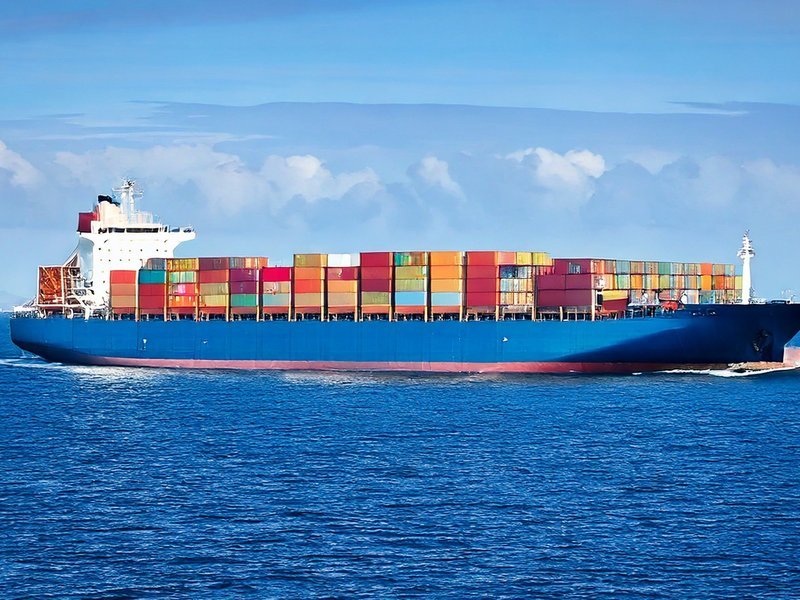
The India-New Zealand Free Trade Agreement (FTA) is set to enter into force on October 20, 2026, creating new opportunities for bilateral trade while retaining protection for India’s sensitive dairy and agricultural sectors. The agreement, signed in April 2026, provides duty-free access for 100% of Indian exports to the New Zealand market from the first day of implementation.
The two countries are also targeting stronger bilateral trade and investment ties, with New Zealand committing to a USD 20 billion investment commitment in India over 15 years. The agreement covers goods, services, investment and agricultural cooperation, while adopting a calibrated approach toward imports into India.
Dairy Sector Kept Outside Tariff Concessions
One of the most significant aspects of the agreement for India’s dairy industry is the exclusion of sensitive dairy products from tariff concessions. The Indian government has specifically kept products including milk, cream, whey, yoghurt, cheese and butter outside the tariff liberalisation commitments.
This means the FTA does not provide broad lower-tariff access for New Zealand dairy products into the Indian market. The exclusion is part of India’s wider approach to protecting sensitive agricultural sectors and domestic livelihoods.
The government’s FTA documents state that around 29.97% of India’s tariff lines have been kept outside tariff concessions, covering sensitive products including dairy and several agricultural commodities.
Duty-Free Access for Indian Exports
While India’s dairy market remains protected, Indian exporters across numerous industries will receive expanded access to New Zealand. The agreement provides zero-duty access for 100% of Indian exports from the date it enters into force.
Major sectors expected to benefit include textiles and clothing, leather and footwear, engineering goods, processed foods and other labour-intensive industries.
For Indian businesses, the removal of New Zealand tariffs could improve price competitiveness and create opportunities to expand exports into the New Zealand market.
Calibrated Access for Agricultural Products
The agreement does not completely liberalise India’s agricultural imports from New Zealand. Instead, selected agricultural products such as apples, kiwifruit and Manuka honey have been provided controlled access through tariff-rate quotas and other conditions.
These arrangements combine limited quantities of preferential imports with safeguards such as minimum import prices and seasonal conditions. The government has described the approach as a way of expanding trade while protecting domestic agricultural producers.
For example, the agreement provides structured market access for New Zealand’s apples and kiwifruit rather than unrestricted imports. This differs from the treatment of dairy products, which remain excluded from tariff concessions.
Agricultural Productivity Partnership
Beyond tariffs, the FTA establishes an Agriculture Productivity Partnership aimed at improving agricultural productivity and farmer incomes. The partnership includes cooperation around apples, kiwifruit and honey, with planned Centres of Excellence covering areas such as orchard management, post-harvest practices, supply chains and food safety.
The model combines controlled market access with technical cooperation, allowing both countries to work on productivity and knowledge transfer.
What the Agreement Means for Dairy
For India’s dairy industry, the October 20 implementation date will not mean a broad opening of the domestic market to New Zealand dairy products. Milk, cream, whey, yoghurt, cheese and butter remain among the products excluded from tariff concessions.
This is particularly relevant because New Zealand is a major participant in international dairy trade. Maintaining the exclusion means Indian dairy producers will continue operating under the existing tariff framework for these sensitive products rather than facing the tariff reductions applied to many other categories.
At the same time, Indian food and agricultural exporters outside the excluded categories will gain greater access to New Zealand.
Outlook for India-New Zealand Dairy Trade
The India-New Zealand FTA represents a broader expansion of bilateral economic ties, but its treatment of dairy reflects a sector-specific approach. While many Indian exports receive duty-free access to New Zealand, India’s dairy sector remains outside the tariff concessions.
As the agreement enters into force on October 20, attention will remain on how exporters, agricultural producers and businesses respond to the new market-access arrangements. For the dairy industry, the exclusion of key products provides continuity in India’s existing tariff protection while allowing the wider FTA to expand trade opportunities across other sectors.