


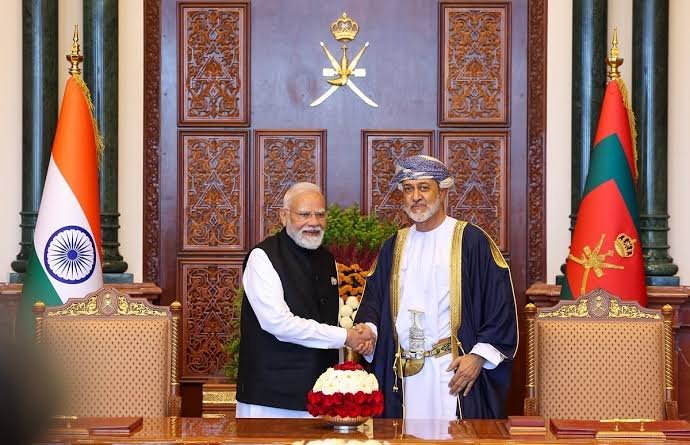
The India–Oman Comprehensive Economic Partnership Agreement (CEPA) is expected to strengthen trade ties between the two countries by expanding preferential market access for Indian exports. With extensive duty-free coverage, the agreement could create opportunities for Indian businesses across multiple product categories, including dairy and food products, subject to the specific tariff provisions applicable to each product.
For India’s dairy industry, improved access to overseas markets can support export diversification, encourage greater engagement with international buyers and create opportunities for dairy processors seeking to expand beyond the domestic market. However, the commercial impact will depend on the agreement’s product-specific provisions, market demand and the ability of exporters to meet Oman’s import requirements.
Potential Opportunities for India’s Dairy Sector
India has a broad dairy industry encompassing liquid milk, milk powders, ghee, butter, cheese, dairy ingredients and other processed products. Access to international markets is important for businesses looking to expand sales, diversify revenue sources and build long-term relationships with overseas distributors.
The India–Oman CEPA provides a framework for strengthening bilateral trade. Its preferential market access provisions may help eligible Indian exporters compete more effectively in Oman, depending on the tariff treatment available for individual dairy products.
For dairy companies, any reduction in applicable import duties could influence landed costs and improve price competitiveness. The actual benefit would depend on the product classification, applicable tariff schedule, rules of origin and other relevant conditions under the agreement.
Exporters Must Assess Product-Specific Conditions
Although the agreement offers extensive duty-free coverage across Indian exports, the precise treatment of dairy products should be confirmed against the relevant tariff schedules. Exporters should not assume that every milk or dairy product automatically qualifies for duty-free entry.
Businesses considering the Omani market will also need to evaluate product specifications, food safety requirements, certification, labelling and import procedures. Dairy products can have particular handling and storage needs, making cold-chain arrangements and reliable distribution important considerations for exporters.
Companies may also need to assess consumer preferences, retail channels and competition from established regional and international suppliers before committing to market expansion.
Strengthening India–Oman Dairy Trade
The agreement creates a wider framework for Indian exporters to explore opportunities in Oman and deepen commercial relationships. For dairy processors, this could encourage closer engagement with importers, distributors, retailers and food-service businesses in the country.
Export opportunities may be particularly relevant to companies with established processing capabilities, consistent product quality and the ability to meet international documentation and logistics requirements. Nevertheless, the scale of potential growth will depend on the tariff concessions available to each product and the commercial conditions prevailing in the Omani market.
For the Indian dairy sector, international trade agreements can form part of a broader strategy to expand market access and diversify export destinations. Businesses will need to combine any available tariff advantages with competitive pricing, regulatory compliance and dependable supply.
Overall, the India–Oman CEPA represents an opportunity to strengthen bilateral trade and encourage Indian exporters to evaluate new overseas markets. Its specific implications for dairy products will become clearer through examination of the relevant product-level provisions and their implementation. For Indian dairy businesses, careful market assessment and export readiness will be essential to convert preferential access into sustainable commercial growth.