


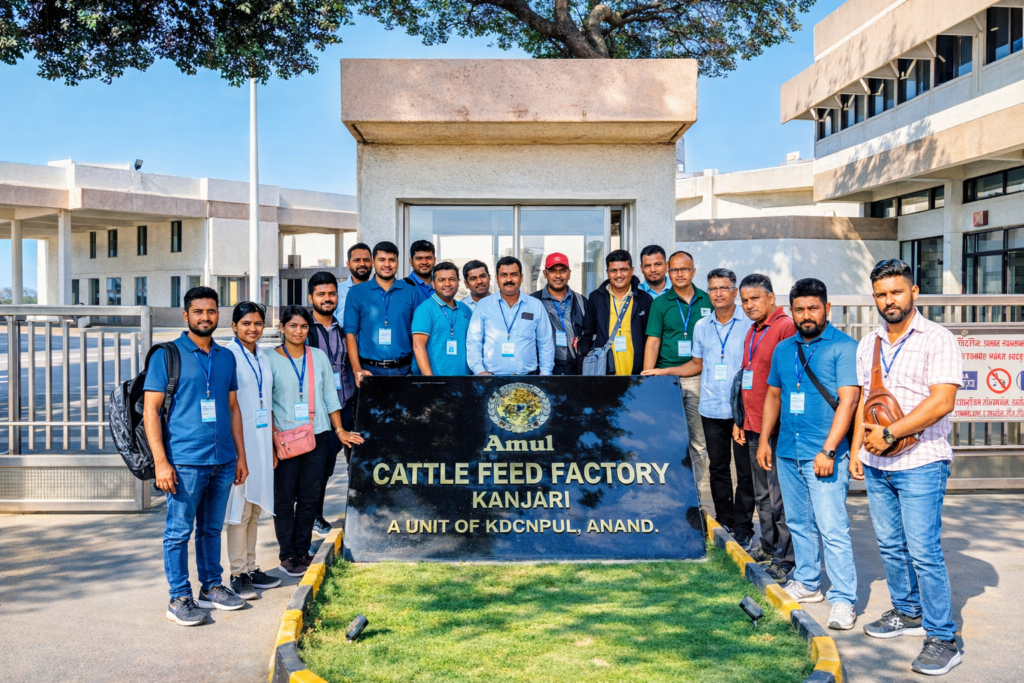
In a significant move to bolster regional cooperation and elevate dairy capabilities across South Asia, India recently hosted a specialised training programme for a 25-member delegation of Sri Lankan dairy farmers at the National Dairy Development Board (NDDB) in Anand, Gujarat.
Held from 14 to 20 December 2025, the week-long initiative was part of India’s broader commitment to fostering agricultural collaboration with Sri Lanka. The programme stemmed from an announcement made by Indian Prime Minister Narendra Modi during his April 2025 visit to Sri Lanka, which included a pledge to offer 700 tailored training opportunities annually for Sri Lankan professionals.
The capacity-building course offered participants comprehensive insights into the dairy value chain, with modules spanning animal breeding technologies, balanced livestock nutrition, quality assurance mechanisms, and modern feeding strategies. Designed to be both theoretical and experiential, the training blended classroom instruction with field-based learning to develop practical skills.
Participants gained exposure to India’s advanced dairy production systems through site visits to top-tier dairy facilities and cooperative institutions. These interactions allowed Sri Lankan delegates to observe contemporary dairy practices, understand integrated supply chains, and explore innovations in processing and retail.
A key focus of the programme was India’s robust cooperative-led dairy model, which has played a pivotal role in improving farmer livelihoods, ensuring fair procurement, and promoting sustainable dairy production. Emphasis was placed on clean milk production, hygienic handling, and environmentally conscious farm management practices, all critical areas for enhancing the Sri Lankan dairy sector’s resilience and productivity.
By drawing on India’s proven models and technological advancements, the initiative aims to equip Sri Lankan dairy stakeholders with tools and knowledge to drive transformation at home, especially in the context of climate change, supply chain modernisation, and rural economic development.