


India Targets FMD-Free Status in Nine States to Unlock European Dairy Markets
India is accelerating efforts to secure Foot-and-Mouth Disease (FMD)-free certification in at least nine states over the next two years, a move that could significantly reshape the country’s dairy export landscape and open access to premium international markets, particularly Europe.
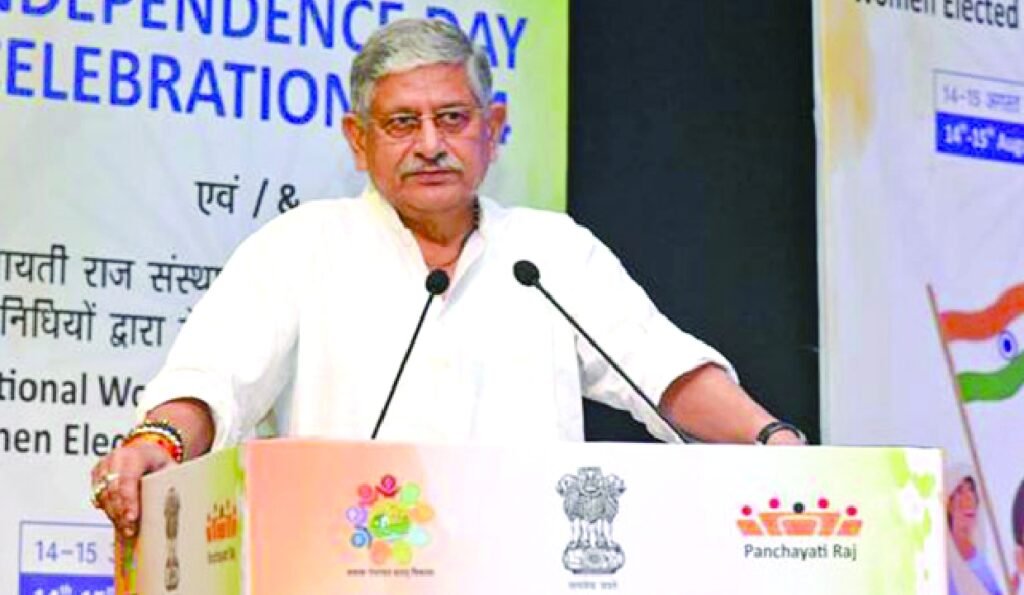
The announcement was made by Union Minister for Fisheries, Animal Husbandry and Dairying, Rajiv Ranjan Singh, during the 98th Foundation Day celebrations of the Indian Council of Agricultural Research (ICAR).
A Key Milestone for India’s Dairy Export Ambitions
Despite being the world’s largest milk producer, India’s dairy exports have remained relatively limited in developed markets due to stringent sanitary and phytosanitary requirements, especially the requirement for FMD-free certification.
“Despite leading the world in milk production, we have struggled to export dairy products, largely because developed countries, especially in Europe, require FMD-free certification,” Singh stated.
The government now aims to achieve nationwide FMD-free status by 2030, with nine states identified as the first candidates due to their consistently low outbreak numbers and successful completion of vaccination programmes.
If recognised by the World Organisation for Animal Health (WOAH), these states could provide India with its first meaningful entry point into highly regulated dairy markets that have long remained inaccessible.
Significant Progress in Disease Control
India’s efforts to control FMD have shown encouraging results.
According to government data:
- 📉 FMD outbreaks declined from 105 cases in 2021 to 40 cases in 2025
- 🐄 More than 38 crore animals have been assigned 13-digit digital identification tags
- 📲 An OTP-based vaccination verification system has been introduced to improve transparency and accountability
The digital verification mechanism was implemented after reports emerged from certain states regarding discrepancies between reported and actual vaccination activities.
The combination of mass vaccination campaigns, animal traceability systems, and indigenous vaccine development is increasingly strengthening India’s animal health infrastructure.
Indigenous Vaccine Development Strengthens Biosecurity
The minister highlighted that ICAR and the Department of Animal Husbandry have jointly developed indigenous vaccines to combat multiple livestock diseases, including:
- 🐄 Foot-and-Mouth Disease (FMD)
- 🐖 Classical Swine Fever (CSF)
- 🐐 Peste des Petits Ruminants (PPR)
- 🐷 African Swine Fever (newly launched indigenous vaccine)
These developments represent a significant advancement in reducing dependence on imported veterinary technologies while improving national biosecurity.
Potential Impact on India’s Dairy Sector
Achieving FMD-free certification could prove transformative for India’s dairy industry.
Europe and several other premium dairy markets maintain strict import regulations regarding animal diseases, and certification would:
- 🌍 Expand export opportunities for Indian dairy products
- 💰 Increase value realization for dairy processors and farmers
- 🥛 Diversify India’s dairy export destinations
- 📈 Strengthen India’s position in global dairy trade
Industry observers note that India’s dairy exports currently remain concentrated in neighbouring and developing markets despite its enormous production base.
Opening access to developed economies could unlock substantial long-term growth opportunities.
Strengthening Livestock and Fisheries Infrastructure
Beyond dairy, the government also highlighted broader developments in livestock and fisheries.
Fish exports rose to ₹73,891 crore in 2025-26, up from ₹62,408 crore in the previous year despite disruptions from higher US tariffs.
The minister also called for increased focus on inland fisheries, aquaculture development, and the utilisation of Odisha’s vast brackish water resources for shrimp farming.
Additionally, ICAR has received ₹123 crore under the Pradhan Mantri Matsya Sampada Yojana (PMMSY) to support research in disease control, breed improvement, and aquaculture innovation.
A Strategic Opportunity for Indian Dairy
The pursuit of FMD-free certification reflects India’s broader ambition to transition from being merely the world’s largest milk producer to becoming a major global dairy exporter.
As global demand for dairy products continues to evolve, improving animal health standards, traceability systems, and regulatory compliance could position India to capture new opportunities in premium international markets.
If successfully implemented, the certification of the first nine states may mark the beginning of a new chapter for India’s dairy export industry, significantly enhancing its global competitiveness.