


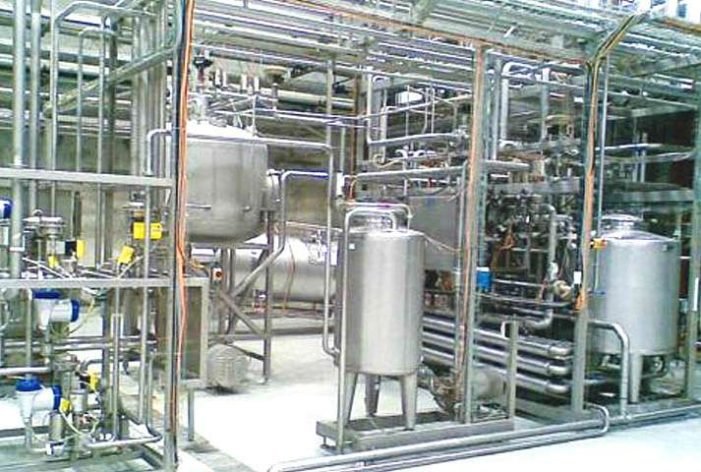
The Jammu and Kashmir Government is considering setting up an Embryo Transfer Technology (ETT) laboratory on a pilot basis in Kashmir as part of a wider strategy to increase milk production, improve dairy-animal genetics and raise per-animal productivity across the Union Territory.
The proposed laboratory is one of several measures being considered by the Agriculture Production Department to strengthen Jammu and Kashmir’s dairy sector. The initiatives were outlined in response to an unstarred question raised by MLA Javaid Riyaz regarding steps being taken to increase milk production in the Union Territory.
According to the government, per-capita milk availability in J&K is already higher than the national average. However, authorities are continuing to focus on increasing overall milk production and improving productivity per animal while strengthening the supporting infrastructure required by dairy farmers.
Focus on Genetic Improvement
Genetic improvement is a major component of the government’s dairy development strategy. The proposed Embryo Transfer Technology laboratory would support efforts to improve the genetic potential of dairy animals.
The government is also implementing the Rashtriya Gokul Mission, which includes artificial insemination, sex-sorted semen and other breed-improvement interventions. These measures are intended to increase the availability of genetically superior female calves and improve the productivity of the bovine population.
The Artificial Insemination network is being strengthened through doorstep services, deployment of additional MAITRIs, quality-assured frozen semen and high-genetic-merit germplasm. The Frozen Semen Station at Ranbirbagh is also being strengthened to produce quality-assured semen doses.
Strengthening Dairy Infrastructure
Financial assistance is being provided under the Integrated Dairy Development Scheme to eligible beneficiaries for establishing and expanding dairy units, purchasing milch animals and developing milk-chilling and value-addition infrastructure.
The government is also using the National Programme for Dairy Development to strengthen milk procurement, chilling, processing, testing and quality-assurance infrastructure.
Meanwhile, the Jammu & Kashmir Competitiveness Improvement of Agriculture and Allied Sectors Project is supporting milk aggregation and chilling facilities, including Bulk Milk Coolers. The programme also supports dairy processing and value addition for eligible beneficiaries, Self-Help Groups, Farmer Producer Organisations and cooperatives.
Feed and Fodder Development
Improving feed and fodder availability is another key priority. Under the Holistic Agriculture Development Programme, the government is supporting fodder cultivation and conservation, hydroponic fodder production, hay and silage making and other dairy-related activities.
Measures include the distribution of fodder seed kits, establishment of fodder depots and promotion of chaff cutters, hydroponic fodder units and hay- and silage-making facilities.
These initiatives are intended to address feed availability while supporting better animal nutrition and dairy productivity.
Veterinary Healthcare and Farmer Support
Animal health is also being addressed through the Livestock Health and Disease Control Programme, which provides preventive vaccination, disease-control measures and veterinary healthcare services.
J&K is providing veterinary support through Mobile Veterinary Units and the toll-free 1962 helpline. Farmer training, capacity-building programmes, ration balancing and awareness initiatives are also being conducted with a focus on animal health, nutrition and dairy management.
The National Livestock Mission is supporting livestock development and allied activities, including livestock insurance, subject to scheme guidelines and availability of funds.
Credit, Processing and Value Addition
The government is also facilitating access to institutional finance for eligible dairy farmers and entrepreneurs through instruments such as the Kisan Credit Card and other applicable schemes. Dairy animals introduced under the Integrated Dairy Development Scheme are insured according to the scheme provisions.
Value addition is another area receiving attention. Financial assistance is being provided to eligible individuals, groups, SHGs, FPOs and cooperatives for milk processing activities including pasteurisation, packaging and production of products such as curd and paneer.
| Key area | Government intervention |
|---|---|
| Genetic improvement | ETT, artificial insemination, sex-sorted semen |
| Dairy infrastructure | Chilling, processing and testing facilities |
| Feed and fodder | Fodder cultivation, hydroponics, hay and silage |
| Animal health | Vaccination, veterinary services, Mobile Veterinary Units |
| Farmer support | Training, ration balancing and awareness |
| Finance | Kisan Credit Card and institutional credit |
| Value addition | Pasteurisation, packaging, curd and paneer |
| Market access | Milk aggregation, chilling and processing |
The government said these interventions are being implemented through the convergence of departmental and centrally sponsored schemes. The broader objective is to increase milk and per-animal productivity, strengthen the dairy value chain, improve farmer incomes, promote dairy entrepreneurship and create sustainable employment opportunities.
The proposed pilot Embryo Transfer Technology laboratory adds a further genetic-improvement component to this strategy, alongside artificial insemination and other breeding interventions. Together, the measures reflect Jammu and Kashmir’s broader effort to strengthen dairy production through genetics, nutrition, animal healthcare, infrastructure and market development.