


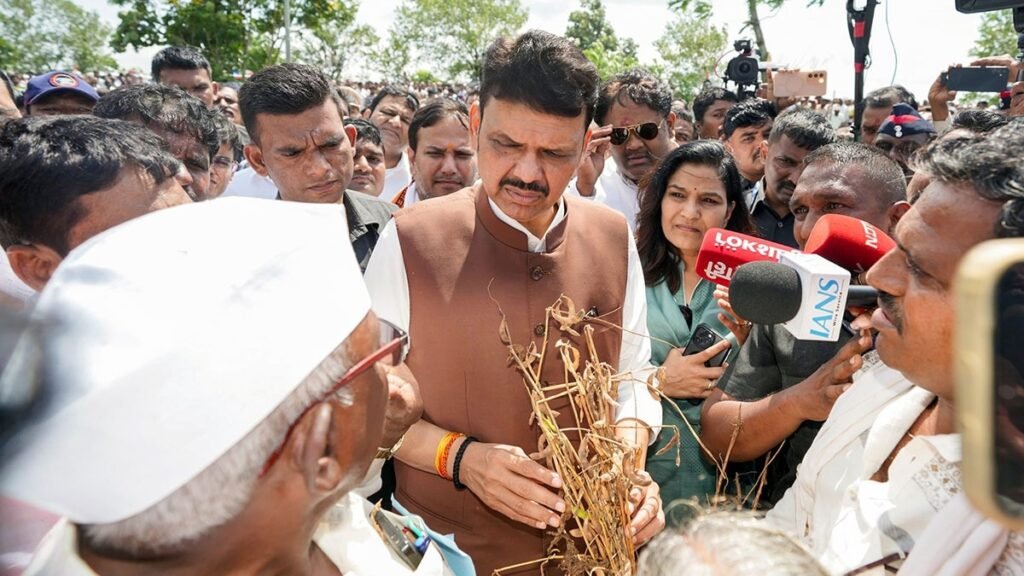
Maharashtra’s worsening drought conditions are raising concerns across the dairy industry, with declining fodder availability, rising cattle feed expenses and heat stress threatening milk production and increasing the likelihood of higher retail prices. Dairy farmers, milk cooperatives and processors are warning that prolonged water scarcity could place additional pressure on the state’s dairy supply chain.
According to reports published on October 8, 2026, the Maharashtra government has declared 265 of the state’s 358 talukas drought-affected following inadequate rainfall, particularly during August and September. Marathwada and Vidarbha are among the worst-affected regions, while parts of northern Maharashtra and western Maharashtra, including Solapur district, are also experiencing drought conditions.
Rising Feed Costs Put Pressure on Dairy Farmers
The shortage of fodder is emerging as a major challenge for dairy farmers, as drought conditions reduce the availability of green fodder and agricultural residues used for livestock feeding. With limited water supplies and deteriorating crop conditions, farmers may have to purchase additional cattle feed, increasing their overall production expenses.
Industry stakeholders estimate that producing one litre of cow milk costs approximately ₹28–30 for farmers maintaining four to five cows. For buffalo milk, production costs can reach ₹40–45 per litre for farmers with a similar number of animals.
These costs are placing pressure on farmers’ margins, particularly when feed prices rise faster than milk procurement rates. Although some farmers may shift their attention towards dairy farming when crop incomes decline, their ability to increase milk production will depend on the availability of affordable feed, drinking water and veterinary care.
Milk Procurement and Retail Prices Under Pressure
The current procurement and retail prices highlight the financial pressures affecting Maharashtra’s dairy sector.
| Milk category | Farmer procurement price | Approximate retail price in Mumbai |
|---|---|---|
| Cow milk | ₹42 per litre | ₹60 per litre |
| Buffalo milk | ₹56 per litre | ₹78 per litre |
The reported procurement rates apply to specified fat and solids-not-fat (SNF) standards. Cow milk prices correspond to 3.5 units of fat and 8.5 units of SNF, while buffalo milk prices correspond to six units of fat and nine units of SNF.
Milk procurement prices have increased from approximately ₹36–37 per litre for cow milk and ₹51–52 for buffalo milk in May. The crackdown on milk adulteration by Maharashtra’s Food and Drug Administration has also contributed to changes in procurement prices, according to the report.
However, procurement and retail prices vary across dairies, depending on milk quality, processing expenses, distribution costs and local market conditions. Further increases in feed and fodder expenses could intensify pressure on both farmers and dairy businesses.
Fodder Shortages Could Reduce Milk Output
Farmer leader and former Lok Sabha MP Raju Shetti has warned that fodder shortages could reduce milk production in drought-affected areas, including Marathwada and parts of western Maharashtra such as Jath, Kavathe Mahankal, Atpadi, Maan and Khatav.
He has urged the state government to ensure the availability of drinking water and fodder for livestock.
Prakash Kutwal, founder and chairman of Kutwal Foods Pvt. Ltd., which markets dairy products under the Urja brand, noted that farmers often rely more heavily on dairy activities during droughts. Some also use damaged or wilted kharif crops, including groundnut, as cattle feed.
However, this adjustment cannot fully offset a prolonged shortage of nutritious fodder. Poor-quality feed, inadequate hydration and heat stress can affect animal health, milk yield and reproductive performance, further increasing the cost of maintaining dairy herds.
Heat Stress Adds to Dairy Industry Concerns
Rising temperatures are another threat to Maharashtra’s milk supply. Heat stress can disrupt livestock physiology, reduce feed intake and affect lactation, while increasing the need for water, cooling and veterinary support.
Industry stakeholders have also expressed concerns that prolonged water scarcity and rising production costs could increase the risk of milk adulteration as some operators attempt to meet demand. Strong quality-control measures and effective monitoring will therefore remain important for protecting consumers and maintaining confidence in dairy products.
Higher milk prices could also affect downstream dairy businesses. Sweets, paneer, khoya, butter and other milk-based products may become more expensive if processors face higher raw milk procurement costs.
Seasonal Milk Surplus May Offer Limited Relief
Maharashtra produces approximately 17 million litres of liquid milk daily across its organised and unorganised sectors, with buffalo milk accounting for around four million litres. The usual flush season begins in November and continues until late March or April, when higher milk availability supports the production of butter and skimmed milk powder.
Nevertheless, the extent of any seasonal relief will depend on rainfall conditions, fodder availability, animal health and the ability of dairy farmers to sustain production.
The Karnataka cabinet’s recent proposal to increase Nandini milk prices by ₹8 per litre also highlights the wider cost pressures facing the dairy sector.
For Maharashtra, ensuring affordable cattle feed, adequate drinking water, veterinary support and effective milk-quality monitoring will be crucial. Without timely intervention, drought-related expenses could squeeze dairy farmers’ earnings, constrain milk supplies and contribute to higher prices for consumers and dairy-based products.