


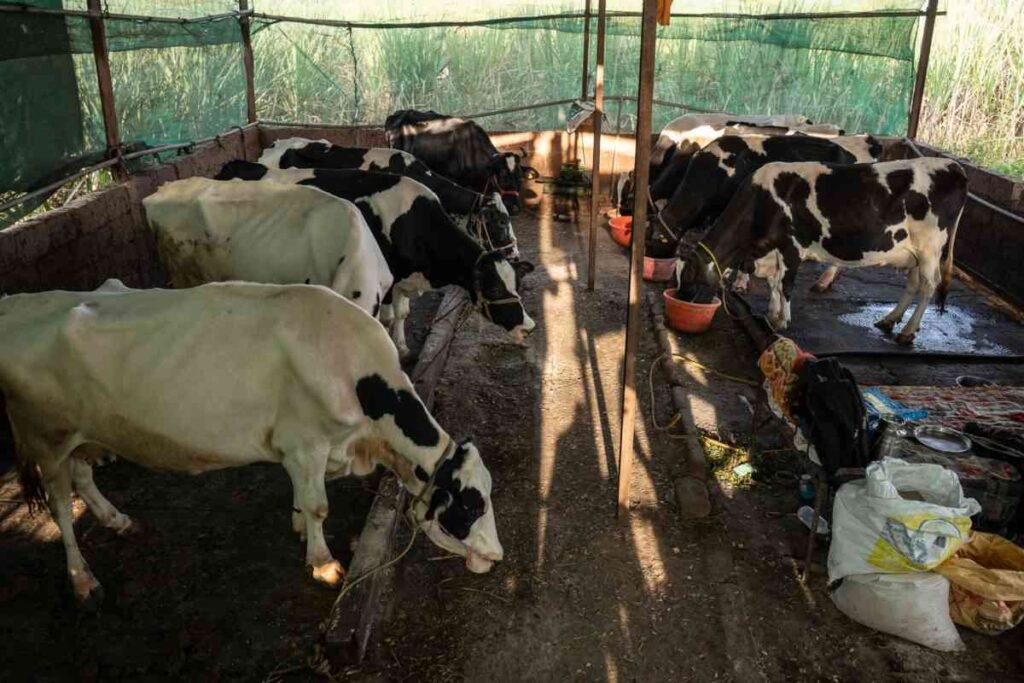
Maharashtra’s dairy sector has recorded significant expansion over the past decade, with milk production rising by nearly 64%, according to the Economic Survey 2025–26. The state’s output increased from 101.52 lakh metric tonnes (MT) in 2015–16 to 166.26 lakh MT in 2024–25, reflecting the growing role of dairying in rural livelihoods and agricultural diversification.
The survey highlights that per capita milk availability in the state has also improved notably, increasing from 239 grams per day to 358 grams per day during the same period. This represents a growth of nearly 50%. However, despite this progress, Maharashtra still lags behind the national average of 485 grams per day, placing the state in the fifth position in terms of milk availability.
Dairying continues to function as an important supplementary activity to agriculture in Maharashtra. The sector plays a crucial role in generating additional income and employment opportunities for rural households while also contributing to improved nutritional outcomes.
Infrastructure development within the cooperative sector has also supported the expansion of the dairy industry. As of March 2025, the state had 68 milk processing plants with a combined capacity of 83.25 lakh litres per day, along with 44 chilling centres capable of handling 20.66 lakh litres daily. Cooperative dairies collected an average of 43.37 lakh litres of milk per day during 2024–25, while the collection stood at 42.87 lakh litres per day during 2025–26 up to December.
The survey also notes a policy shift aimed at strengthening the livestock sector. In October 2025, Maharashtra became the first state in India to grant agriculture-equivalent status to animal husbandry activities. The move extends several benefits to farmers engaged in dairy, poultry and goat farming.
These benefits include electricity tariffs at agricultural rates, uniform taxation aligned with agricultural norms, concessional interest on loans for animal husbandry activities, and eligibility for installing solar pumps and renewable energy systems similar to those available to crop farmers.
Despite these supportive policies and production growth, the survey indicates that improving productivity, strengthening supply chains and increasing per capita consumption will remain key priorities for the state’s dairy sector in the coming years.