


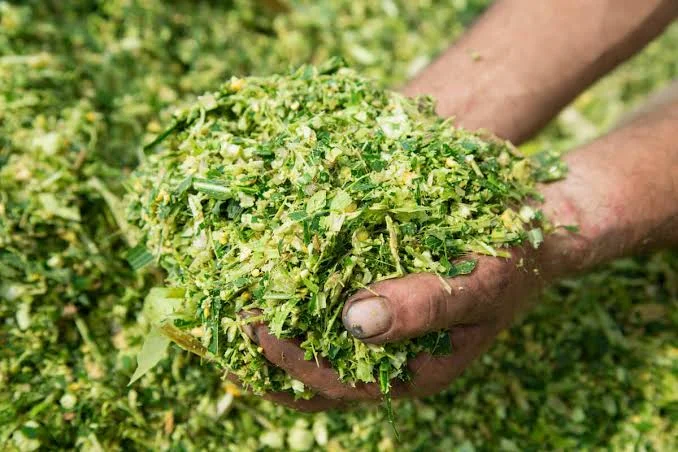
Maharashtra has launched a targeted silage subsidy programme to help dairy farmers in drought-affected regions maintain livestock nutrition, manage feed expenses and protect milk production. The initiative, known as Mission Murghas under the Magel Tyala Murghas scheme, focuses on improving access to preserved green fodder across Marathwada and Vidarbha, where water scarcity and limited fodder availability have created challenges for livestock owners.
Under the programme, eligible milk producers and livestock owners across 19 districts can receive a subsidy of ₹3 per kilogram of purchased silage. The assistance is calculated against a provision of five kilograms per animal per day for 90 days. Beneficiaries must submit proof of purchase, with approved payments transferred directly to their bank accounts through the Direct Benefit Transfer (DBT) system.
The initiative comes as Maharashtra addresses drought conditions declared across 305 talukas, highlighting the importance of reliable animal feed supplies for sustaining the state’s dairy industry.
Mission Murghas Targets Fodder Security and Milk Production
Fodder shortages are a significant concern for dairy farmers during periods of inadequate rainfall. Reduced green fodder availability can force livestock owners to depend on purchased feed, increasing operating expenses and potentially affecting animal health and milk yields.
Mission Murghas aims to ease this pressure by encouraging the use of silage, a preserved feed produced through the controlled fermentation of green fodder under airtight conditions. Maize, sorghum and Napier grass are among the crops suitable for silage preparation.
When prepared and stored correctly, silage can provide livestock with a more dependable source of feed when fresh fodder and grazing resources become scarce. The subsidy is intended to make this alternative more accessible to farmers who might otherwise struggle with the cost of maintaining adequate cattle nutrition.
According to the reported programme details, the assistance will cover eligible purchases within the specified daily quantity and 90-day period. The actual benefit available to individual farmers will depend on their eligibility, the number of animals covered and the applicable implementation rules.
Additional Funding Strengthens Fodder Development
The Maharashtra government has approved an additional ₹76.41 crore for fodder cultivation and silage production under the wider dairy development initiative. This allocation is separate from ₹51.20 crore previously earmarked for fodder-seed distribution during the 2026–27 kharif season and for the dairy development project.
The programme forms part of the second phase of the Vidarbha-Marathwada Dairy Development Project, implemented in collaboration with the National Dairy Development Board (NDDB).
Implementation will involve animal husbandry officials, dairy cooperatives, milk collection societies, silage producers, women’s self-help groups, farmer-producer organisations and Krishi Vigyan Kendras. District administrations have been directed to establish targets for fodder-seed distribution, cultivation and silage production.
Village-level demonstrations and training sessions will cover harvesting at the appropriate stage, chopping, compacting and airtight storage. These practices are essential because poorly prepared silage can deteriorate, lose nutritional value or become unsuitable for livestock consumption.
Maharashtra’s Dairy Industry and Production Potential
Maharashtra produced 166.26 lakh metric tonnes of milk in 2024–25, according to the Maharashtra Economic Survey 2025–26, as reported in the source material. Dairy farming remains an important source of supplementary income and rural employment, particularly for small and marginal farmers.
The Vidarbha-Marathwada Dairy Development Project seeks to strengthen milk production and procurement infrastructure in regions with potential for further dairy-sector growth.
By February 2025, the project’s procurement network reportedly covered 3,411 villages and included approximately 35,000 milk producers. Milk collection through the network had reached around 4.5 lakh kilograms per day.
However, limited fodder availability and inadequate animal nutrition remain constraints. Improving access to preserved feed could help farmers maintain more consistent feeding practices and support milk production during seasonal shortages.
Effective Implementation Will Determine Farmer Benefits
The subsidy offers financial assistance, but its effectiveness will depend on the availability, affordability and quality of silage in participating districts. Farmers also need access to chopping and baling equipment, appropriate storage facilities and practical training in fodder preservation.
Industry stakeholders have emphasised the importance of timely payments and local supplies. If silage is unavailable or transportation costs remain high, the subsidy may not fully offset the financial pressure faced by smaller livestock owners.
Balanced feeding is equally important. Silage must be incorporated into an appropriate ration that meets animals’ nutritional requirements rather than being treated as a complete substitute for all other feed.
Monitoring silage quality, beneficiary coverage and milk-production trends can help authorities evaluate the scheme’s effectiveness and identify gaps in implementation.
A Step Towards Greater Dairy Resilience
Maharashtra’s silage subsidy initiative represents a targeted effort to address one of the dairy industry’s most persistent climate-related challenges: securing sufficient animal feed during droughts.
By combining purchase subsidies with fodder cultivation, technical training and cooperation among dairy institutions, the state aims to improve feed security and protect rural dairy livelihoods.
For the wider Indian dairy sector, the programme also highlights the importance of investing in fodder conservation and drought preparedness. Reliable feed supplies can help reduce seasonal vulnerabilities, support cattle health and improve the resilience of milk-producing households when rainfall becomes unpredictable.