


Kolkata: A recent study has detected microplastic particles in both packaged and locally sourced raw cow milk, raising concerns about plastic contamination in an everyday food product. The research, jointly led by Debashis Chatterjee of the University of Kalyani and Santanu Majumder of Bournemouth University in the UK, has been published in the Journal of Food Composition and Analysis.
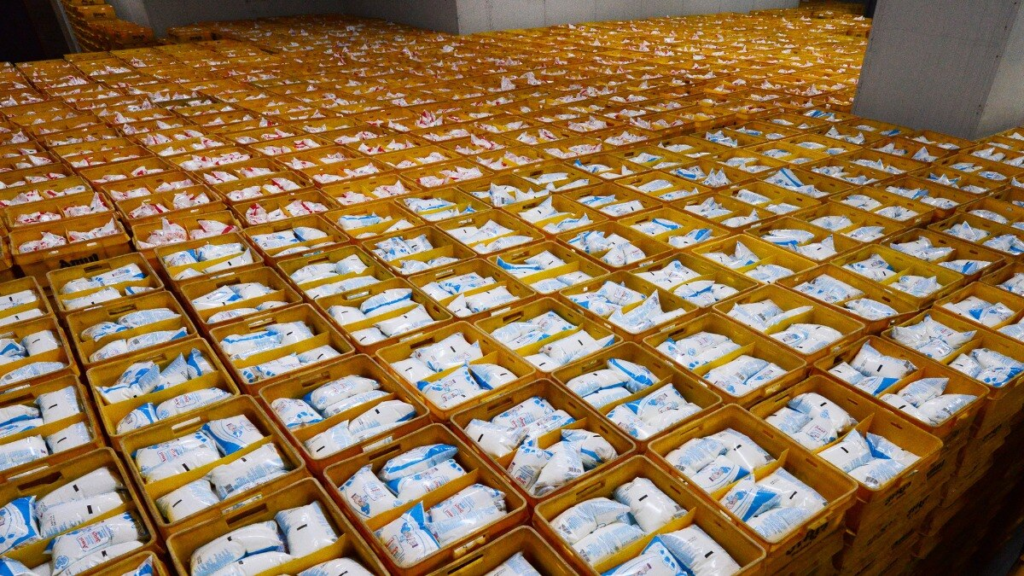
The study examined nine milk samples collected from Kolkata and surrounding areas. The samples represented commonly available local milk options and included six commercial pouch milk products from four national and two regional brands, along with raw cow milk obtained from local vendors.
Laboratory analysis detected plastic particles in all the samples examined. Researchers identified a total of 66 microplastic particles, with contamination levels ranging from 3 to 30 particles per litre of milk.
Most of the particles were identified as tiny fibres or fragments. Polyethylene and polypropylene were reported as the dominant polymers detected in the samples. These materials are widely used in food packaging, plastic containers, wrappers and other everyday products.
Packaging Identified as a Possible Source
The researchers indicated that food packaging could be an important pathway through which microplastics enter milk. Plastic materials used for packaging, storage and transportation may potentially contribute to contamination during different stages of the supply chain.
However, the detection of microplastics in raw milk is also significant because it indicates that contamination may occur before milk reaches commercial packaging. Farm-level handling, equipment, storage and processing could represent potential points where plastic particles enter the milk.
The findings therefore suggest that monitoring microplastic contamination may need to cover the entire dairy supply chain rather than focusing solely on packaged products.
Debashis Chatterjee said that the detection of microplastics in both packaged and raw cow milk provides evidence that can contribute to future assessments of food safety and potential health risks. He also highlighted the importance of mitigation measures for foods consumed regularly, particularly by children, senior citizens and vegetarians.
Growing Concern Over Microplastics
Microplastics are extremely small plastic particles that can originate from the breakdown of larger plastic materials as well as synthetic fibres, personal care products and industrial packaging. Previous research has detected such particles in a range of food and beverage products, including seafood, drinking water and salt.
The growing detection of microplastics in food has increased scientific interest in understanding how these particles enter the human food chain and what their long-term implications could be.
Researchers cited potential concerns associated with repeated exposure to microplastics, including inflammation, endocrine effects and impacts on the gastrointestinal system. However, the precise effects of dietary microplastic exposure on human health remain an active area of scientific research, and further evidence is required to establish long-term health risks.
| Study Finding | Details |
|---|---|
| Study location | Kolkata and surrounding areas |
| Milk samples | 9 |
| Commercial milk samples | 6 |
| Raw cow milk samples | 3 |
| Total particles detected | 66 |
| Contamination range | 3–30 particles/litre |
| Major particle forms | Fibres and fragments |
| Dominant polymers | Polyethylene and polypropylene |
| Journal | Journal of Food Composition and Analysis |
Need for Further Research
The findings have highlighted the need for further research into the sources, movement and persistence of microplastics throughout the dairy supply chain. Researchers have called for stronger monitoring and additional investigation into potential contamination points, alongside efforts to explore alternatives to plastic packaging.
For the dairy industry, the study could encourage greater attention to packaging materials, processing equipment, storage systems and farm-level handling practices. For policymakers and researchers, establishing consistent testing and monitoring methods could help generate comparable data across different regions and milk categories.
The study provides an important indication of the presence of microplastics in the tested milk samples, but the researchers’ findings should be interpreted in the context of the limited sample size and geographical scope. Further studies involving larger numbers of samples from different regions and production systems will be needed to better understand the prevalence and potential implications of microplastic contamination in milk.