


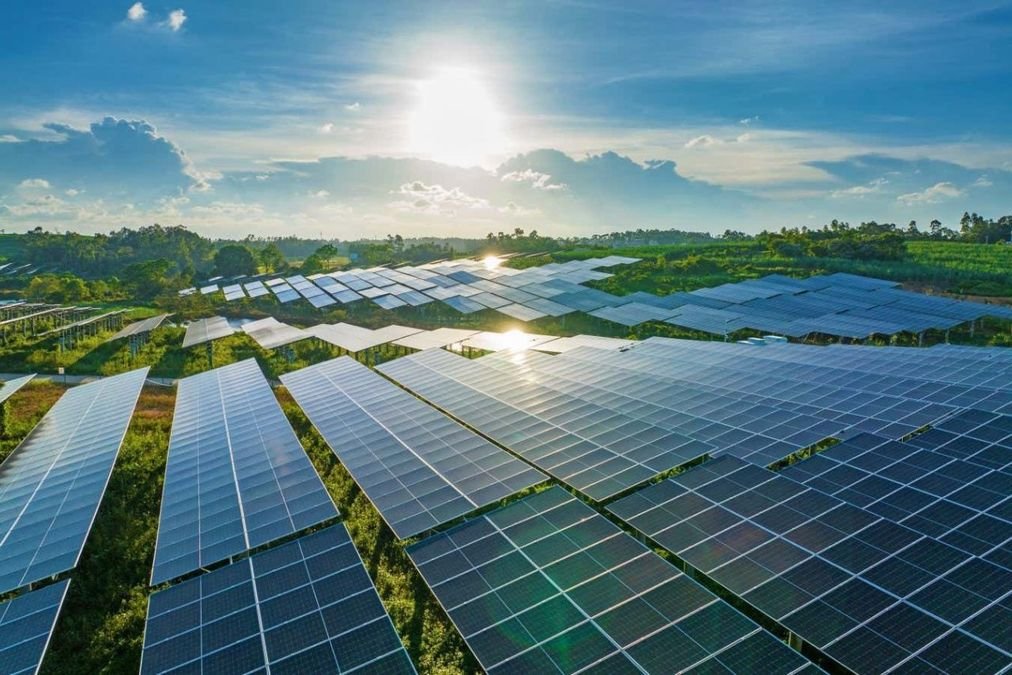
Milky Mist Dairy Food has commissioned a new 10 MW solar power plant at Arasanoor in Tamil Nadu, expanding its renewable energy capacity and strengthening its focus on sustainable manufacturing. The new facility has been added to the company’s existing 15 MW solar installation at the same location, taking the total solar capacity at Arasanoor to 25 MW.
The company has invested approximately Rs 109.60 crore in its 25 MW Arasanoor solar capacity. With the latest addition, Milky Mist Dairy Food’s overall renewable energy portfolio has reached around 41 MW, comprising solar and wind power assets across different locations.
Renewable Energy Portfolio
Milky Mist’s renewable energy portfolio includes 25 MW of solar capacity at Arasanoor, 9 MW at Kavilipalayam and another 5 MW at Chithode. The company also operates a 2 MW wind power facility at Kayathar.
| Renewable Asset | Capacity |
|---|---|
| Arasanoor solar | 25 MW |
| Kavilipalayam solar | 9 MW |
| Chithode solar | 5 MW |
| Kayathar wind | 2 MW |
| Total renewable capacity | 41 MW |
The company said it uses renewable energy sources to meet its power requirements. The electricity generated from the Arasanoor project is expected to support the company’s manufacturing facility at Perundurai as well as its milk chilling centres located across different areas.
Solar Project and Sustainability Impact
The expanded 25 MW Arasanoor solar project is expected to generate approximately 2 million units of renewable electricity annually. The additional renewable generation is intended to reduce the company’s dependence on conventional energy sources.
According to the company, the project could help avoid approximately 16,000 tonnes of carbon emissions every year. This adds to Milky Mist’s broader efforts to integrate renewable energy into its dairy manufacturing and distribution operations.
Milky Mist began investing in renewable energy in 2016, when it commissioned its first 2 MW solar power plant. Since then, the company has invested nearly Rs 197 crore in renewable energy generation facilities with an aggregate capacity of around 41 MW.
The company estimates that its renewable energy assets have generated approximately 210 million units of electricity, with an estimated value of around Rs 165 crore.
Additional Energy Initiatives
Beyond solar and wind power, Milky Mist has invested in steam turbine technology and a methane gas purification plant. According to the company, its methane-based system generates approximately 15,000 units of electricity per day.
The company also uses biomass for boiler operations, adding another renewable or alternative-energy component to its manufacturing infrastructure.
Financial Performance
Milky Mist Dairy Food reported strong year-on-year growth in standalone revenue during the first quarter of FY27.
| Metric | Q1 FY27 | Q1 FY26 |
|---|---|---|
| Revenue from operations | Rs 973 crore | Rs 673 crore |
| Operating profit | Rs 143 crore | Rs 80 crore |
| Operating margin | 15% | 12% |
| Net profit | Rs 64 crore | Rs 6 crore |
| Basic EPS | Rs 1.00 | Rs 0.09 |
Revenue from operations increased approximately 44.58% year-on-year, while operating profit rose from Rs 80 crore to Rs 143 crore. Net profit increased from Rs 6 crore to Rs 64 crore during the same period.
The company’s renewable energy expansion comes alongside its broader investment in manufacturing infrastructure and dairy processing capabilities.
Long-Term Energy Strategy
The commissioning of the additional 10 MW solar plant increases Milky Mist’s renewable capacity while supporting its manufacturing and chilling infrastructure. The Arasanoor expansion takes the company’s solar capacity at the site to 25 MW and total renewable capacity to approximately 41 MW.
The company has not disclosed a specific near-term earnings contribution from the newly commissioned facility. Its financial impact will therefore depend on factors including electricity generation, internal consumption and savings achieved through reduced reliance on conventional power.
For Milky Mist, the latest project represents another step in integrating renewable energy into its dairy operations while addressing energy requirements and emissions associated with large-scale food manufacturing.