


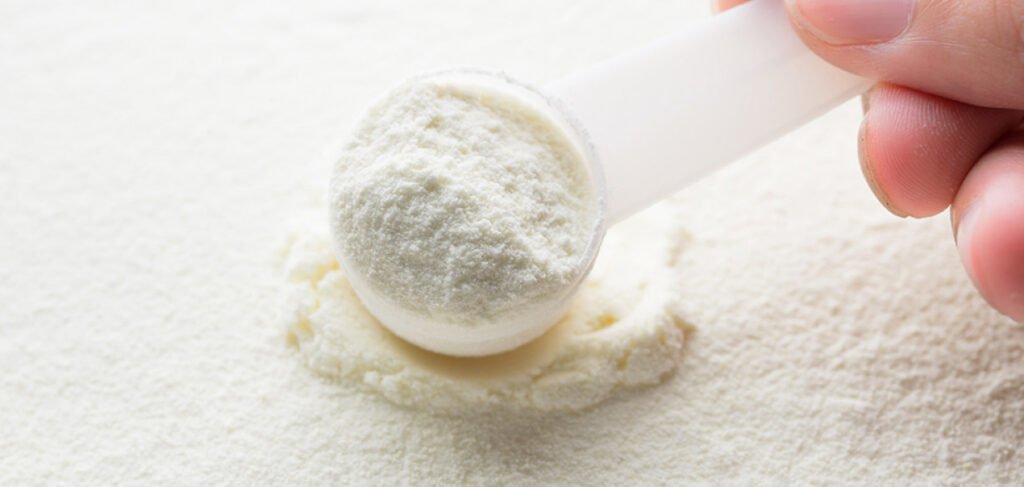
New Zealand is preparing to strengthen its position in India’s dairy ingredients market as a new free trade agreement introduces preferential access for selected dairy-derived products. The agreement could reshape competition in the whey protein segment, creating new opportunities for New Zealand exporters while increasing competitive pressure on European suppliers serving India’s growing food processing and specialised nutrition industries.
According to DCA Market Intelligence, New Zealand’s improving price competitiveness and expanding production could help it capture a larger share of Indian demand for whey protein ingredients. However, the actual impact on European exports will depend on tariff eligibility, quota utilisation, product specifications and the pricing strategies adopted by competing suppliers.
Preferential Trade Access Could Reshape India’s Whey Protein Market
The New Zealand–India Free Trade Agreement, signed on 27 April 2026, is scheduled to enter into force on 20 October 2026. It introduces a tariff-rate quota for milk albumin, including concentrates containing two or more whey proteins, with preferential tariff treatment for eligible imports within the quota.
New Zealand’s Ministry for Primary Industries has listed an annual quota of 1.5 million kilograms for this product category. The quota is subject to allocation and applicable eligibility requirements, meaning exporters must secure the necessary authorisations to benefit from the preferential arrangement.
This distinction is important for the dairy industry because not every whey protein product automatically qualifies for the same tariff treatment. Milk albumin and whey protein concentrates may fall under different tariff classifications depending on their composition and the applicable customs rules.
The agreement also provides for tariff reductions on bulk infant formula and other dairy-based preparations over seven years. Additionally, it establishes a commitment to duty-free access for ingredients, including dairy products, when imported into India for further manufacturing and export, subject to the agreement’s conditions.
These provisions could support New Zealand suppliers seeking closer commercial relationships with Indian food manufacturers, nutrition companies and dairy ingredient processors.
EU Suppliers Face Increasing Competitive Pressure
European dairy companies have established positions in international markets for specialised ingredients, including whey proteins used in nutritional products, sports nutrition, processed foods and food manufacturing.
Preferential access for New Zealand suppliers could alter purchasing decisions among Indian importers, particularly when differences in landed prices become commercially significant. If eligible New Zealand products become more competitive, Indian buyers may reconsider sourcing arrangements or diversify their supplier networks.
However, the scale of this competitive shift remains uncertain. European suppliers’ performance will depend on product quality, protein concentration, functional properties, supply reliability, contractual arrangements and the final cost of imported ingredients.
European companies may respond by strengthening customer relationships, offering specialised formulations, improving supply chain efficiency and focusing on higher-value ingredients where technical performance and product consistency influence purchasing decisions.
Key Developments for the Dairy Ingredients Trade
| Market factor | Potential implication |
|---|---|
| New Zealand–India FTA | Preferential access for eligible products |
| Milk albumin quota | 1.5 million kg annually |
| Bulk infant formula | Tariff reductions phased in over seven years |
| Indian food processing | Potential access to competitively priced dairy ingredients |
| EU whey suppliers | Greater competition for eligible product segments |
| Export-oriented manufacturing | Potential opportunities under applicable duty-free provisions |
Source: New Zealand Ministry for Primary Industries and New Zealand Trade and Enterprise.
India’s Expanding Demand Creates New Opportunities
India’s food processing and specialised nutrition sectors offer opportunities for international dairy ingredient suppliers. Whey-derived ingredients can support the production of protein-enriched beverages, nutritional formulations, bakery products and other processed foods.
For Indian manufacturers, access to a broader range of international suppliers could create opportunities to compare prices, diversify procurement and develop new products. Companies importing ingredients for further processing and re-export may also benefit from the agreement’s relevant manufacturing provisions, subject to compliance requirements.
Nevertheless, commercial success will depend on more than tariff reductions. Importers must consider exchange rates, shipping expenses, product specifications, food safety requirements and the reliability of supply. Domestic demand, consumer purchasing power and competition among finished-product manufacturers will also influence how much additional imported material the market can absorb.
What the Agreement Means for the Global Dairy Industry
The agreement highlights how trade policy can influence competition in specialised dairy ingredients, even when preferential access applies only to defined products and quantities.
New Zealand exporters could gain an advantage in eligible segments of India’s market, while European suppliers may need to reinforce their value propositions and review their pricing strategies. Indian processors, meanwhile, could gain additional sourcing options and opportunities to develop value-added dairy products.
The longer-term outcome will depend on how quickly exporters secure quota allocations, how effectively tariff preferences translate into lower landed costs, and how Indian buyers respond to changing market conditions.
For the global dairy industry, the New Zealand–India agreement is a development worth monitoring as suppliers compete for a larger share of India’s specialised nutrition and food processing markets.