


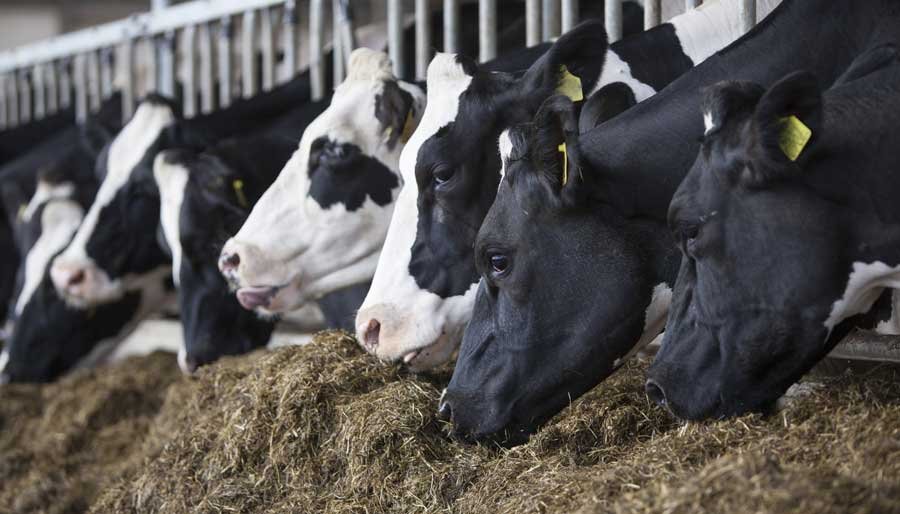
Heat-stable probiotic designed for lactating dairy cows aims to improve milk yield, nutrient utilisation and farm profitability amid rising feed costs.
Novonesis has launched Bovacillus, a Bacillus-based probiotic designed for lactating dairy cows, as dairy producers worldwide face rising feed costs and increasing pressure to improve milk production efficiency. The company describes the product as Europe’s first Bacillus probiotic specifically developed for lactating dairy cows, positioning it as a solution to support animal health, feed utilisation and dairy farm profitability.
The launch highlights the growing role of microbial feed additives in modern dairy farming, where improving productivity without significantly increasing input costs has become a major priority.
Addressing Rising Feed Costs in Dairy Farming
Feed is one of the largest expenses in dairy production, accounting for approximately 60–70 per cent of total milk production costs in many production systems, according to the information accompanying the product launch. Rising prices for feed ingredients, including grains, oilseed meals and other nutritional inputs, have intensified pressure on farmers to maximise returns from every kilogram of feed consumed by their herds.
Bovacillus is designed to improve feed efficiency by supporting digestive health and nutrient utilisation. Novonesis said the probiotic acts in both the rumen and intestines, helping support fibre digestion, gut health and the conversion of feed into milk.
Efficient digestion is particularly important for lactating cows, whose nutritional requirements increase during milk production. By helping animals extract more usable energy from their feed, the probiotic aims to direct a greater share of available nutrients towards productive functions.
Reported Improvements in Milk Yield and Composition
According to Novonesis, Bovacillus can increase milk production by approximately one kilogram per cow per day. The company also reports a 3.7 per cent improvement in feed efficiency, potentially allowing farmers to obtain more milk from the same quantity of feed.
The company further states that the product can support milk composition by improving protein, fat and lactose output. These components are important for milk quality, processing performance and the commercial value of dairy production, although their economic benefits depend on milk pricing arrangements and individual farm conditions.
The reported results are particularly relevant to commercial dairy farms managing large herds, where even modest changes in daily milk yield or feed conversion can influence overall production economics. However, actual results may vary according to breed, ration formulation, lactation stage, herd health and farm management practices.
Heat Stability Enables Flexible Feed Applications
A key feature of Bovacillus is its reported heat stability. The probiotic can withstand temperatures of up to 95°C, allowing it to be incorporated into different feed formats and potentially broadening its use across dairy production systems.
These applications include:
-
Pelleted dairy cattle feed
-
Premixes and mineral blocks
-
Mash feed and liquid feed
-
Total mixed rations (TMR)
This flexibility may help feed manufacturers and dairy farmers integrate the product into existing feeding programmes without making substantial changes to established feed systems. Heat stability is especially relevant during feed processing, when elevated temperatures can affect the viability of conventional microbial additives.
Novonesis said Bovacillus is supported by five years of commercial use and approximately 1.5 million users globally before its European launch. The company also cited nine peer-reviewed publications and 12 mode-of-action studies as part of its scientific evidence base.
Growing Role of Probiotics in Dairy Nutrition
The launch reflects a broader shift towards biological solutions in livestock nutrition. Probiotics and other microbiome-focused technologies are attracting interest as producers seek alternatives and complements to conventional feed additives.
For the dairy industry, the potential benefits extend beyond milk output. Better feed utilisation may help reduce the amount of feed required per unit of milk produced, supporting resource efficiency and potentially improving the environmental footprint of milk production.
Nevertheless, farm-level profitability depends on the cost of supplementation, measurable production responses and local feed and milk prices. Independent evaluation under different feeding conditions remains important when assessing commercial performance.
Implications for the Global Dairy Industry
As dairy farmers navigate volatile input prices, changing consumer expectations and sustainability requirements, innovations that improve nutritional efficiency are becoming increasingly significant. Bovacillus represents Novonesis’ contribution to this evolving market, combining heat-stable probiotic technology with a focus on lactating cow performance.
For dairy producers, feed manufacturers and nutrition specialists, the product’s commercial value will ultimately depend on consistent results, practical integration into feeding systems and a demonstrable return on investment. Its launch underscores the industry’s continuing search for science-based approaches that balance milk productivity, animal health and the long-term economic sustainability of dairy farming.