


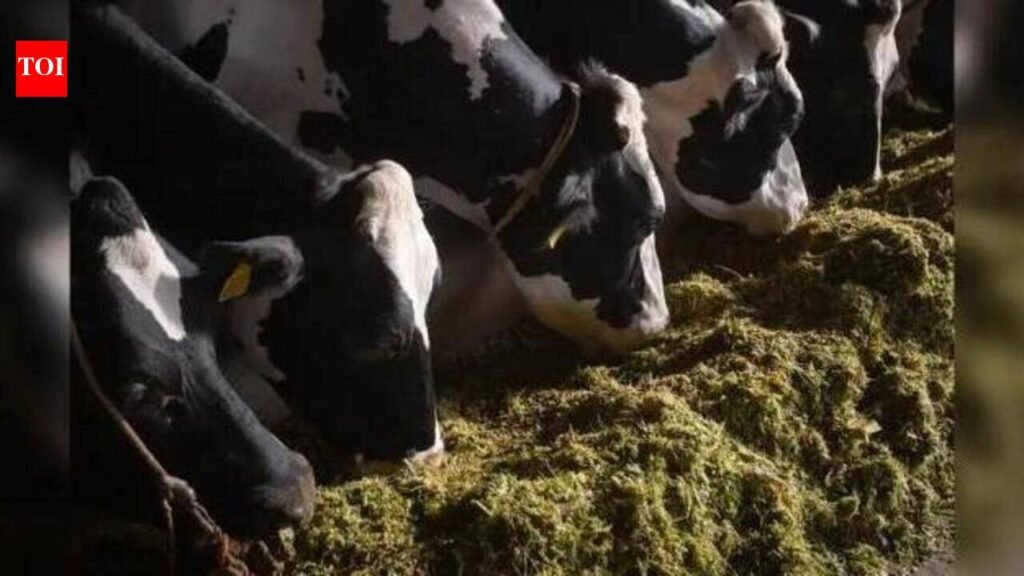
Dairy farmers and livestock herders in Palnadu district, Andhra Pradesh, are facing mounting challenges as fodder shortages, declining water availability and rising feed prices increase livestock maintenance costs and threaten milk production. The worsening situation, particularly around Macherla, Durgi and Veldurthi, has raised concerns about rural livelihoods and the resilience of the region’s dairy sector amid fears of El Niño-related weather disruptions.
According to a report by The Times of India, inadequate rainfall and groundwater depletion have dried up grazing areas and local water sources. Farmers who traditionally depend on rain-fed fields, forest fringes and village ponds are increasingly being forced to purchase expensive fodder and travel longer distances to secure drinking water for their animals.
Rising Fodder Costs Put Dairy Farmers Under Pressure
One of the most immediate challenges facing livestock owners is the sharp increase in dry fodder prices. Reduced cultivation and water scarcity have limited the availability of agricultural residues, particularly paddy straw, which is an important feed resource for cattle and buffaloes.
The price of a bundle of paddy straw has reportedly increased from approximately ₹80 to ₹240 within a month, tripling the cost for livestock owners. This sudden increase places considerable pressure on small and marginal farmers, who often operate with limited financial reserves and rely on affordable crop residues to feed their animals.
Vadithe Jyotibai, a livestock owner from Srirampuram Thanda, said that grazing land in nearby fields and forests had become depleted. With more than 500 animals in the settlement, including her own 10 animals, residents face growing difficulties in maintaining their livestock without rainfall.
Higher feed expenses can directly affect dairy farm profitability. When farmers cannot afford adequate quantities of nutritious fodder, animals may experience nutritional stress, potentially reducing milk yields and affecting their overall productivity. Prolonged shortages can also increase the risk of livestock health problems and reproductive difficulties.
Water Scarcity Disrupts Livestock Management
Water shortages have compounded the fodder crisis. Streams, canals and ponds have reportedly dried up, forcing livestock owners to travel longer distances to obtain drinking water for their animals.
The challenge is particularly serious for buffalo rearing, which depends on reliable water availability and sufficient feed. Tegala Sankar of Mandadi village explained that some herders rear buffaloes under contractual arrangements for approximately ₹600 per animal each month. However, increasing fodder costs are making these arrangements progressively harder to sustain.
The shortage is also disrupting traditional grazing practices. Shepherds who generally move towards areas around the Nagarjuna Sagar Right Canal later in the year are reportedly searching for alternative grazing grounds earlier than usual. Some have travelled as far as Tenali in search of available pasture.
Such changes can increase transportation and labour requirements while reducing the time available for other livestock management activities.
El Niño Concerns Raise Questions About Future Milk Supply
The looming possibility of El Niño has intensified concerns about rainfall and groundwater replenishment. However, its eventual impact will depend on actual seasonal weather conditions and cannot be determined solely by the current shortages.
Official figures cited in the report indicate that Macherla, Durgi and Veldurthi together account for approximately 1.84 lakh animals across cattle, buffaloes, sheep, goats and poultry.
| Area | Reported livestock population |
|---|---|
| Veldurthi | 56,743 |
| Macherla town and mandal | 1,01,013 |
| Durgi | 26,511 |
| Total | 1,84,267 |
The scale of livestock ownership highlights the importance of reliable fodder and water supplies for the local agricultural economy. If the shortages persist, dairy farmers could face lower milk output, reduced household income and higher production costs. These pressures may also affect milk collection volumes and the supply of raw milk to dairy processing facilities.
Government Support Needed to Protect Dairy Livelihoods
CPM district joint secretary Banda Mahesh has urged the state government to provide free or subsidised fodder and develop public lands into fodder farms to protect livestock and rural livelihoods.
Potential relief measures include establishing emergency fodder distribution centres, improving drinking-water access, encouraging fodder cultivation and preserving crop residues for animal feed. Strengthening local fodder banks and promoting drought-resilient forage varieties could also help communities prepare for future dry periods.
For Palnadu’s dairy sector, immediate support will be essential to help farmers manage rising expenses and maintain animal health. Longer-term investment in water conservation, fodder production and climate-resilient livestock management will be equally important in reducing vulnerability to recurring drought conditions.
The developing crisis demonstrates how weather-related resource shortages can affect the entire dairy value chain, from animal nutrition and farm profitability to milk production and rural economic stability.