


The Philippines is expected to increase grain imports as growing demand from the livestock and poultry industries coincides with weather-related pressure on domestic corn production. According to the latest Grain and Feed Update from the USDA Foreign Agricultural Service (FAS) in Manila, El Niño risks, high fertilizer costs and currency depreciation are reshaping the country’s animal feed market.
Corn and wheat remain important ingredients in livestock and poultry feed. However, changing grain availability and rising import costs are creating challenges for feed manufacturers and animal protein producers.
Corn Production Faces Weather and Cost Pressures
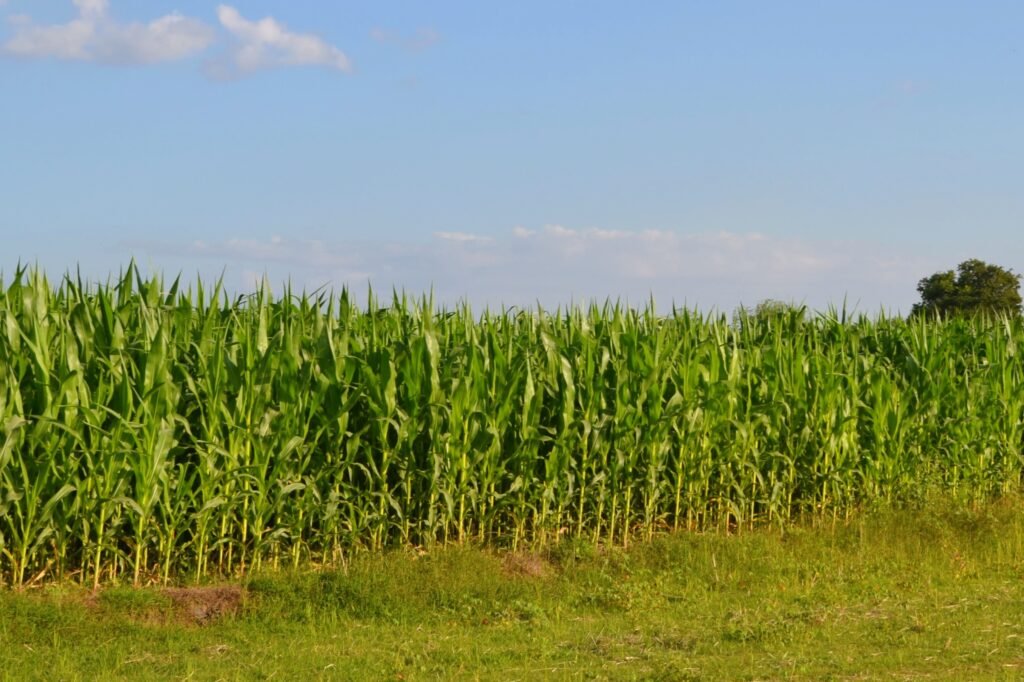
Philippine corn production for Marketing Year (MY) 2026/27 is forecast at 8.05 million tonnes. Although the harvested area is expected to remain steady, irrigation stress, drier weather and elevated fertilizer costs are likely to limit yields.
At the same time, rising feed consumption is supporting demand for imported grain. Estimates for MY 2025/26 have been revised upward to reflect stronger feed use and actual trade volumes.
Ending corn stocks are projected to increase by 9% in MY 2026/27, as higher carryover supplies and imports are expected to outweigh lower domestic production.
The Philippine Department of Agriculture is reviewing a proposed expansion of corn import quotas. In a related development, the Department of Agriculture and the Department of Energy are exploring the potential use of corn as a feedstock for bioethanol production.
These policy decisions could influence grain availability, domestic prices and competition between food, feed and industrial uses.
Wheat Remains Important Despite a Shift Toward Corn
Wheat consumption and imports are forecast to remain broadly steady in MY 2026/27, while feed use is expected to shift back toward corn.
For MY 2025/26, estimates for wheat consumption and imports were raised following stronger demand for feed wheat, even as exports declined amid softer demand for pasta.
Australia remains the dominant supplier of feed wheat to the Philippines. However, depreciation of the Philippine peso against the Australian dollar has increased the cost of imported supplies, putting additional pressure on feedmillers and livestock producers.
Wheat ending stocks are expected to decline modestly in MY 2026/27, as lower imports outweigh higher beginning stocks and a slight reduction in consumption.
Meanwhile, anti-dumping duties on Turkish flour imports, which have been in place since 2015, are due to expire in January 2027 and face renewed pressure to lapse. Any change could influence flour trade and broader grain-market dynamics, although its direct impact on feed wheat availability remains uncertain.
Feed Energy Supply Expected to Tighten
Total animal feed energy supply, measured in corn-equivalent terms, is forecast to decline by 2.2% in MY 2026/27.
Corn supply is expected to increase slightly, but wheat’s contribution is projected to fall by 7.4% as feed consumption shifts toward corn. Currency depreciation and the relative availability of imported grain are among the factors influencing this transition.
Changes in feed supply are particularly important because the Philippines continues to expand animal protein production.
Chicken output is forecast to grow by 6.5% in 2026 compared with 2025, while pork production is expected to increase by 1.5%. Aquaculture and chicken egg production are also showing strong growth.
This expansion reinforces the importance of maintaining affordable and reliable supplies of feed ingredients. Higher grain prices can increase production costs for poultry and livestock farmers, potentially affecting producer margins and the affordability of animal protein.
Currency and Policy Decisions Shape Import Costs
The depreciation of the Philippine peso is increasing the local-currency cost of imported corn and wheat. Feed manufacturers remain exposed to international price movements and exchange-rate volatility, making procurement planning more challenging.
Policy measures also differ across agricultural commodities. The government has halted premium-grade rice imports to protect domestic farmers, while rice import tariffs are automatically indexed to world prices. Similar adjustments have not been introduced for corn and wheat, leaving feed grain importers more exposed to fluctuations in international markets.
The Department of Agriculture’s review of corn import quotas could therefore be important for balancing domestic production, import availability and the requirements of the animal feed industry.
El Niño Adds Uncertainty to Feed Security
The possible intensification of El Niño later in 2026 presents an additional risk to irrigation, corn yields and domestic grain availability.
Government programmes promoting drought-tolerant seeds, solar-powered irrigation and alternative crops could help farmers adapt to changing weather conditions. However, the Philippines is expected to remain dependent on imported feed grains in the near term.
For the dairy, poultry, livestock and aquaculture industries, developments in the grain market will remain important determinants of feed costs and production planning. Ensuring dependable access to competitively priced corn and wheat will be essential to supporting animal productivity, protecting farmer margins and sustaining the country’s expanding animal protein supply chain.