


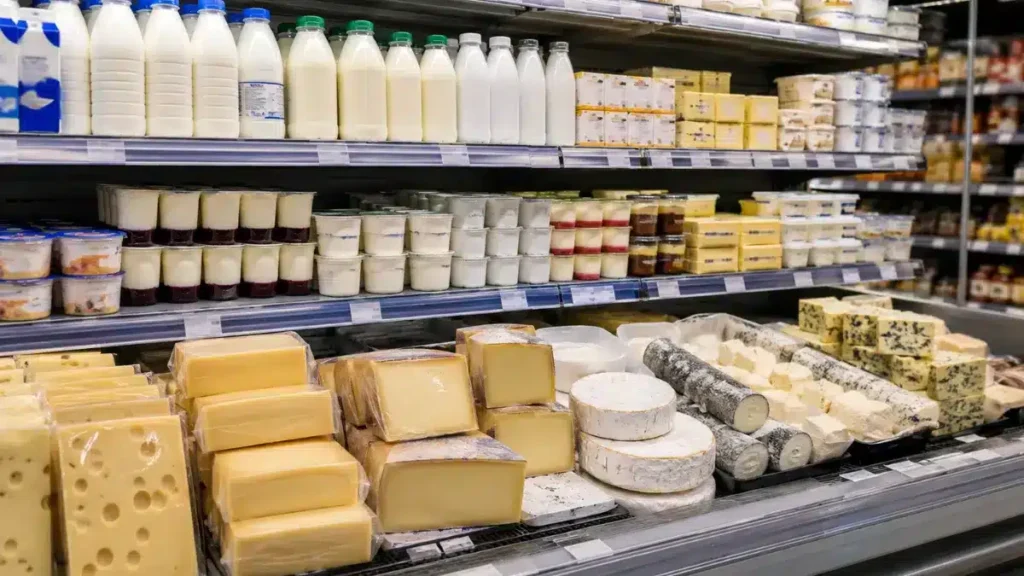
The Philippines dairy market is entering a period of steady expansion as changing consumer preferences, rising incomes, urbanization and growing demand for nutritious and convenient foods create new opportunities across the industry.
According to the latest insights from IMARC Group, the Philippines dairy market was valued at USD 4.2 billion in 2025 and is projected to reach USD 6.8 billion by 2034, registering a compound annual growth rate (CAGR) of 5.34% between 2026 and 2034. The market is estimated to reach USD 4.5 billion in 2026.
Health awareness and changing lifestyles support demand
Growing consumer interest in protein-rich and nutritious foods is becoming an important driver for dairy consumption in the Philippines. Milk, cheese, yogurt, butter and other dairy products are benefiting from changing dietary preferences, particularly among urban consumers.
Rising household incomes are also encouraging consumers to explore a broader range of dairy products. Beyond traditional offerings, demand is expanding toward premium and value-added products such as flavored milk, Greek yogurt, imported cheeses and other specialty dairy products.
Urbanization is further influencing purchasing patterns. Consumers with increasingly busy lifestyles are showing greater interest in convenient food and beverage options, creating opportunities for packaged and ready-to-consume dairy products.
The trend is also encouraging manufacturers to diversify their portfolios and respond to changing nutritional preferences.
Foodservice sector emerges as another growth engine
The expansion of the Philippine foodservice industry is providing another source of demand for dairy products.
Quick-service restaurants, coffee shops, bakeries and local food establishments require significant quantities of milk, cheese, butter, cream and other dairy ingredients. The continued expansion of these businesses is therefore expected to support demand throughout the dairy supply chain.
Coffee culture is particularly relevant, with milk and cream increasingly used across coffee-based beverages. Bakeries and food manufacturers also depend on dairy ingredients for a wide range of products.
Government-supported school milk feeding programmes could provide an additional source of demand while contributing to efforts to strengthen domestic dairy production.
Premium and functional dairy create new opportunities
The market is also seeing opportunities in functional and premium dairy categories. Products such as probiotic yogurt, organic milk, lactose-free dairy and fortified products are increasingly aligned with consumer interest in health and nutrition.
| Market driver | Potential impact |
|---|---|
| Rising incomes | Higher demand for premium dairy |
| Health awareness | Growth in protein-rich and functional products |
| Urbanization | Greater demand for convenient dairy |
| Foodservice expansion | Increased demand for dairy ingredients |
| E-commerce | Wider consumer access |
| Cold-chain development | Improved distribution of perishable products |
Digital commerce is creating another route for dairy companies to reach consumers. E-commerce and direct-to-consumer distribution can expand access beyond major urban centres, while improvements in cold-chain logistics can support the movement of temperature-sensitive dairy products into underserved provincial markets.
Investment opportunities across the dairy value chain
The expected market expansion could create opportunities beyond consumer-facing dairy products. Dairy farming, processing, foodservice, retail, e-commerce, cold-chain logistics and dairy ingredient manufacturing could all benefit from increased demand.
Government initiatives, foreign investment and technology transfers may also contribute to the modernization of the sector and support the development of domestic dairy capabilities.
With consumers increasingly seeking nutritious, convenient and diverse food options, the Philippine dairy industry is positioned for continued development. The projected increase from USD 4.2 billion in 2025 to USD 6.8 billion by 2034 highlights the scale of the opportunity for businesses seeking to participate in the country’s evolving dairy value chain.