


Context
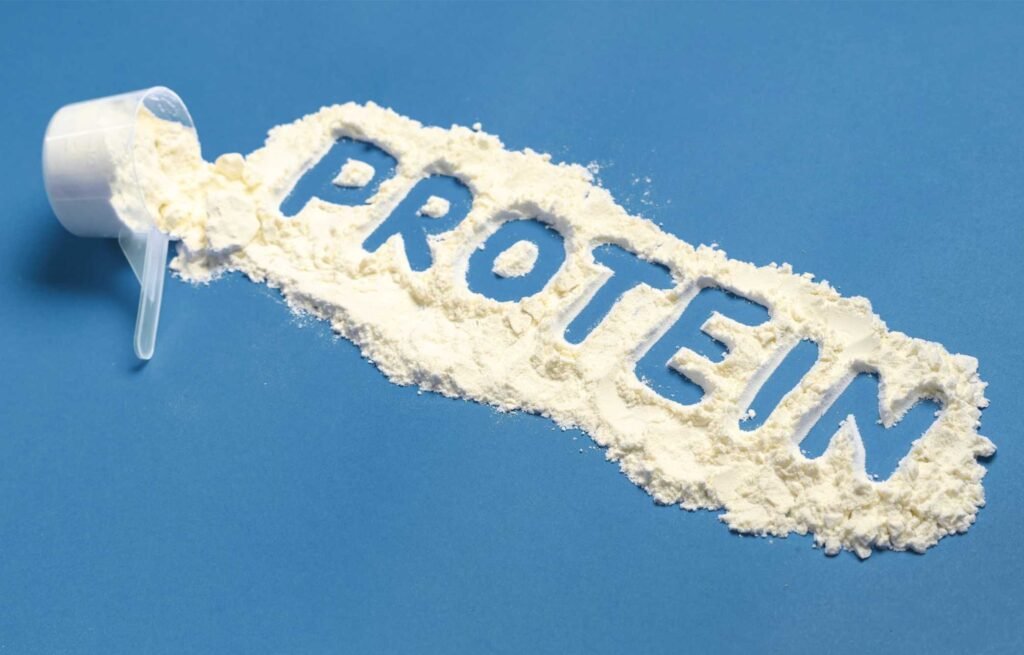
In recent times, the dairy industry has been transitioning toward nutrition-led and functional foods. Protein enhances the nutritional value of milk and increases its economic worth. Among milk solids, protein is the most monetisable and value-accretive component. It is the key driver of margins in whey, cheese, dairy ingredients, derivatives, and nutrition-focused portfolios.
Despite its clear economic importance, current milk pricing systems in India do not explicitly recognise protein. Instead, it remains bundled within SNF (Solids-Not-Fat), effectively rendering it an invisible component from a pricing standpoint. As a result, protein is often underpriced relative to its true economic contribution.
Protein valorisation can transform milk pricing from a cost-based procurement model into a value-linked economic system. Paying separately for protein would ensure that farmers are rewarded not just for quantity, but for quality. This, in turn, encourages better feeding practices, improved animal health, genetic advancement, higher productivity, and modernised farm systems.
Composition of SNF in Milk
The composition of SNF can be broadly simplified as follows:
- Cow Milk SNF: Protein 37% | Lactose 55% | Others 8%
- Buffalo Milk SNF: Protein 40% | Lactose 53% | Others 7%
Lactose is a disaccharide carbohydrate composed of glucose and galactose, and it constitutes the primary carbohydrate fraction in milk.
Key Takeaways
- Buffalo milk SNF is materially richer in protein compared to cow milk SNF.
- Lactose dominates SNF by weight in both cow and buffalo milk.
- However, lactose carries significantly lower economic value than protein.
- Current SNF-based pricing implicitly overvalues lactose and undervalues protein.
Factors Determining Protein Content in Milk
Milk protein content is influenced by biological, nutritional, environmental and management factors:
- Breed & Genetics
- Buffalo breeds such as Murrah, Nili-Ravi, Mehsana, Jaffarabadi, Surti, and Bhadawari show variation in protein levels.
- Indigenous cow breeds (e.g., Sahiwal, Gir) differ from exotic or crossbred cows (Holstein Friesian, Jersey) in protein yield and composition.
- Selective breeding can improve milk protein percentage over generations.
- Stage of Lactation
- Early lactation: Higher protein percentage but lower overall volume.
- Late lactation: Protein percentage rises again as milk yield declines.
- Mid-lactation: Relatively lower protein percentage.
- Nutrition & Feeding
- Balanced diets with adequate energy, bypass protein, and essential amino acids (lysine and methionine) enhance protein synthesis.
- Fodder vs concentrate ratio: Higher energy diets improve microbial protein synthesis in the rumen.
- Poor fodder quality or protein deficiency reduces milk protein content.
- Animal Health
- Mastitis and metabolic disorders such as ketosis, acidosis reduce protein yield.
- Stress and poor immunity also lower protein conversion efficiency.
- Environmental & Management Conditions
- Heat stress reduces dry matter intake, lowering protein output.
- Feeding systems (stall-fed vs grazing) impact nutrient intake and thus milk composition.
- Longer milking intervals may concentrate protein.
- Seasonality
In India, milk protein content typically rises during winter (better fodder quality and cooler climate) and declines during summer due to heat stress and fodder scarcity.
Pricing Models for Milk in India
Milk pricing in India operates through cooperatives, private dairies, informal traders, and unorganised players. The key pricing models include:
- Fat-Based Pricing (Single Axis Traditional Model)
- Price depends solely on fat percentage in milk.
- SNF may subject to minimum thresholds along with fat, charging a penalty for SNF lower than the threshold.
- Commonly used in buffalo milk procurement.
- Still dominant in many cooperatives and private dairies.
- Fat + SNF Pricing
- Both fat and SNF are assigned weightage.
- Rates are derived from declared per-kg milk price and compositional percentages.
- Widely used for cow milk & mixed milk.
- Flat-Rate Pricing
- Farmers are paid a fixed price per litre, irrespective of composition.
- Common in small-scale and informal markets.
- Two-Part Pricing
- Base price (as per above models) plus quality-based bonuses.
- Bonuses linked to protein percentage, bacterial count, and absence of adulterants.
- May also include volume-based, frequency-based, seasonal, or modernisation incentives.
- Incentivizes farmers for hygiene and higher quality.
- Premium/Branded Milk Pricing
- Differentiated offerings such as A2 milk, organic milk, and high-protein milk.
- Often priced 2–4 times higher than conventional milk.
- E) Protein-Based Pricing: Economic Rationale
Although lactose dominates SNF by weight, its economic realisation is significantly lower than that of protein. Therefore, a value-based allocation approach is more aligned with economic reality.
- Value-Based Allocation Model (Illustrative)
Assuming equal share of cow and buffalo milk:
- Average Lactose ≈ 54% of SNF
- Average Protein ≈ 38.5%
- Minerals & Others ≈ 7.5%
Market realisation from downstream products suggests:
- Protein (casein, cheese yield, whey protein concentrate) commands significantly higher value.
- Lactose has comparatively lower market value.
- Minerals have minimal commercial value.
Market realisations from downstream products clearly demonstrate the value differential. For instance, whey protein typically commands nearly three times the market price of lactose (though this ratio may vary depending on grade and market conditions). This significant price gap justifies allocating a higher share of SNF value to protein.
If value allocation is aligned with relative market recovery:
- Protein: 65% of SNF value
- Lactose: 31%
- Minerals: 4%
After adjusting mineral allocation on volume basis, effective value share becomes:
- Protein ≈ 66.8%
- Lactose ≈ 33.2%
This illustrates the structural undervaluation of protein under current SNF pricing systems.
Key Considerations for Implementing Protein-Based Pricing
- A gradual shift toward value-based or differential protein pricing is advisable.
- Stakeholder awareness about protein’s economic significance is essential.
- Infrastructure, including NIR-based milk analysers, must support protein measurement at procurement points.
- Initial implementation may begin with protein-linked bonuses. Once the system gains maturity, then the pricing of milk could move on three axis bases.
- Adequate controls must prevent adulteration aimed at artificially increasing protein test values.
- FSSAI regulations already mandate minimum protein standards in products such as WPC, MPC, milk powders, infant formulae, infant cereals, and curd.
Protein deserves recognition both as a raw ingredient and as a finished-product value driver.
Conclusion
A transition to protein-based pricing cannot be implemented hastily. It requires stakeholder alignment, infrastructure readiness, trial validation of pricing formulas, and regulatory safeguards.
However, the current system does not explicitly recognise protein’s economic contribution. By continuing to bundle protein within SNF, its true value remains obscured.
Over time, protein valorisation is likely to evolve into a virtuous cycle — enhancing long-term farm income, improving Return on Capital Invested (ROCI), strengthening incentives across the farm-to-factory value chain, and enhancing the global competitiveness of the Indian dairy sector.
About the author:
Sandeep Goyal, The Value Alchemy
Sandeep Goyal is a seasoned finance and business leader with 33+ years Senior Operations Finance experience in Nestle. He has extensive experience on the milk value chain while working in Moga.
A distinguished alumnus, he graduated with distinction in Commerce from Punjabi University, Patiala (1987) and qualified as a Chartered Accountant (ICAI) in 1991. To strengthen his global perspective, he pursued advanced programs including Winning Sustainability Strategies at IMD Switzerland (2022) and a certification in Corporate Social Responsibility & BRSR Sustainability Reporting from ICAI.
Recently, Sandeep has laid the foundation of ‘The Value Alchemy’, a business and operations consulting firm focused on creating sustainable value for the businesses.