


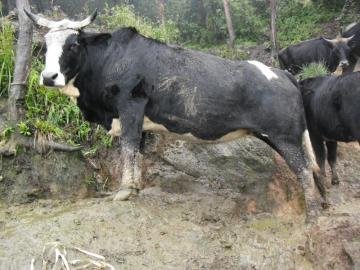
The Government of India is taking steps to strengthen the conservation and genetic improvement of indigenous cattle breeds with the proposed establishment of a Siri Bull Mother Farm at Chuchachen in Pakyong district, Sikkim. Hon’ble Union Minister Shri Rajiv Ranjan Singh, popularly known as Lalan Singh, Ministry of Fisheries, Animal Husbandry and Dairying (MoFA&D), will lay the foundation stone for the proposed facility.
The initiative aims to support the conservation and systematic development of the indigenous Siri cattle breed through scientific breeding practices, genetic improvement and sustainable livestock management. The proposed farm is expected to contribute to strengthening breeding infrastructure and supporting efforts to preserve valuable indigenous cattle genetic resources.
The establishment of the facility also reflects the importance of region-specific livestock development, particularly in India’s northeastern states, where indigenous breeds play a significant role in rural livelihoods and agricultural production systems.
Strengthening Indigenous Siri Cattle Genetics Through Scientific Breeding
Siri cattle are an indigenous breed associated with the eastern Himalayan region, particularly Sikkim and neighbouring areas. Adapted to the geographical and climatic conditions of mountainous regions, these animals represent an important component of the region’s livestock biodiversity.
Conservation of indigenous cattle breeds is essential for maintaining genetic diversity and preserving characteristics developed through generations of adaptation to local environments. These genetic resources can contribute to livestock resilience and support breeding programmes suited to specific regional production conditions.
The proposed Siri Bull Mother Farm will focus on supporting the availability of quality breeding bulls and strengthening systematic breeding activities. Through scientific selection and genetic improvement, the facility aims to contribute to the development of healthier and genetically improved cattle populations.
Structured breeding programmes can also help improve the availability of superior germplasm, supporting livestock owners and breeding institutions involved in indigenous cattle development.
Supporting the Rashtriya Gokul Mission
The initiative aligns with the objectives of the Rashtriya Gokul Mission (RGM), a centrally sponsored programme implemented by the Department of Animal Husbandry and Dairying (DAHD). The mission focuses on the development and conservation of indigenous bovine breeds, alongside improving their productivity through scientific breeding interventions.
Under the broader framework of the mission, initiatives such as breed conservation, genetic upgradation, artificial insemination services and improved breeding infrastructure contribute to strengthening India’s indigenous livestock sector.
The proposed farm in Sikkim represents an effort to extend organised breeding and conservation infrastructure to the northeastern region. Such facilities can support the preservation of indigenous genetic resources while encouraging the adoption of improved livestock breeding practices.
Promoting Sustainable Livestock Development in the Northeast
Livestock farming plays an important role in supporting rural households across Sikkim and other northeastern states. Indigenous cattle contribute to agricultural livelihoods and provide opportunities for integrating livestock rearing into local farming systems.
Establishing specialised breeding infrastructure can help improve access to quality breeding resources, strengthen institutional support and encourage scientific livestock management among farmers.
The initiative also highlights the importance of conserving indigenous breeds as part of India’s broader livestock development strategy. Maintaining genetic diversity is particularly relevant as the dairy and livestock sectors increasingly focus on productivity, climate resilience, animal health and sustainable farming practices.
The Siri Bull Mother Farm is expected to contribute to these objectives by supporting organised breeding and the long-term conservation of the Siri cattle breed.
As India continues to strengthen its indigenous bovine development programmes, investments in region-specific breeding infrastructure will remain important for protecting native genetic resources, supporting livestock farmers and promoting sustainable livestock development across the country.