


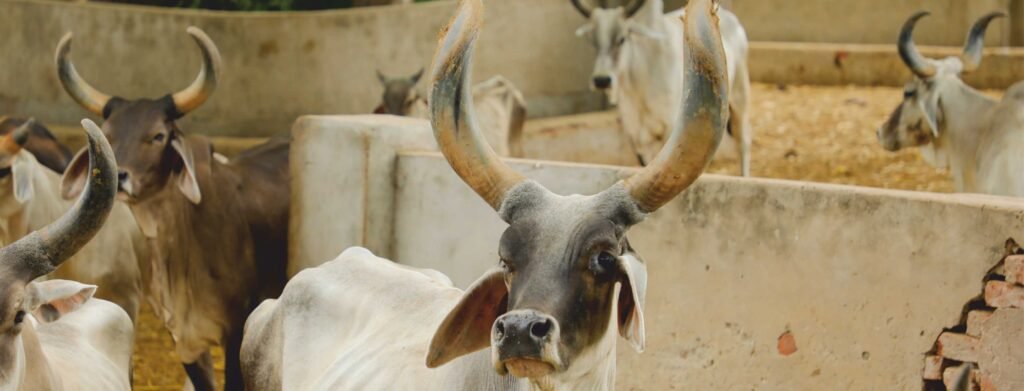


Mini dairy farms are increasingly being recognized as a viable model for small and medium-scale dairy entrepreneurs in India. When managed well, they offer a balance between profitability, sustainability, and manageable operational scale. However, to succeed, farmers must adhere to key principles involving land use, animal management, feed production, health care, and overall farm planning.
This article outlines essential components for building and running a successful mini dairy farm, drawing on best practices adapted to Indian conditions.
Foundational Requirements
Two baseline conditions are necessary for the long-term success and viability of a commercial mini dairy farm:
- Minimum 3 acres of land with reliable water access to grow adequate green fodder.
- Minimum daily milk production of 300 litres per farm to achieve economies of scale.
Farm Size and Labour Considerations
An optimal herd size is either:
20 cows in milk, each producing ~15 litres/day, or
15 cows in milk, each producing ~20 litres/day
- Family labour involvement is highly recommended to reduce costs and ensure hands-on supervision.
- Ideally, the farm owner should reside on the farm for close monitoring of animal health, feeding, and productivity.
- High-yielding cows (>20 litres/day) are generally not recommended for mini farms due to increased risk of metabolic disorders, mastitis, and fertility issues.
Cow Induction Strategy
Introducing animals into the farm should follow a staggered, sustainable process:
- Begin with 1/3 or 1/4 of the total planned herd, preferably first-lactation heifer cows.
- Introduce the 2nd and 3rd batches at 3–4 month intervals.
- Once established, focus on raising your own heifer calves with good genetics. Target:
Average daily weight gain of 400g or more.
First conception by ~18 months of age.
This reduces reliance on external cow purchases and improves long-term herd quality.
Maintain a system where old or low-yielding cows (4th/5th lactation or problem cows) are sold and replaced with in-farm raised pregnant heifers.
If external purchase is necessary, buy first-lactation cows at a price equivalent to what was received from selling 4th-lactation cows.
Green Fodder Cultivation
Green fodder is the backbone of economical and efficient dairy production.
- 1 acre of land with adequate water can support 5–7 crossbred cows producing 15–20 litres of milk/day.
- Based on this, land allocation for a 20-cow herd should ensure fodder self-sufficiency to minimize feed costs and improve:
Milk yield and quality
Cow fertility and health
Suggested land division per acre for fodder cultivation:
- 25 cents – CO4/CO 5 (Cumbu Napier hybrid)
- 25 cents – Super Napier (hybrid grass)
- 25 cents – COFS 29 (Multicut Fodder Sorghum)
- 25 cents – Desmanthus (leguminous fodder)
Tip: Begin silage making for year-round green fodder availability.
Essential Equipment for Daily Operations
- Brush cutter
- Chaff cutter
- Milking machines
- Cow mats
- Foggers and sprinklers
- Jet sprayers
These tools ensure efficiency, hygiene, and better cow comfort.
Animal Health Management
A robust health protocol is non-negotiable for any dairy operation:
- Foot-and-Mouth Disease (FMD) vaccination every 4 months for all cows, including pregnant animals.
- Calf deworming: Monthly up to 6 months of age, then every 2–3 months.
- Cow deworming: Immediately post-calving.
Reproductive Management and Calving
- Focus on timely heat detection and artificial insemination using quality semen from proven sires.
- Adopt modern, non-invasive pregnancy diagnosis techniques (e.g., IDEXX kits).
- Pay close attention during calving, feeding, and milking times to reduce stress and improve outcomes.
- Milking machines, used twice a day, improve efficiency. Start milking with the highest yielding cows and end with the lowest.
Mastitis Prevention
- Prevent cows from lying down for at least 30–60 minutes post-milking.
- Use antiseptic spray and teat dip solutions after milking.
- Dry teats using a clean cloth or tissue.
- Buy cows only from farms with no history of mastitis.
Mineral Nutrition
Daily supplementation with quality mineral mixtures containing calcium, phosphorus, and trace elements is essential for:
- Higher milk yield
- Improved milk quality
- Stronger immunity
- Enhanced reproductive performance
Recommended dose: 30–50 grams per cow per day
Feeding Management
- Feed 30–40 kg of green fodder per cow per day to reduce production costs.
- Use balanced compound cattle feed, rather than individual raw ingredients.
Feeding recommendations
1 kg of concentrate for maintenance
400 g of concentrate per litre of milk produced
Adjust feed quantity based on body weight, milk yield, fat %, pregnancy status, and quality/availability of green and dry fodder—preferably under the guidance of a veterinarian or dairy nutritionist.
This precision feeding approach optimizes costs and improves sustainability.
Record Keeping and Performance Goals
- Maintain daily records of milk yield, feeding, and calving.
- Set targets:
One calf per cow every 12–14 months
Use sexed semen for better female calf ratio
Maintain 60–70% cows in milk and pregnant at all times
Aim for at least 1/3 of cows in advanced pregnancy (7th–9th month) at any time
Limit herd size to 30–35 milking cows to ensure manageable labour needs given the current shortage of skilled workers.
Silage Making: Preserving Fodder for Year-Round Feeding
Silage is a practical solution for ensuring year-round green fodder availability.
Silage Process (using fodder maize as an example):
- Harvest maize at dough stage (30–35% dry matter).
- Chop the crop into small pieces.
- Wilt to reduce moisture content to ~30–40%.
- Pack tightly in airtight conditions (silo, pit, or bag).
- Allow anaerobic fermentation to preserve nutrients.
- Seal thoroughly to prevent spoilage.
Benefits of Silage:
- Nutrient preservation
- Year-round availability
- Improved milk production and quality
Best Practices:
- Monitor moisture content and prevent contamination.
- Maintain airtight storage conditions.
- Conduct regular quality checks.
Challenges in Silage Making
While silage offers numerous benefits for year-round green fodder availability and improved dairy productivity, successful silage making requires careful attention to certain key challenges. Addressing these proactively ensures high-quality silage and reduces losses.
Moisture Management
- Challenge: Excess moisture leads to poor fermentation, while too little can result in dry, unpalatable silage.
- Best Practice: Ensure the crop is wilted properly to maintain optimal moisture content (30–40%) before ensiling.
Contamination Risk
- Challenge: Soil, water, or organic debris contamination can introduce harmful bacteria and molds.
- Best Practice: Chop and handle fodder on clean surfaces and avoid contact with soil during harvesting and filling.
Inadequate Compaction
- Challenge: Poor packing leads to air pockets, which disrupt anaerobic fermentation and cause spoilage.
- Best Practice: Compact the silage tightly during filling to eliminate air and promote proper fermentation.
Improper Sealing
- Challenge: Incomplete sealing allows oxygen to enter, encouraging mold growth and nutrient loss.
- Best Practice: Use durable, airtight covers or bags and ensure edges are well-sealed with weights (like tires or sandbags) or soil.
Storage Conditions
- Challenge: Exposure to moisture, pests, or fluctuating temperatures can degrade silage quality.
- Best Practice: Store silage in shaded, protected areas and regularly inspect for leaks or damage.
Lack of Monitoring
- Challenge: Farmers often skip regular quality checks, leading to undetected spoilage or nutrient degradation.
- Best Practice: Periodically open small sections to assess silage smell, texture, and color; test nutrient content if possible.
Final Thoughts
Mini dairy farms can be profitable and sustainable if managed with attention to detail, proper planning, and commitment to best practices. However, one growing concern among farmers is the lack of skilled labour, which hinders scaling up operations. This challenge calls for collective action and innovation across stakeholders to support the government’s goal of doubling farmer incomes.
By following these practical guidelines, dairy farmers can enhance productivity, animal welfare, and long-term profitability in mini dairy operations across India.
by Dr. T. M. Gowrisankar, Independent Animal Nutritionist & Animal Feed Consultant