


Stable Pricing Reflects Market Equilibrium
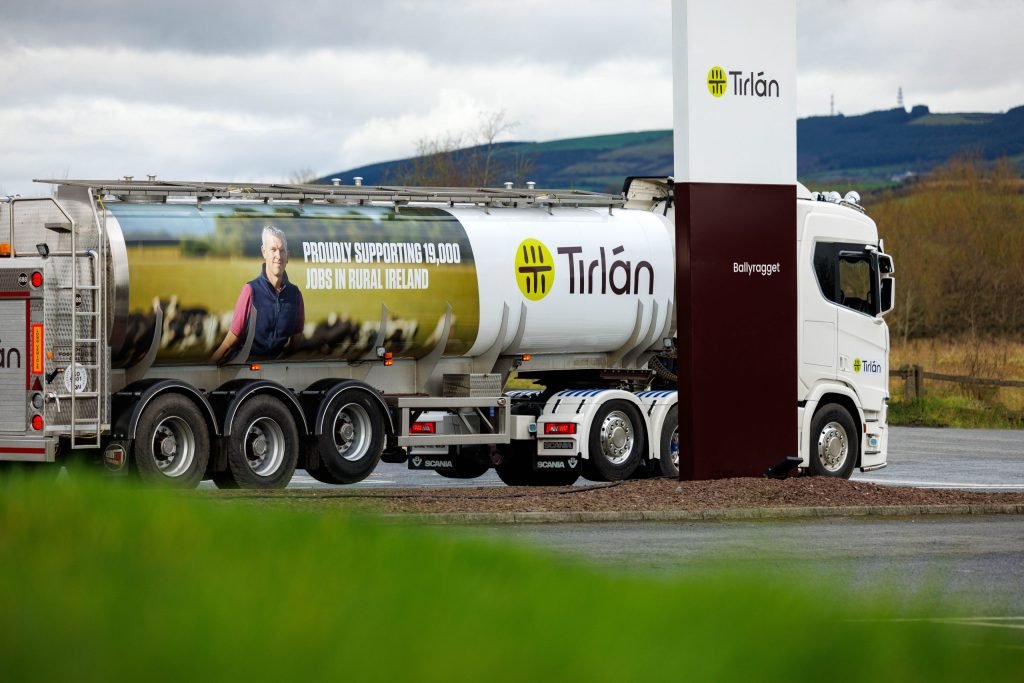
Tirlán has announced a steady milk price for February, signalling continued stability in global dairy markets. The payment structure, which includes base milk price components, reflects relatively unchanged conditions compared to previous months, offering producers a degree of predictability in an otherwise dynamic dairy market environment.
This stability comes at a time when dairy market updates globally point towards a more balanced supply-demand scenario. While price volatility has not completely disappeared, the current trend suggests that markets are stabilising after periods of fluctuation.
Predictability Supports Producers, but Margin Pressures Remain
For dairy farmers, stable milk procurement prices provide an essential foundation for planning and operational continuity. Predictability in pricing allows producers to better manage financial commitments and align production strategies with expected returns.
However, margins continue to be shaped by input costs and seasonal production factors. Feed prices, energy costs, and labour expenses remain key variables influencing profitability. This dynamic is increasingly evident across the Indian dairy industry, where cost management is becoming as critical as price realisation.
Global Demand Underpins Price Stability
Tirlán noted that global dairy markets are showing clear signs of balance, supported by steady demand across key regions. This demand is helping maintain price levels despite ongoing volatility in certain international markets.
The current equilibrium reflects a broader trend in milk industry news, where consistent consumption of dairy products, particularly value-added dairy products, is helping stabilise prices. At the same time, uncertainties linked to global trade flows and macroeconomic conditions continue to pose risks to long-term stability.
Seasonal Dynamics Shape Farm-Level Decisions
The February milk price holds particular importance as producers prepare for the spring production peak. This period typically brings increased milk output, placing additional pressure on farm resources and working capital.
Stable pricing offers some reassurance, but effective cash flow management remains essential. Farmers must balance rising production volumes with cost control measures to maintain financial stability during this critical phase of the production cycle.
Efficiency and Productivity Remain Key to Profitability
Under current pricing structures, efficiency gains are central to sustaining farm-level profitability. Improving herd productivity, optimising feed utilisation, and adopting modern dairy technology India practices can help mitigate the impact of cost pressures.
This focus on efficiency is becoming increasingly relevant in the dairy sector India, where competitiveness depends not only on production volumes but also on cost optimisation and value creation.
Implications for the Indian Dairy Industry
For stakeholders in the Indian dairy industry, stable global milk prices offer both reassurance and strategic direction. While domestic markets remain relatively insulated, global trends continue to influence long-term planning, particularly in the context of dairy export news and value-added dairy products.
Strengthening supply chains, improving processing capabilities, and aligning with global demand trends will be crucial for sustaining growth in an evolving dairy landscape.
Outlook: Stability with Underlying Uncertainty
The current phase of price stability reflects a balanced global dairy market supported by steady demand and controlled supply. However, uncertainties related to international trade, input cost fluctuations, and regional production challenges remain.
As India dairy trends continue to evolve, stakeholders must adopt a cautious yet proactive approach. Stability in milk prices provides a platform for growth, but long-term success will depend on resilience, efficiency, and strategic adaptation across the dairy value chain.