


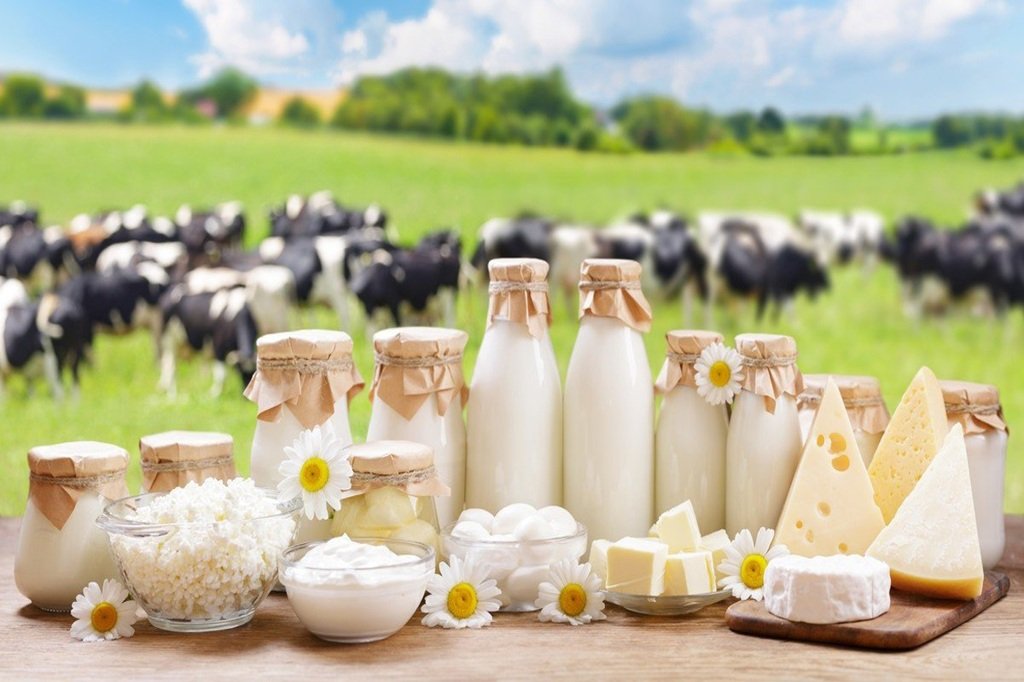
Sterling Agro Industries’ Nova Dairy believes that 2025 marked a turning point for India’s dairy and food & beverage sector, with value-added milk products emerging as a key growth driver amid changing consumer expectations and industry-wide innovation.
According to Ravin Saluja, Director, Nova Dairy, India’s dairy sector was traditionally driven by volumes, with liquid milk forming the backbone of growth for decades. However, this approach has steadily evolved, and by 2025, value-added dairy products moved to the centre of industry strategy.
Consumers today are far more informed. They read labels, compare brands, and care about food safety and nutrition. While liquid milk continues to be essential, growth has clearly shifted toward products that offer convenience, longer shelf life, and standardised quality,” Saluja said. Products such as ghee, butter, paneer, curd-based items, flavoured milk, and milk powders have gained strong traction, aligning well with modern consumption habits.
Food safety concerns also played a decisive role. Heightened awareness around adulteration and inconsistent quality pushed consumers toward organised dairy players with robust testing, certifications, and transparent sourcing. Saluja noted that value-added dairy cannot scale without stringent quality control, which has helped distinguish serious manufacturers from informal operators.
From a business perspective, value addition has helped dairies manage procurement volatility. “Milk prices fluctuate due to seasonality, weather, and feed costs. Companies dependent only on liquid milk face unstable margins. Value-added products enable better inventory planning, smoother operations, and more stable procurement for farmers,” he explained.
Health awareness continued to influence demand throughout the year. While dietary habits did not change overnight, consumers increasingly preferred dairy products perceived as cleaner and lighter. Segments such as skimmed milk powder, fermented dairy, and low-fat options maintained steady demand even amid price sensitivity.
Exports added further momentum. In 2025, Indian dairy exports focused more on processed and compliant products rather than bulk shipments. International requirements for documentation, certifications, and audits pushed manufacturers to strengthen systems benefiting both export and domestic markets.
Operational excellence, rather than marketing alone, emerged as the real differentiator. “Efficient processing, cold-chain logistics, skilled manpower, and R&D-backed plants handled scale far better than fragmented systems,” Saluja said.
He concluded that value-added dairy is no longer a niche or premium category. “It is becoming the foundation of sustainable growth in India’s dairy sector. The future belongs to companies that build trust through consistency, quality, and respect for the entire supply chain.”