


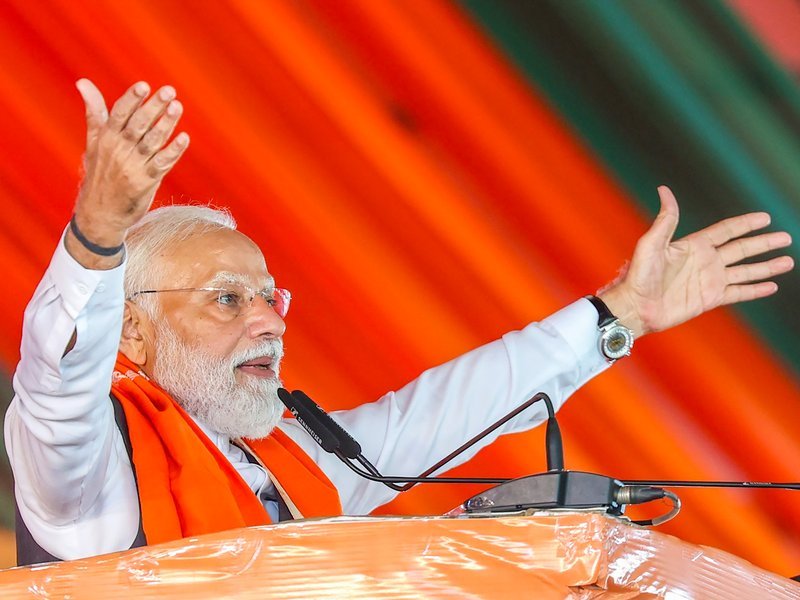
Prime Minister Narendra Modi has brought global attention to the World Bank’s recent commendation of India’s dairy sector, sharing a report that underscores the cooperative model’s role in large-scale job creation. The Office of the Prime Minister (PMO) highlighted comments by World Bank President Ajay Banga, who identified India’s rural architecture as a primary blueprint for development strategy. The endorsement, shared via the social media platform X, signals a high-level alignment between India’s domestic successes and the World Bank’s evolving global development agenda.
A Strategy for Dignity and Growth
Speaking ahead of the World Bank and IMF Spring Meetings in Washington, Ajay Banga emphasised that development must pivot from charity to strategy. With 1.2 billion young people expected to enter the global workforce over the next 15 years, Banga warned of a looming demographic crisis if job creation remains stagnant. He identified agriculture—specifically dairy—as a critical sector capable of providing “hope and dignity” through organised economic opportunity.
The Indian Model as a Global Standard
The Prime Minister’s decision to highlight this specific report underscores the geopolitical and economic value of the “Amul model.” By integrating technology with grassroots organisation, India’s dairy cooperatives have successfully connected small-scale producers to vast consumer markets, ensuring transparent pricing and financial stability. Banga’s personal reflection on his upbringing in India added weight to his assessment, noting that these structures are not just local successes but scalable solutions for emerging economies worldwide.
Implications for the Dairy Industry
The PMO’s amplification of this narrative suggests continued political and fiscal support for the cooperative sector. For dairy processors and exporters, this high-level visibility is likely to:
- Attract Multilateral Investment: Increased focus from the World Bank may lead to new funding avenues for rural cold chains and dairy technology.
- Enhance Export Prestige: The global “stamp of approval” from the World Bank elevates the brand equity of Indian dairy products in international markets.
- Accelerate Digitisation: To maintain the “technology and organisation” edge cited by Banga, the industry will see a push for further digitisation in milk procurement and payments.
Forward-Looking Insight
The Prime Minister’s spotlight on this endorsement indicates that dairy is no longer viewed merely through the lens of food security, but as a primary engine of India’s “employment-led growth” narrative. As India prepares for the IMF and World Bank meetings, we expect the government to position its dairy cooperative expertise as a strategic export, offering a proven framework to other developing nations facing similar demographic pressures.
d Bank, India Dairy, Cooperatives, Job Creation, Rural Economy, Dairy Dimension