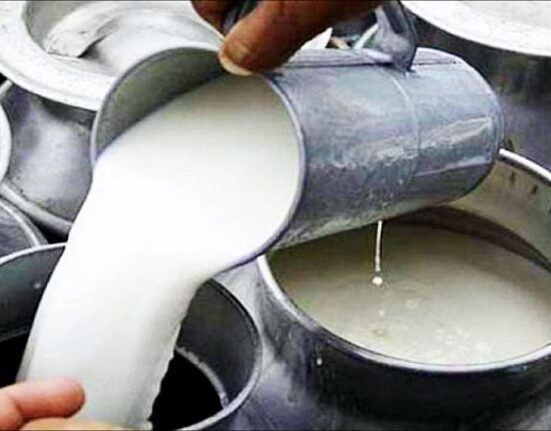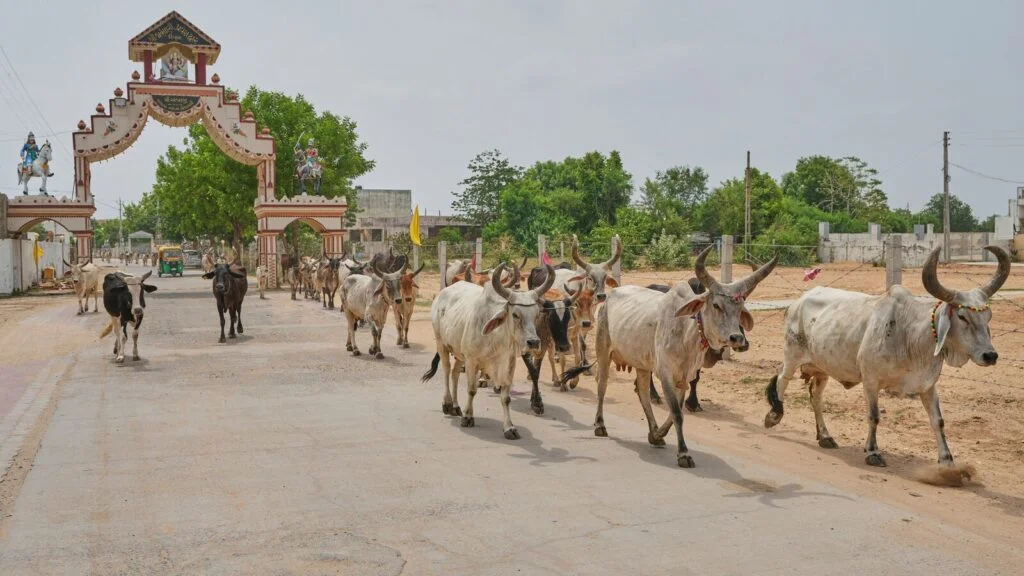
India continues to dominate the global dairy landscape, accounting for nearly one-fourth of the world’s milk production. With global milk output estimated at approximately 966 million tonnes, India produced around 239 million tonnes in 2023–24, supported by a per capita availability of 471 grams per day. This scale not only reinforces India’s position as the world’s largest milk producer but also underlines dairy’s central role in national food and nutritional security.
A key structural advantage lies in India’s milk composition. Cow milk contributes nearly 50% of total output, while buffalo milk accounts for about 44%, giving India a natural edge in the production of high-fat and high-SNF dairy products such as ghee, paneer and khoa. However, despite this production strength, nearly 65% of milk is still sold as liquid milk, reflecting the sector’s continued dependence on low-margin commodity sales.
At the same time, value-added dairy products (VAPs) have emerged as the fastest-growing segment. Products such as curd, paneer, yoghurt, cheese, ghee and ice cream now account for close to 45% of organised dairy portfolios, driven by urbanisation, changing lifestyles and rising health awareness. Yet, almost two-thirds of India’s milk continues to flow through the unorganised sector, limiting traceability, quality assurance and regulatory oversight.
Milk Adulteration: A Persistent Public Health and Trust Challenge
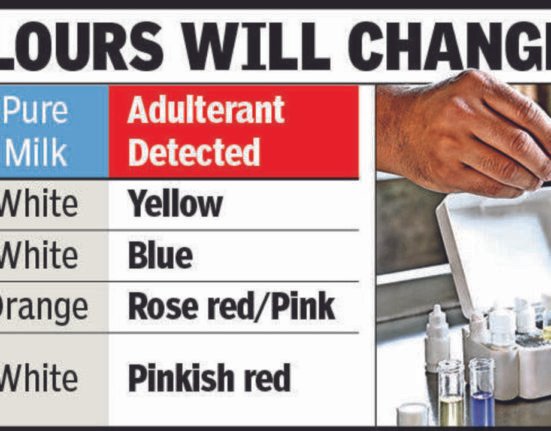
Milk adulteration remains one of the most serious and enduring challenges facing the Indian dairy industry. Multiple state surveillance reports and national assessments indicate that 65–70% of milk samples fail to fully comply with food-safety standards, pointing to systemic vulnerabilities across the supply chain.
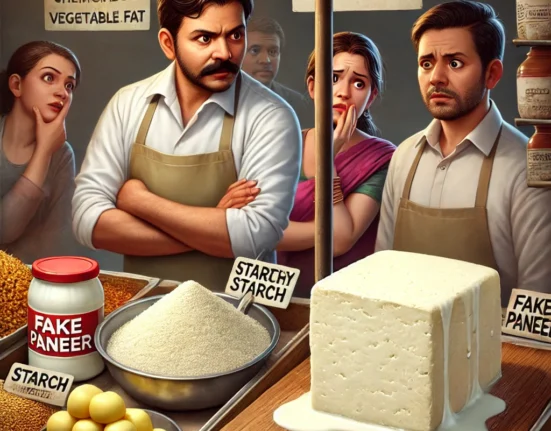
Importantly, adulteration has evolved beyond simple dilution. Today, it often involves complex chemical manipulation, including the use of starch, glucose, detergents, urea, neutralisers and bicarbonates. In warmer regions, substances such as hydrogen peroxide and formalin are reportedly used to extend shelf life. In addition, the presence of heavy metals such as lead, chromium and arsenic has been detected in several investigations, largely due to contaminated feed and water sources.
The rise of synthetic milk represents an even more alarming trend. Enforcement agencies have uncovered multiple rackets producing thousands of litres per day, particularly during festive seasons. High-profile cases involving adulterated paneer, salt-laden milk, urea contamination and large-scale fake ghee scams have further exposed the economic incentives driving food fraud.
While regulators have intensified inspections, deployed mobile testing units and increased penalties, enforcement alone cannot address the problem. Experts consistently highlight the need for modern testing infrastructure, wider deployment of FTIR analysers and portable sensors, digital traceability systems and sustained training for farmers and small vendors. Consumer awareness must also play a stronger role in reinforcing accountability.
Shifting Consumption Patterns and the Rise of Value-Added Dairy
India’s milk utilisation pattern reflects a blend of traditional consumption and modern dietary trends. Around 50% of marketed milk is consumed as fluid milk, while approximately 35% goes into traditional products such as curd, paneer, lassi, khoa and sweets. The remaining 15% supports industrial dairy products, including butter, ghee, milk powders, whey and ice cream.
Value-added dairy products are growing at 16–18% annually, significantly outpacing liquid milk. Organised players are expanding portfolios to include high-protein milks, probiotic drinks, reduced-sugar variants and functional beverages. Niche segments such as A2 milk, organic dairy, lactose-free products, artisanal cheeses and goat or camel milk are also reshaping consumer preferences.
Economically, the Indian dairy market was valued at approximately ₹21.3 lakh crore in 2025 and is projected to expand sharply over the next decade. Dairy contributes nearly 5% to India’s GDP and around 30% to agricultural Gross Value Added, underscoring its strategic importance to rural livelihoods and national growth.
Climate Stress, Structural Change and Technological Adoption
The sector is undergoing a clear structural shift away from low-margin liquid milk towards higher-value, branded dairy products. Several large private dairies have already reduced their exposure to fluid milk in favour of cheese, desserts, curd and flavoured beverages.
However, climate change presents a growing operational risk. Heat stress can reduce milk yield by nearly 10%, even after short periods of exposure. As a result, the industry is investing in heat-tolerant breeds, improved housing, cooling systems and climate-smart feeding practices.
Technology is increasingly central to dairy modernisation. Leading farms and processors are adopting AI-enabled heat detection, IoT-based herd monitoring, automated milking systems and predictive health analytics. At the processing and testing level, laboratories now routinely screen for adulterants, antibiotic residues and aflatoxin M1, supported by stronger regulatory frameworks.
Growing Interest in Functional and Species-Specific Milks
Globally, cow milk accounts for over 80% of total production, while buffalo, goat and sheep milk make up most of the remainder. In India, cow and buffalo milk together contribute more than 95% of the national output.
Scientific and commercial interest in functional and species-specific milks is rising. A2 cow milk is gaining popularity for perceived digestive benefits. Buffalo milk, rich in fat and minerals, is widely used in premium dairy products. Goat, camel and donkey milk are finding applications in specialised nutrition, nutraceuticals and cosmetics, reflecting a broader shift towards health-led dairy consumption.
Conclusion
India’s dairy sector stands at a critical juncture. While production volumes and value-added diversification continue to expand, milk adulteration remains a serious threat to public health and consumer trust. The future of Indian dairy will depend not only on scale and innovation, but on the sector’s ability to deliver consistent quality, transparency and safety.
Strengthening testing infrastructure, modernising the unorganised sector, investing in climate resilience and building consumer confidence will be essential. Ultimately, India’s global dairy leadership must be measured not just in tonnes of milk produced, but in the purity, safety and nutritional integrity of every litre consumed.