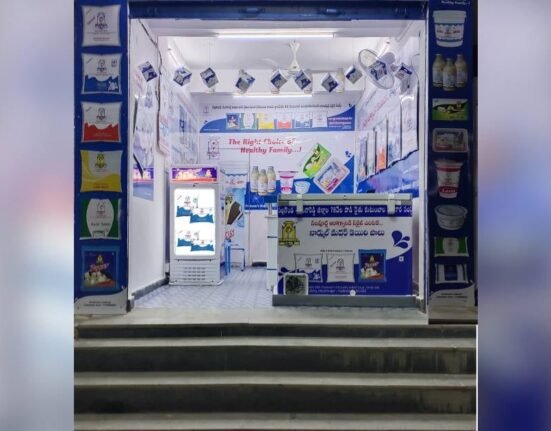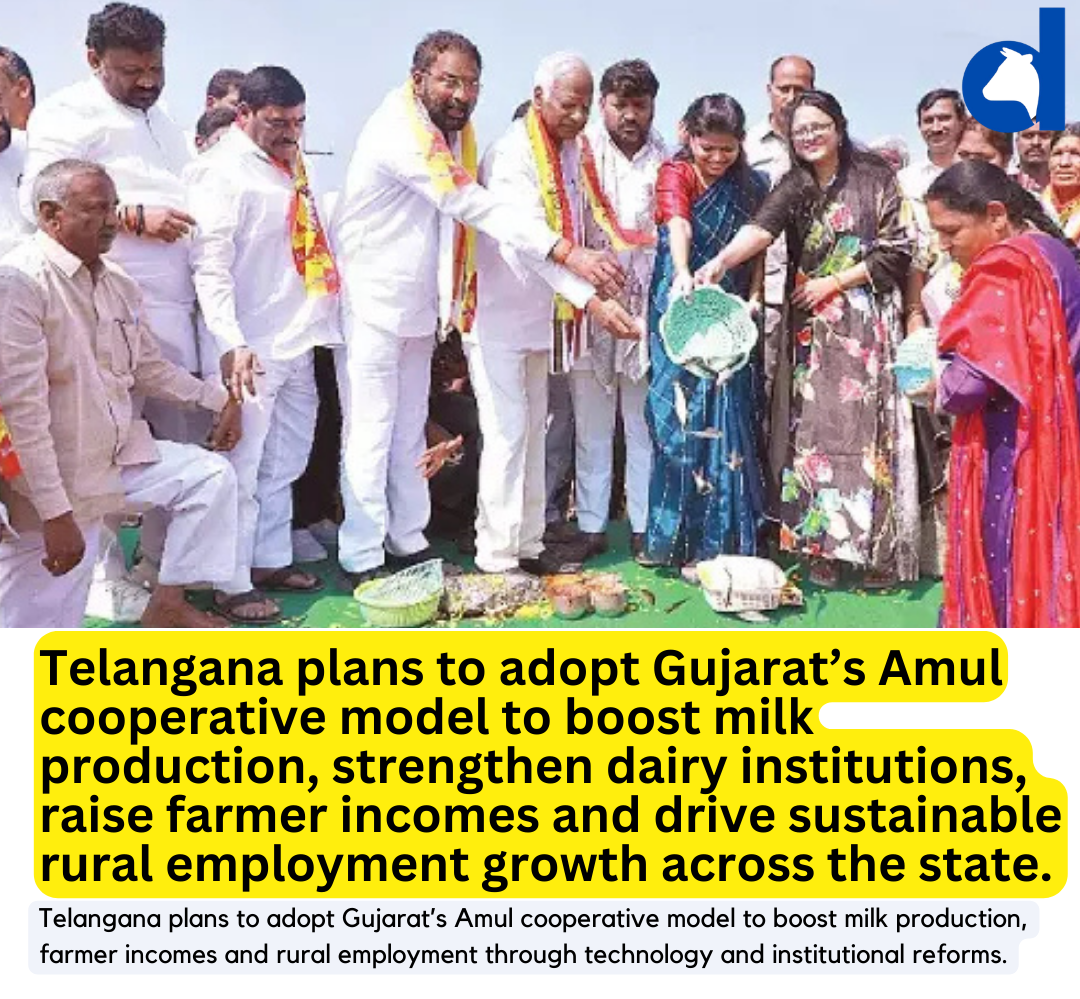
The Telangana Government has renewed its focus on dairy-led rural development. It plans to adapt the Gujarat dairy cooperative model to increase milk production, improve farmer incomes and generate rural employment. Minister for Animal Husbandry, Dairy Development, Fisheries, Youth Services and Sports, Vakiti Srihari, said the state is preparing a detailed action plan. The objective is to position Telangana among India’s leading milk-producing states. According to the minister, Gujarat’s cooperative-driven dairy framework provides a tested and scalable growth model.
Studying the Amul–NDDB Ecosystem
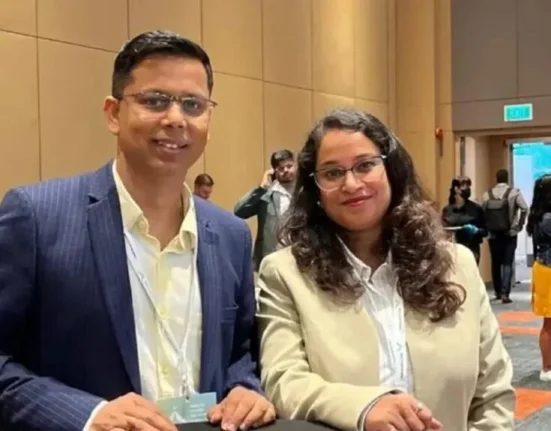
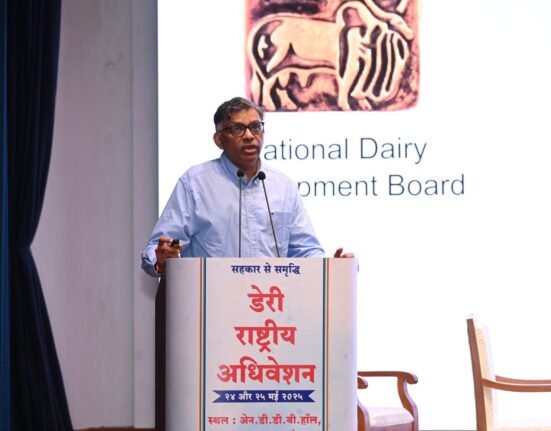
Recently, a ministerial delegation led by Srihari visited the Amul milk processing facility in Anand. The visit aimed to understand the operational systems and policy support behind Gujarat’s dairy success. The delegation included senior political leaders and cooperative representatives from Telangana. The team was received by Dr Meenesh C Shah, Chairman of the National Dairy Development Board (NDDB), along with senior officials. They shared insights into Amul’s integrated dairy value chain.
Technology, Scale and Cooperative Strength
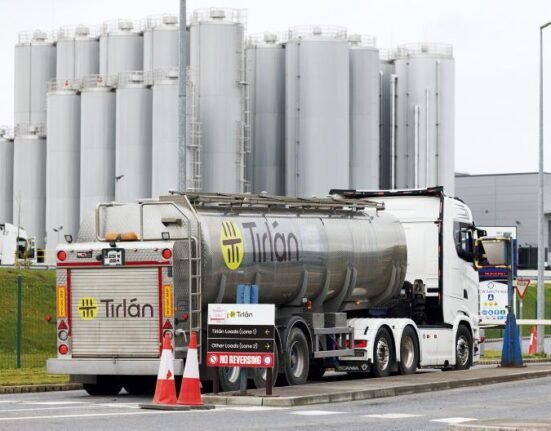
NDDB officials explained how modern technologies support milk collection, chilling, processing, logistics and marketing. As a result, cooperatives achieve scale while maintaining quality and traceability. They also highlighted how the cooperative structure ensures stable prices for farmers and strengthens rural economies across Gujarat.
Moreover, officials noted that Amul’s success rests on farmer ownership, professional management and strong market linkages. These factors have enabled national expansion without diluting producer control.
Telangana’s Dairy Ambitions
Minister Srihari said Telangana will adopt Gujarat’s best practices to strengthen cooperatives and improve productivity. The state also plans to invest in modern infrastructure and ensure better price realisation for farmers. Therefore, dairy development will play a key role in rural employment, youth participation and women’s economic empowerment. He added that Chief Minister Revanth Reddy is giving special attention to the dairy sector under the state’s broader agricultural development agenda.
Implications for the Dairy Industry
For the wider dairy industry, Telangana’s alignment with the Amul–NDDB model could attract greater institutional investment. Consequently, it may improve milk availability, strengthen cooperatives and stabilise supply chains. If implemented effectively, the strategy could support long-term growth in the organised dairy sector.