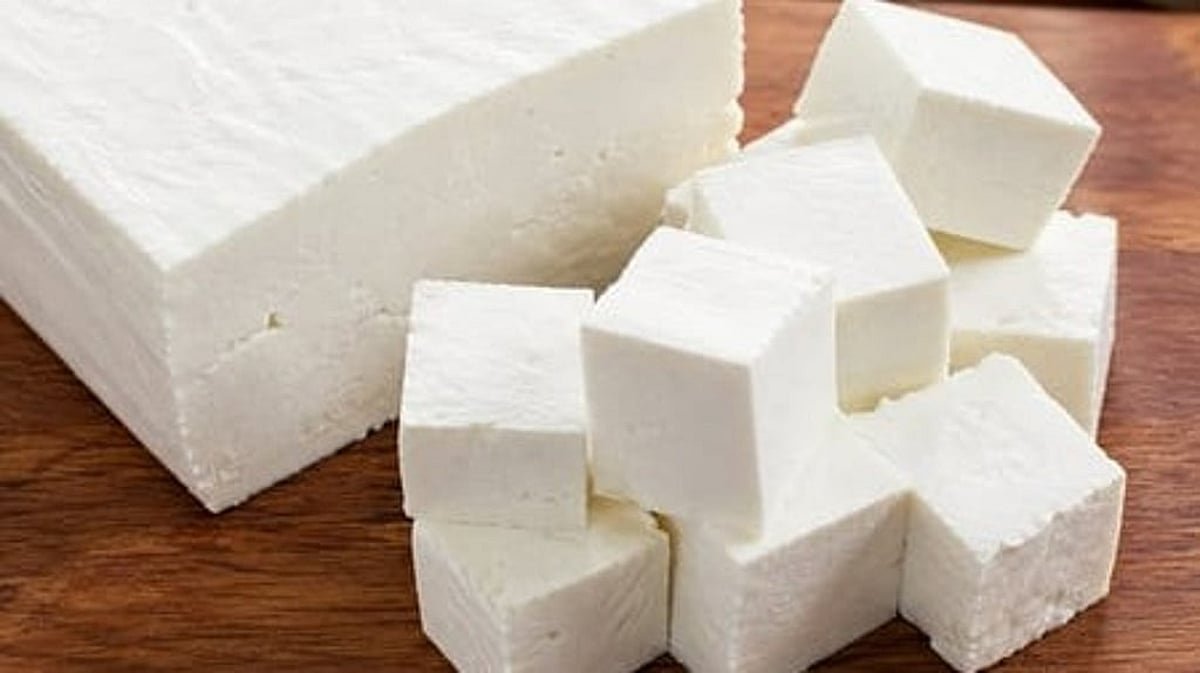
Bengaluru: The Karnataka Food Safety and Drugs Administration (FDA) has imposed a one-year ban on analogue or non-dairy paneer products across the state, citing concerns over consumer protection, food standards and the potential misrepresentation of non-dairy products as genuine paneer.
The order prohibits food businesses from manufacturing, processing, packing, storing, distributing, transporting or selling analogue paneer products that resemble conventional paneer or are used as a substitute for it.
The move is aimed at ensuring that products sold under the name “paneer” meet the prescribed standards and contain the essential milk components required for the food product.
What Does the Ban Cover?
The order specifically targets products in which milk fat or milk solids are wholly or partially replaced with vegetable oil, vegetable fat or other non-dairy ingredients.
Such products cannot be displayed, supplied or sold using the name “paneer” in Karnataka during the period of the prohibition.
The restriction also extends beyond direct retail sales. Food businesses are prohibited from using, storing, stocking, supplying or otherwise utilising analogue or non-dairy paneer products while preparing other food items or dishes.
This means restaurants, catering businesses, food manufacturers and other commercial establishments will also need to ensure that products represented as paneer comply with the applicable requirements.
Paneer Is a Standardised Dairy Product
According to the order, paneer is a standardised food product under Regulation 2.1.16 of the Food Safety and Standards (Food Products Standards and Food Additives) Regulations, 2011.
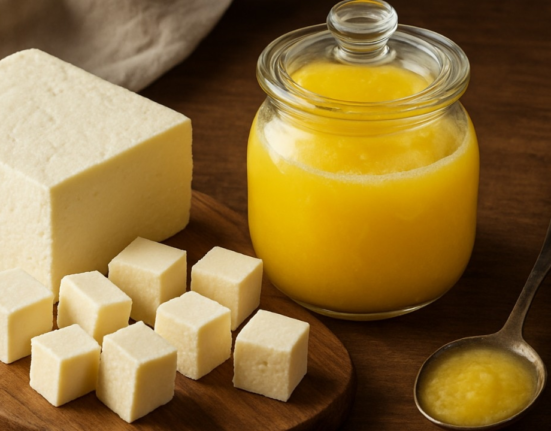
Paneer is defined as a product obtained from milk, with or without permitted milk solids, through precipitation using permitted acidulants followed by heating.
The FDA has highlighted that milk fat is an essential constituent of paneer.
Consequently, replacing milk fat with vegetable oil, vegetable fat or other non-dairy fats is not permitted when the product is being represented as standardised paneer.
Consumer Protection at the Centre
The Karnataka FDA said the lack of specific quality standards for certain products classified as “Analogue in Dairy Context” has created challenges for enforcement.
The department is particularly concerned that consumers may purchase or consume such products believing them to be genuine paneer.
For consumers, distinguishing between conventional paneer and an analogue product can be difficult when both products are marketed using similar descriptions, appearances or applications.
The FDA has therefore emphasised the need to prevent products containing substituted non-dairy ingredients from being represented as standard paneer.
Labelling Requirements
The order also draws attention to labelling requirements applicable to dairy analogue products.
Products containing substituted milk components or non-dairy ingredients are required to provide appropriate declarations under applicable food-labelling regulations.
Such declarations are intended to provide consumers with information about the actual nature and ingredients of the product.
The Karnataka FDA’s action therefore combines restrictions on the sale of certain analogue paneer products with an emphasis on accurate product representation and labelling.
Not a Ban on All Non-Dairy Products
The order does not constitute a blanket prohibition on every food product containing non-dairy ingredients.
Instead, it specifically applies to dairy analogue products that do not have separate quality standards prescribed by the Food Safety and Standards Authority of India (FSSAI) and are not themselves standardised food products.
This distinction is important because several products containing non-dairy ingredients are already governed by their own established food standards.
Standardised Products Excluded
Products such as frozen desserts, processed cheese and mixed fat spread are excluded from the Karnataka order where they are separately standardised and governed by their own prescribed requirements.
The distinction allows food businesses to continue manufacturing and selling products that comply with the relevant standards while preventing unstandardised dairy analogues from being marketed as paneer.
Impact on Food Businesses
The ban is expected to have implications for a range of food businesses across Karnataka.
Restaurants, hotels, caterers, food manufacturers and retailers will need to review their procurement and supply chains to ensure that products labelled or used as paneer comply with the applicable requirements.
Businesses that use paneer extensively in dishes may also need to verify the composition and documentation of their suppliers’ products.
The order could consequently increase demand for compliant dairy paneer while reducing the availability of analogue products being used as substitutes.
Implications for the Dairy Industry
The move could also have wider implications for Karnataka’s dairy sector.
Genuine paneer is produced using milk and represents an important value-added dairy product. Stronger enforcement against products that substitute milk fat or milk solids with cheaper non-dairy ingredients could help protect the market for standardised dairy products.
For dairy processors, the development could reinforce the importance of maintaining product quality, traceability and compliance with food-safety regulations.
At the same time, businesses producing dairy analogues may need to reassess product formulation, labelling and marketing practices to ensure compliance with applicable regulations.
Focus on Preventing Misbranding
A key concern highlighted by the FDA is the possibility of misbranding.
When an analogue product is marketed simply as paneer, consumers may develop an incorrect understanding of its composition and nutritional characteristics.
The Karnataka FDA has stated that consumers should not be expected to identify the difference themselves, particularly when products are visually similar and are marketed for the same culinary applications.
The order therefore seeks to ensure that the name and presentation of a food product accurately reflect its composition.
Outlook
Karnataka’s one-year prohibition represents a significant regulatory step concerning the marketing and use of dairy analogue products.
By restricting the sale and use of non-dairy products represented as paneer, the state is seeking to strengthen compliance with food standards and provide greater clarity to consumers.
The move also highlights the growing importance of food authenticity, accurate labelling and quality standards as India’s dairy and food-processing industries continue to expand.
For consumers, dairy processors and food businesses alike, the order reinforces the importance of knowing exactly what constitutes genuine paneer and ensuring that products sold under the name meet the prescribed standards.