The Department of Animal Husbandry and Dairying (DAHD), Government of India, is set to launch the Livestock Insurance Portal on September 28, 2026, at Chandralok Bhawan in New Delhi. The new digital platform is aimed at improving access to livestock insurance services while strengthening transparency and service delivery for beneficiaries.
Union Minister for Fisheries, Animal Husbandry and Dairying and Panchayati Raj Shri Rajiv Ranjan Singh alias Lalan Singh is scheduled to attend the launch as Chief Guest. Prof. Shri S.P. Singh Baghel, Minister of State for Fisheries, Animal Husbandry and Dairying and Panchayati Raj, and Shri Naresh Pal Gangwar, Secretary, Department of Animal Husbandry and Dairying, are also scheduled to attend as Guests of Honour.
The proposed portal represents another step in the government’s efforts to digitise livestock insurance services. The Department has previously stated that it was developing an online, web-based workflow portal for livestock insurance to improve transparency, monitoring and claim processing.
Improving Access to Livestock Insurance
Under the National Livestock Mission (NLM), livestock insurance is intended to provide protection against financial losses resulting from the death of insured animals. The current NLM framework covers a range of livestock, including indigenous and crossbred milch animals, pack animals and species such as sheep, goats, pigs, rabbits, yak and mithun.
The government’s current framework provides a subsidy for livestock insurance, with the beneficiary’s share of the premium set at 15%, while the remaining 85% is jointly funded by the Centre and States. The subsidy coverage has also been expanded to up to 10 cattle units per beneficiary household for most eligible animals, with a separate limit for pigs and rabbits.
The portal is expected to make various aspects of the insurance process more accessible to beneficiaries. Its digital approach is intended to support registration, insurance coverage and protection-related services while improving transparency and ease of access.
Focus on Transparency and Service Delivery
Digitisation has increasingly become a focus of livestock insurance administration. In a recent parliamentary response, the Department said that an online portal was being developed under the National Livestock Mission to improve transparency, monitoring and claim processing. The Department also identified claim tracking, grievance redressal and timely settlement as areas that the portal could support.
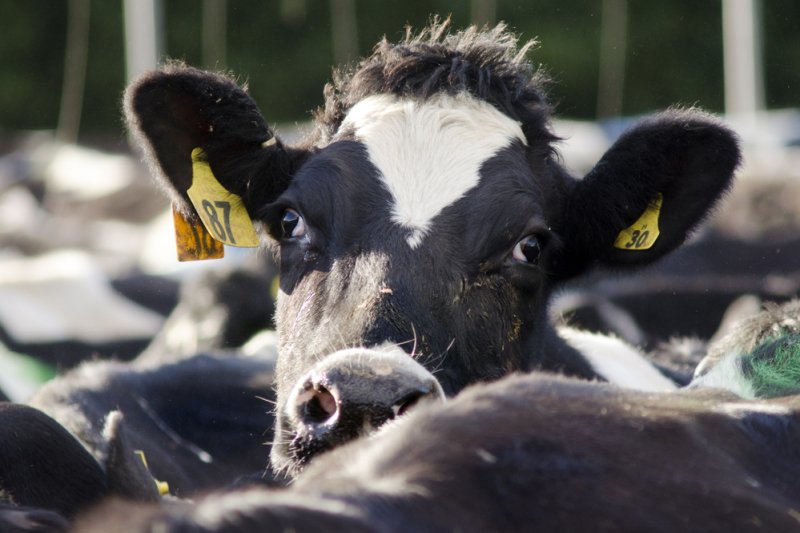
Earlier government documents also referred to the development of a single web-app workflow portal for livestock insurance, alongside the potential use of RFID tagging for better animal identification and improved claim settlement.
Livestock Insurance Under NLM
Livestock insurance forms part of the Research and Development, Livestock Insurance, Extension and Innovation sub-mission of the National Livestock Mission. The programme is implemented across districts and is designed to strengthen risk-management mechanisms for livestock owners.
Recent government data indicates that 60.80 lakh animals were insured under the programme over the five-year period referenced by the government, while ₹161.07 crore was released under the scheme during that period.
| Key Detail | Information |
|---|---|
| Portal | Livestock Insurance Portal |
| Launch date | September 28, 2026 |
| Venue | Chandralok Bhawan, New Delhi |
| Chief Guest | Shri Rajiv Ranjan Singh alias Lalan Singh |
| Guests of Honour | Prof. S.P. Singh Baghel and Shri Naresh Pal Gangwar |
| Department | Department of Animal Husbandry and Dairying |
| Programme | National Livestock Mission |
| Main focus | Registration, insurance coverage, transparency and service delivery |
The launch comes as the government continues to strengthen digital systems around livestock insurance. For livestock owners and other beneficiaries, the portal could provide a more structured digital interface for accessing insurance-related services and information.
The September 28 launch will provide further details on the portal’s operational features, coverage and implementation process. Its effectiveness will ultimately depend on adoption by beneficiaries, coordination between implementing agencies and insurers, and the quality of digital service delivery across different regions of the country.