A dairy farmer in Massachusetts, United States, has demonstrated how renewable energy can improve farm profitability by turning underutilised land into a source of recurring income. George Hunt Jr. chose to develop an 11-acre solar field instead of selling the difficult-to-farm property to Walmart. The project reportedly generates a land-lease payment of $1,000 per week, while rooftop solar panels have nearly eliminated the farm’s monthly electricity bill of approximately $1,400.
The experience, featured by John Nagy in Notre Dame Magazine’s The Sun Farmers and subsequently republished by the Let’s Share the Sun Foundation, illustrates how solar energy can complement traditional dairy farming. Rather than replacing milk production, the initiative provides an additional revenue stream and helps reduce operating expenses.
Solar Power Creates New Opportunities for Dairy Farms
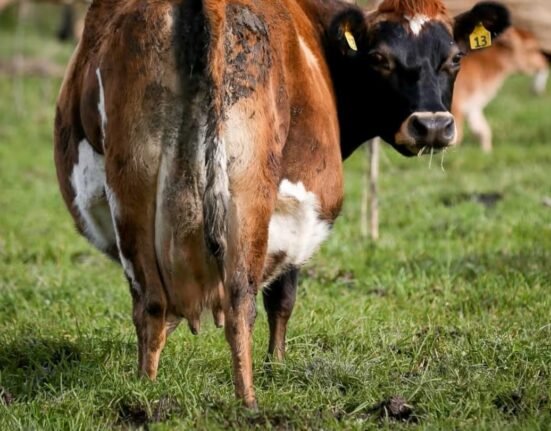
Hunt operated a dairy farm spanning hundreds of acres and maintained a herd of approximately 250 cows. Like other dairy producers, he faced the challenge of balancing operational expenses against fluctuating milk prices. He also wanted to establish a financially sustainable business that could provide a viable future for his children.
An 11-acre parcel on the property presented a particular challenge because its terrain and condition made conventional farming difficult. Walmart reportedly expressed interest in purchasing the land, offering Hunt an opportunity to earn money from an otherwise underutilised asset.
However, Hunt eventually chose to retain ownership and lease the property for solar energy development. The decision allowed him to generate recurring income without selling the land or abandoning his dairy operations.
Supportive renewable energy policies in Massachusetts, including solar incentives and renewable energy credits, helped make the project economically attractive.
Rooftop Solar Reduces Dairy Farm Electricity Costs
Before developing the larger solar field, Hunt had installed solar panels on the roof of his barn. The electricity generated supported essential farm operations, including water pumping, milk cooling, milking equipment and lighting.
According to Nagy’s account of a 2015 visit, Hunt reported that the rooftop installation had almost eliminated an electricity bill of approximately $1,400 per month. The system also generated a small refund during much of the year for surplus electricity exported to the grid.
Energy consumption is an important consideration for dairy farms because milking machines, refrigeration systems, ventilation and water pumps operate regularly. Electricity costs can place additional pressure on farms already managing animal feed, labour, veterinary care and equipment maintenance.
Generating electricity on-site can help reduce dependence on purchased power, although actual savings depend on system capacity, installation costs, financing, energy consumption and applicable electricity tariffs.
The rooftop system also encouraged Hunt to explore a larger solar project, demonstrating how reducing operating expenses can complement efforts to diversify farm income.
An 11-Acre Solar Field Generates Recurring Revenue
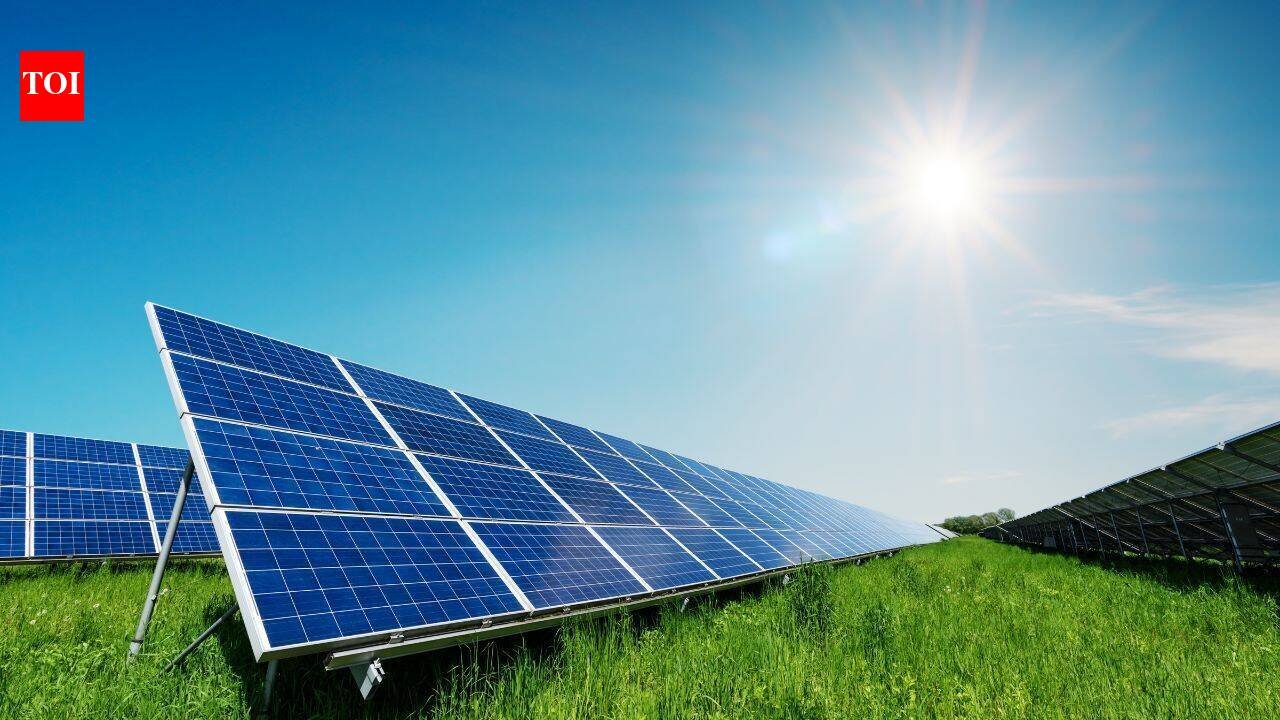
Hunt eventually leased the 11-acre parcel for inclusion in a reported 3-megawatt solar installation supplying electricity to the city of Lowell, Massachusetts.
The lease arrangement reportedly paid him $1,000 weekly. This provided recurring revenue while allowing him to retain ownership of the property, rather than accepting an outright sale to Walmart.
The solar field effectively created a second source of economic value from the farm. Although the land was difficult to use for conventional agricultural production, it could accommodate renewable energy infrastructure.
The project also reflected Hunt’s broader approach to farm diversification. His business included activities such as selling firewood and hay and investing in local real estate. Solar energy added another source of income that was less directly dependent on milk prices.
Hunt also connected other interested farmers with a solar consultant, helping spread awareness of renewable energy opportunities among agricultural businesses.
Why Energy Diversification Matters to Dairy Producers
Dairy farming requires continuous expenditure on livestock nutrition, animal healthcare, milk storage, labour and machinery. Meanwhile, farm-gate milk prices can fluctuate, making it difficult to predict annual profitability.
Solar energy can address two financial challenges simultaneously: reducing electricity expenditure through rooftop installations and generating lease income from suitable land.
For dairy farms with unused or marginal agricultural parcels, leasing land to a solar developer may provide an alternative to selling the property. However, farmers need to assess lease duration, land-use restrictions, grid access, environmental considerations, contractual obligations and the long-term implications for agricultural operations.
Solar installations also require careful planning to avoid conflicts with essential farming activities and future expansion.
Renewable Energy and the Future of Dairy Farming
Hunt’s experience highlights the potential for renewable energy to support more financially resilient dairy businesses. The project did not require him to abandon cattle farming or convert the entire property into an energy installation. Instead, it used a difficult-to-farm parcel to generate electricity and recurring lease income.
The reported $1,000 weekly payment represents approximately $52,000 annually before any applicable expenses or taxes, while the rooftop system addressed a separate electricity expense that had previously reached around $16,800 per year.
These figures illustrate the potential financial contribution of solar energy, although the actual return on investment depends on contract terms, system costs, maintenance and other operating considerations.
For the dairy industry, the broader lesson is that renewable energy can complement conventional milk production. By combining dairy operations with suitable solar installations, farmers may diversify income, manage electricity expenses and strengthen their businesses against changing market conditions.
Hunt’s decision demonstrates how underutilised land can become a productive asset, helping preserve farm ownership while creating opportunities for both agricultural sustainability and local renewable energy generation.