British dairy exporters are pursuing new international markets in Asia and Mexico as processors seek to diversify sales, strengthen overseas distribution and reduce their dependence on the domestic market. The export strategy focuses on specialty dairy products, including traditional cheeses, butter, clotted cream, yogurts and premium dairy ice cream.
The United Kingdom’s participation in the Comprehensive and Progressive Agreement for Trans-Pacific Partnership (CPTPP) is presented as an important development for British dairy exporters. The source reports that the first commercial consignment of British cheese under the CPTPP framework was shipped to Mexico this month, marking a milestone for manufacturers looking to expand their international customer base.
CPTPP Creates New Opportunities for British Cheese
Preferential trade access is expected to support British cheese exporters seeking to enter Mexico and other markets covered by the trade agreement. For specialty cheese manufacturers, tariff arrangements can influence export competitiveness, pricing and the ability to establish commercial relationships with overseas distributors.
Lucy Randolph, head of international trade development at the Agriculture and Horticulture Development Board (AHDB), highlighted the importance of expanding trade corridors into Mexico and the Pacific Rim. According to the source, these opportunities could help British processors manage trade friction and administrative costs associated with exports across the English Channel.
The development also reflects a broader strategy of exploring additional destinations for British dairy products rather than relying heavily on established European markets. However, the precise benefits available to individual products depend on applicable tariff schedules, origin requirements and the import rules of each destination.
Traditional Dairy Products Drive Export Differentiation
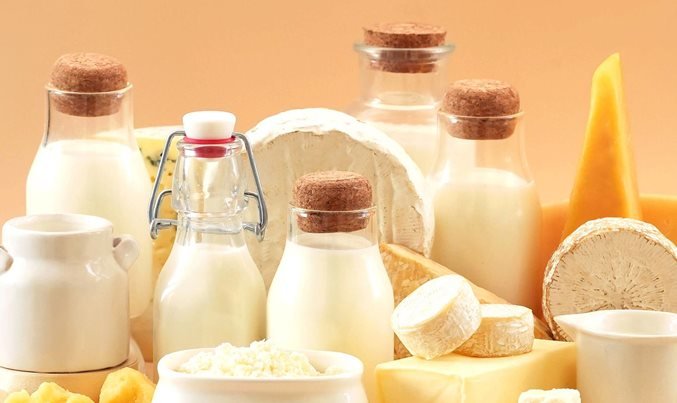
During the trade delegation’s visits to British manufacturing facilities, international commercial buyers examined a range of products, including artisan and territorial cheeses, butter, clotted cream, yogurts and premium dairy ice cream.
Buyers showed particular interest in product traceability, pasture-based animal welfare credentials and protected geographical indications. These attributes can help traditional British dairy products differentiate themselves from mass-market alternatives and appeal to buyers seeking distinctive products with identifiable origins and production characteristics.
Belton Farm, a Shropshire-based cheesemaker highlighted in the source, processes raw milk collected daily from 65 contracted family dairy farms within a 20-mile radius of its facility. Developing specialised export channels could give producers such as Belton Farm additional opportunities to reach overseas retailers and foodservice customers.
Access to international markets may also help manufacturers develop product portfolios around premium cheeses such as cheddar and Red Leicester, alongside higher-fat cream products. Success will depend on buyer demand, product positioning, logistics and the ability to meet destination-market requirements.
Market Diversification and Financial Resilience
International expansion is also a commercial risk-management strategy for dairy processors across England, Scotland and Wales. The source identifies pressure from energy costs, packaging inflation and rising cold-chain freight rates as factors affecting processing margins.
In this environment, establishing retail and foodservice listings in Asian metropolitan markets and Mexican urban centres could provide additional routes to market. Premium products may offer opportunities to achieve higher selling prices, although actual returns will depend on competition, distribution costs and local purchasing power.
Serving customers across multiple countries and currencies can also reduce dependence on a single market. A broader customer base may help processors manage fluctuations in domestic demand and maintain more consistent sales volumes.
Export diversification can support investment planning as well. More stable commercial opportunities may improve manufacturers’ ability to service operational debt and invest in automated packaging equipment, cheese-ripening facilities and other processing infrastructure.
Export Growth Depends on Execution
The expansion of British dairy exports into Asia and Mexico represents an opportunity to build on the country’s established dairy-processing capabilities and traditional product reputation. CPTPP-related trade opportunities, product differentiation and overseas buyer engagement form important elements of this approach.
Nevertheless, tariff preferences alone do not guarantee export growth. British processors must also manage shipping costs, cold-chain requirements, regulatory compliance, distributor relationships and consumer preferences in each destination.
For the wider UK dairy industry, developing a more diversified export portfolio could provide additional commercial outlets and reduce reliance on domestic retail demand. The longer-term impact will depend on whether manufacturers can convert trade access and buyer interest into sustained orders and commercially viable overseas distribution.