India’s dairy industry is entering a new phase of growth, with increasing emphasis on value-added products, specialised dairy ingredients and nutrition-focused offerings. The domestic dairy market is projected to expand from Rs 12 trillion in FY26 to Rs 19.6 trillion by FY31, reflecting changing consumer preferences and rising investments in advanced dairy processing.
Traditionally driven by liquid milk consumption, India’s dairy market is gradually diversifying towards products such as Greek yoghurt, Skyr, cheese, paneer, premium ghee and whey-based nutritional products. This transition is encouraging dairy companies to strengthen their processing capabilities, develop differentiated product portfolios and explore higher-value domestic and international markets.
Companies including Milky Mist, Parag Milk Foods, Heritage Foods and Mother Dairy are investing in specialised dairy manufacturing and expanding their processing infrastructure. These developments indicate a broader industry strategy focused on improving product realisations and diversifying revenue beyond conventional milk sales.
Value-Added Dairy Products Reshape Industry Investments
The shift towards value-added dairy products reflects the opportunity to generate greater economic value from every litre of milk through processing, innovation and product differentiation.
Consumer interest in protein-rich foods and specialised nutrition is creating opportunities across several dairy categories. Whey-based products, Greek yoghurt, cheese and other protein-rich offerings are gaining importance as manufacturers respond to evolving food preferences.
For dairy processors, these products can provide opportunities to develop differentiated brands and access consumer segments that prioritise nutritional value, convenience and premium quality. Investments in advanced manufacturing facilities are also becoming increasingly important for maintaining product consistency, improving operational efficiency and meeting specialised processing requirements.
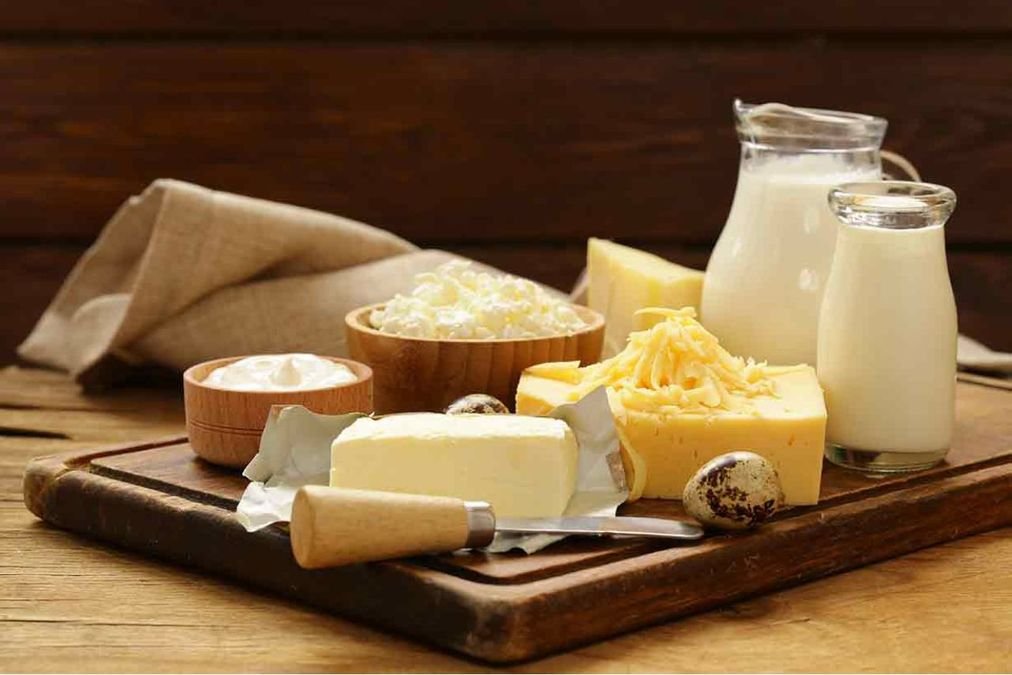
Established categories such as ghee, butter, milk powder and cheese continue to form an important part of India’s dairy market. However, manufacturers are increasingly exploring specialised ingredients that offer additional opportunities for industrial applications and international trade.
Specialised Dairy Ingredients Create Export Opportunities
India’s dairy export ambitions are gradually extending beyond conventional dairy products towards higher-value ingredients such as whey protein concentrate, whey protein isolate, lactose and casein.
These ingredients have applications across food processing, nutritional products and specialised food formulations. Their production requires advanced processing capabilities, consistent raw-material quality and strict quality-control systems.
Potential export destinations include the Middle East, Southeast Asia, Africa, Europe and North America. Each market offers different opportunities depending on consumer demand, food manufacturing requirements and regulatory standards.
Developing these export markets could help Indian dairy manufacturers diversify their revenue sources and strengthen their position in the global dairy ingredients industry.
However, international expansion will require more than increasing production capacity. Food safety compliance, product traceability, export certification and consistent manufacturing standards will be essential for competing with established global suppliers.
Infrastructure and Supply Chain Challenges Remain
Despite India’s substantial milk production base, converting domestic supply into globally competitive dairy products presents several challenges.
Cold-chain infrastructure is particularly important because many specialised dairy products require controlled storage and transportation conditions. Maintaining product quality from farm-level procurement through processing, packaging and distribution will be essential for expanding both domestic and international markets.
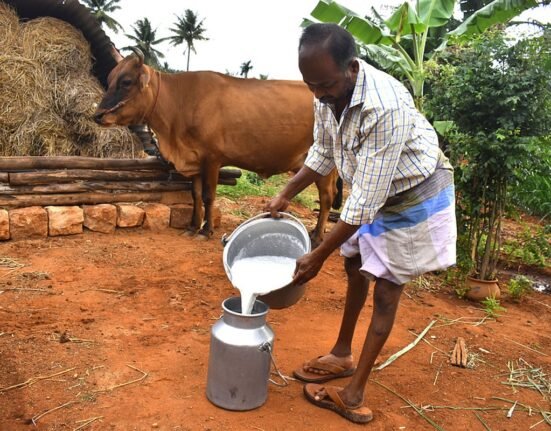
Manufacturers will also need to strengthen procurement networks and improve coordination with dairy farmers to ensure consistent milk quality and availability. Variations in raw milk composition, hygiene standards and supply volumes can affect the efficiency of specialised processing operations.
Investment in modern equipment, quality testing, traceability systems and export-oriented manufacturing facilities will therefore play an important role in the sector’s next stage of development.
India’s Next Dairy Growth Opportunity
The projected expansion of India’s dairy market to Rs 19.6 trillion by FY31 highlights the growing economic importance of value-added dairy products. The opportunity extends beyond established processors to include ingredient manufacturers, technology providers, logistics companies and dairy farmers.
For farmers, stronger demand for processed dairy products could create opportunities for improved milk procurement systems and greater value realisation, provided that benefits are effectively shared across the supply chain.
For manufacturers, the focus will increasingly be on product innovation, processing efficiency, quality assurance and international market access.
India’s large milk-production base provides a strong foundation for this transformation. However, the country’s ability to become a more competitive global dairy supplier will depend on connecting farm-level procurement with advanced processing, specialised product development and reliable distribution networks.
The next phase of India’s dairy growth is therefore expected to be driven not simply by how much milk the country produces, but by how effectively it converts that milk into higher-value products for domestic consumers and international markets.