Higher procurement, feed and operational costs are pushing dairy companies to revise prices as farmers and consumers face competing economic pressures.
India’s dairy sector is experiencing renewed pricing pressure as major milk brands increase retail prices amid rising production and operational costs. Amul and Mother Dairy raised their milk prices by ₹2–4 per litre from 12 November 2026, while Karnataka’s Nandini implemented a separate price increase earlier in the month.
The revisions highlight the economic challenges facing India’s dairy industry, where companies must balance farmers’ earnings, production expenses and consumer affordability. Although India remains the world’s largest milk producer, maintaining sufficient supply while ensuring sustainable returns for producers continues to be a major concern.
Amul, Mother Dairy and Nandini Announce Price Revisions
Amul increased prices across several fresh pouch milk variants and pack sizes by approximately 4–5%. Amul Taaza toned milk, containing 3% fat, became ₹2 per litre more expensive, while Amul Gold, containing 6% fat, saw a ₹4 increase.
Mother Dairy also revised prices across its liquid milk portfolio in Delhi-NCR. Full-cream milk increased from ₹72 to ₹76 per litre, while toned milk rose from ₹60 to ₹62 per litre.
Both companies had last revised their milk prices in May 2026, making the November changes their second price adjustments during the financial year.
Karnataka’s Nandini had already implemented a price increase from 1 November. The state Cabinet approved an ₹8-per-litre increase, with ₹7 allocated towards improving payments to milk-producing farmers and ₹1 towards dairy cooperatives.
These different pricing decisions reflect the need to improve farmer returns while managing the financial requirements of dairy procurement and distribution.
Higher Procurement Prices Increase Dairy Company Costs
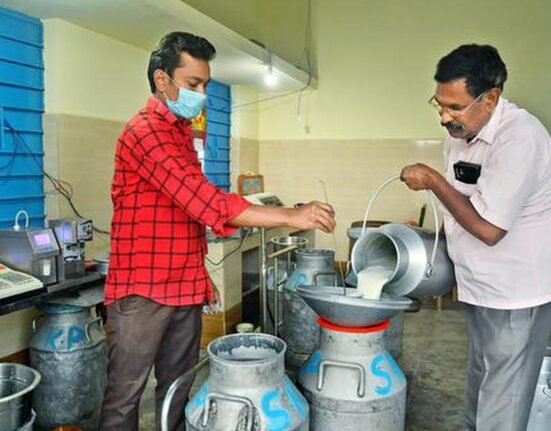
Milk procurement is one of the largest expenses for dairy businesses. When companies increase the prices paid to farmers, they must either absorb the additional cost or pass some of it on to consumers.
Mother Dairy stated that approximately 75–80% of its milk sales realisation goes towards procurement from farmers. The remaining share must cover processing, packaging, transportation and other operational expenses.
Amul has similarly connected its latest price revision with the need to provide better returns to milk producers. The Gujarat Cooperative Milk Marketing Federation (GCMMF), which markets products under the Amul brand, indicated that a substantial portion of the additional revenue would benefit farmers.
For milk producers, higher procurement prices can help offset the rising expenses associated with maintaining dairy animals and sustaining milk production.
Feed, Fodder and Operational Expenses Add Pressure
Increasing cattle feed and fodder costs are another major factor influencing milk prices.
Mother Dairy reported that uneven monsoon conditions had affected fodder availability in several regions. Green and dry fodder prices had increased by up to 20%, while cattle feed prices were approximately 10% higher than the previous year.
The company also highlighted rising packaging, transportation and other operational expenses, which it said had increased by as much as 25% amid persistent inflationary pressures.
Amul cited higher prices for green and dry fodder, cattle feed ingredients such as oil cake, maize and molasses, packaging film and fuel. Low and uneven rainfall in Gujarat and other parts of India was also identified as a factor affecting production costs.
Weather-related changes are adding further uncertainty to seasonal milk availability. The source attributes delays in India’s winter flush season to El Niño-linked weather shifts, potentially tightening supplies and increasing procurement costs. Festive demand has also contributed to pressure on milk and dairy products such as paneer and ghee.
India’s Milk Production Continues to Grow
Despite these challenges, India remains the world’s largest milk-producing country.
According to the government’s Basic Animal Husbandry Statistics 2025, national milk production reached 247.87 million tonnes in 2024–25, compared with 239.30 million tonnes in the previous year. This represented annual growth of 3.58%, slightly below the 3.78% recorded in FY24.
Per-capita milk availability also increased from 319 grams per day in 2014–15 to 485 grams in 2024–25.
These figures demonstrate the expansion of India’s dairy production capacity. However, continued growth in output does not automatically guarantee stable retail prices, particularly when feed availability, procurement costs and processing expenses remain under pressure.
Price Increases Extend Beyond Liquid Milk
The impact of higher dairy costs is also visible in other products consumed by Indian households.
According to the reported figures, Nandini increased its paneer price from ₹408 to ₹485 per kg and its unsalted butter price from ₹700 to ₹780 per kg. Amul also increased the price of its 500-gram butter pack from ₹310 to ₹325.
Reports of limited Amul cow ghee stocks in parts of Gujarat have further highlighted supply-related concerns in the dairy retail market.
Meanwhile, liquid milk inflation stood at 4.21% in September, compared with overall retail inflation of 5.54% and food inflation of 7.74%, according to the Ministry of Statistics and Programme Implementation (MoSPI). This indicates that milk price inflation remained below the broader food inflation rate during that period.
Balancing Farmers’ Returns and Consumer Affordability
The latest price revisions illustrate the interconnected economics of India’s dairy supply chain. Farmers require adequate returns to manage feed, fodder and animal maintenance expenses. Dairy companies must cover procurement, processing, packaging and distribution costs, while consumers continue to seek affordable everyday nutrition.
For households purchasing two litres of milk daily, a ₹2-per-litre increase translates into an additional ₹120 per month. A ₹4-per-litre increase adds ₹240 to the monthly expenditure.
India’s expanding milk production provides an important foundation for the sector, but sustainable growth will also depend on managing production costs, improving supply efficiency and ensuring fair returns across the dairy value chain.
The latest increases by Amul, Mother Dairy and Nandini demonstrate that the price of everyday milk is closely connected to the economic conditions experienced by farmers, cooperatives, processors and consumers.