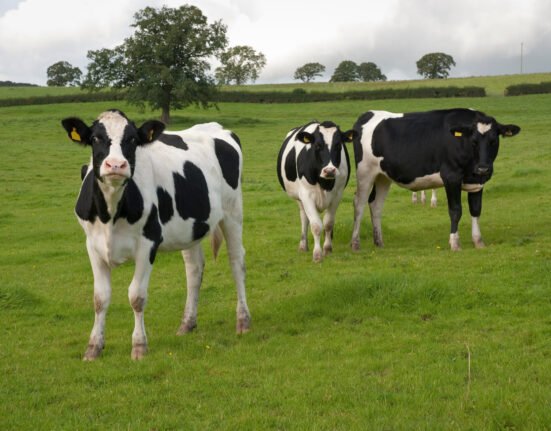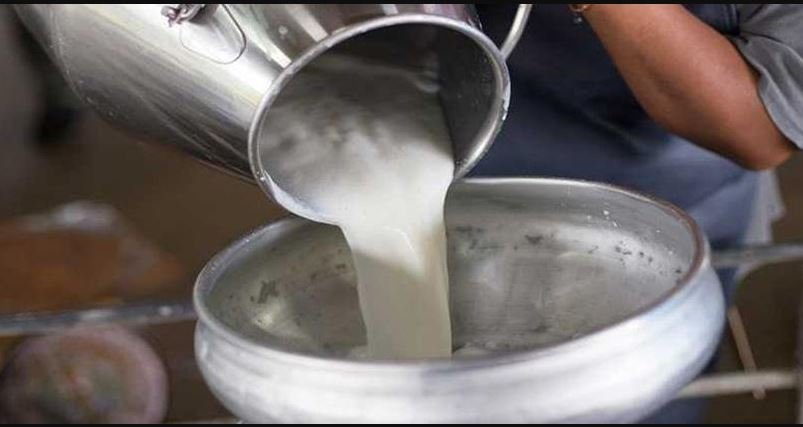
India’s dairy sector continues to strengthen its position as a major contributor to rural livelihoods, agricultural growth and the global dairy industry. With milk production reaching 247.87 million tonnes in 2024-25, the country remains the world’s largest milk producer, supported by an extensive network of dairy farmers, cooperatives and processing institutions.
As India observes National Milk Day on November 26, the latest figures highlight the sector’s progress over the past decade. Milk production increased by 69.41%, from 146.31 million tonnes in 2014-15, recording a compound annual growth rate of 5.41%.
Beyond production, dairying remains an important source of income for approximately 8.5 crore rural households. Women account for nearly 70% of the country’s dairy workforce, underlining their significant contribution to milk production, collection and rural economic activity.
Rising Milk Production Strengthens India’s Global Dairy Leadership
India’s growth in milk production has been accompanied by improvements in per capita availability and bovine productivity.
Per capita milk availability increased from 319 grams per person per day in 2014-15 to 485 grams in 2024-25. Average annual bovine milk productivity also improved, reaching 2,800 kilograms per animal in 2024-25, compared with 1,640 kilograms a decade earlier.
At the state level, Uttar Pradesh remains India’s largest milk-producing state, contributing 15.66% of national output. Rajasthan follows with 14.82%, while Madhya Pradesh, Gujarat and Maharashtra contribute 9.12%, 7.78% and 6.71%, respectively.
TOP FIVE MILK-PRODUCING STATES
| State | Share of national production |
|---|---|
| Uttar Pradesh | 15.66% |
| Rajasthan | 14.82% |
| Madhya Pradesh | 9.12% |
| Gujarat | 7.78% |
| Maharashtra | 6.71% |
| Combined share | 54.09% |
Together, these five states account for more than half of India’s total milk production.
Dairy Cooperatives Connect Farmers with Organised Markets
India’s cooperative network plays an important role in connecting village-level milk producers with organised procurement, processing and marketing systems.
The country’s dairy cooperative structure includes 22 milk federations, 241 district cooperative milk unions and 28 marketing dairies. It covers approximately 2.45 lakh villages and has around 1.65 crore dairy farmers as members.
As of October 31, 2026, dairy cooperatives were procuring 690.90 lakh kilograms of milk per day and selling 462.95 lakh litres of liquid milk daily.
These institutions provide farmers with organised market access and support transparent milk procurement. Many cooperatives also use automated milk collection and payment systems, allowing payments to be transferred directly into farmers’ bank accounts.
Women Strengthen Their Participation in Dairy Businesses
Women’s participation is becoming increasingly important in India’s organised dairy sector, particularly through farmer-owned Milk Producer Organisations (MPOs).
NDDB Dairy Services, a subsidiary of the National Dairy Development Board, has established 25 such organisations. Of these, 18 have exclusively women members, with women also serving as producer directors on their boards.
Across the 25 organisations, more than 13 lakh milk producers are covered in 175 districts across 12 states. Women account for approximately 78% of the producers, while the organisations collectively procure around 70 lakh litres of milk daily.
These organisations aim to improve farmers’ access to markets through transparent pricing, organised procurement and direct bank payments.
White Revolution 2.0 Targets Expansion of Dairy Cooperatives
White Revolution 2.0 is aimed at expanding the reach of India’s dairy cooperative network and increasing milk procurement. The initiative targets a 50% increase in milk procurement by dairy cooperatives over five years.
By 2028-29, the programme aims to establish 75,000 new dairy cooperative societies and strengthen 46,422 existing societies.
Progress recorded up to October 31, 2026, includes:
-
24,097 new dairy cooperative societies established.
-
31,394 existing societies strengthened.
The programme also encourages sustainable dairy practices by promoting the conversion of cattle dung and agricultural residues into biogas, organic manure and bio-fertilisers. These measures are intended to support resource efficiency and additional income opportunities in rural areas.
Infrastructure and Animal Healthcare Receive Investment
Improving dairy productivity requires investment in milk collection, chilling, processing, scientific breeding and animal healthcare.
Under the National Programme for Dairy Development, approximately 40,800 dairy cooperative societies have been organised or revived. The programme has also supported milk chilling capacity of 168 lakh litres per day and the distribution of 94,000 milk quality testing devices.
The Rashtriya Gokul Mission is supporting improvements in cattle breeding and genetic quality. Under the initiative, 50,023 rural artificial insemination technicians have been trained and equipped, while 24 in-vitro fertilisation laboratories have been established.
Animal healthcare services are also expanding. As of October 31, 2026, a total of 4,019 Mobile Veterinary Units were operational across 29 states and Union Territories. These units had provided doorstep veterinary services to approximately 1.5 crore farmers and treated around 3.3 crore animals.
Investment in dairy processing is another area of development. Under the Animal Husbandry Infrastructure Development Fund, 258 dairy processing plants have received support, helping leverage investments of approximately Rs 21,797 crore.
Indian Dairy Products Expand Their International Presence
India’s dairy industry is also strengthening its participation in international markets. During 2025-26, the country exported 97,524.82 metric tonnes of dairy products, generating export earnings of USD 407.12 million.
The United Arab Emirates, Saudi Arabia, the United States, Bhutan and Bahrain were among the major destinations for Indian dairy products.
Continued investment in processing infrastructure, product quality and organised supply chains will be important for supporting the sector’s export ambitions.
National Milk Day Recognises the Legacy of the White Revolution
National Milk Day, observed on November 26, commemorates the birth anniversary of Dr. Verghese Kurien, widely recognised as the Father of India’s White Revolution.
His contribution to the cooperative dairy movement helped transform India’s milk economy by strengthening farmer-owned institutions and organised milk procurement systems. The cooperative model played a central role in expanding production and connecting rural producers with consumers.
India’s achievement of producing 247.87 million tonnes of milk reflects the contributions of millions of dairy farmers, cooperatives and institutions. Looking ahead, the challenge will be to translate continued production growth into better farmer returns, improved animal productivity, stronger processing infrastructure and more sustainable dairy operations.
As the country celebrates National Milk Day, India’s dairy development story remains closely connected to rural livelihoods, women’s participation, food security and the future of its agricultural economy.