A tragic outbreak of illness and fatalities linked to adulterated milk in Andhra Pradesh has taken a potentially new turn, with early investigations indicating a possible coolant leak in milk stored by an informal vendor as a contributing factor. The incident has intensified scrutiny of food safety, informal supply chains and regulatory gaps in India’s dairy landscape.
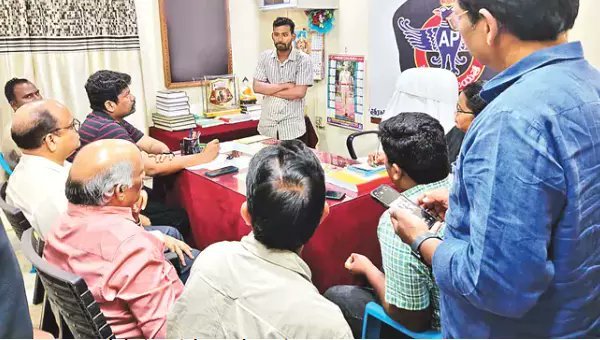
According to multiple reports from The Federal, at least four elderly people died, and several others fell critically ill after consuming contaminated milk in Rajamahendravaram. Earlier public health teams suspected chemical adulteration; however, forensic analysts have now identified traces consistent with industrial coolant contamination, which can cause acute renal failure and severe toxicity.
Informal Milk Supply Chains Under the Microscope
The milk in question was supplied by a small vendor who procured unregulated milk from nearly 50 local farmers and sold it door-to-door to over 100 families. Authorities have detained the vendor and retrieved milk, feed and environmental samples for laboratory analysis.
The coolant leak hypothesis underscores the risks associated with informal supply channels, where lack of temperature-controlled transport, poor storage practices and absence of quality testing can expose milk to non-food substances, especially in hot climates.
Regulatory and Public Health Implications
Public health officials and veterinary scientists have emphasised that the apparent contamination mechanism points to issues beyond simple adulteration. Coolant fluids, often containing ethylene glycol or similar compounds, are toxic even at low doses and can cause kidney failure consistent with clinical symptoms observed among victims.
The incident has prompted renewed calls for better enforcement of food safety regulations, particularly the Food Safety and Standards Authority of India (FSSAI) guidelines that govern dairy hygiene, storage and distribution.
Dairy Sector and Consumer Confidence
For the dairy sector, this episode highlights an urgent need to reinforce quality control across the entire value chain, not just in procurement and processing, but also in last-mile distribution. Organised cooperatives and private processors operate with rigorous testing and cold-chain logistics, yet a significant portion of milk distribution in many regions still relies on unregulated vendors. Strengthening smallholder integration into collective marketing structures or licensed distribution systems could reduce reliance on informal vendors and improve traceability.
Policy and Safety Reform Agenda
In response to public outcry, political leaders have announced compensation for affected families and pledged stricter enforcement. However, analysts suggest that systemic reforms such as mandatory pasteurisation, certification for vendors and expanded laboratory capacity will be essential to restore consumer confidence and prevent similar tragedies. The coolant contamination theory, if confirmed, signals a broader food safety challenge that extends beyond deliberate adulteration to include handling and logistics failures, especially in regions with limited infrastructure.