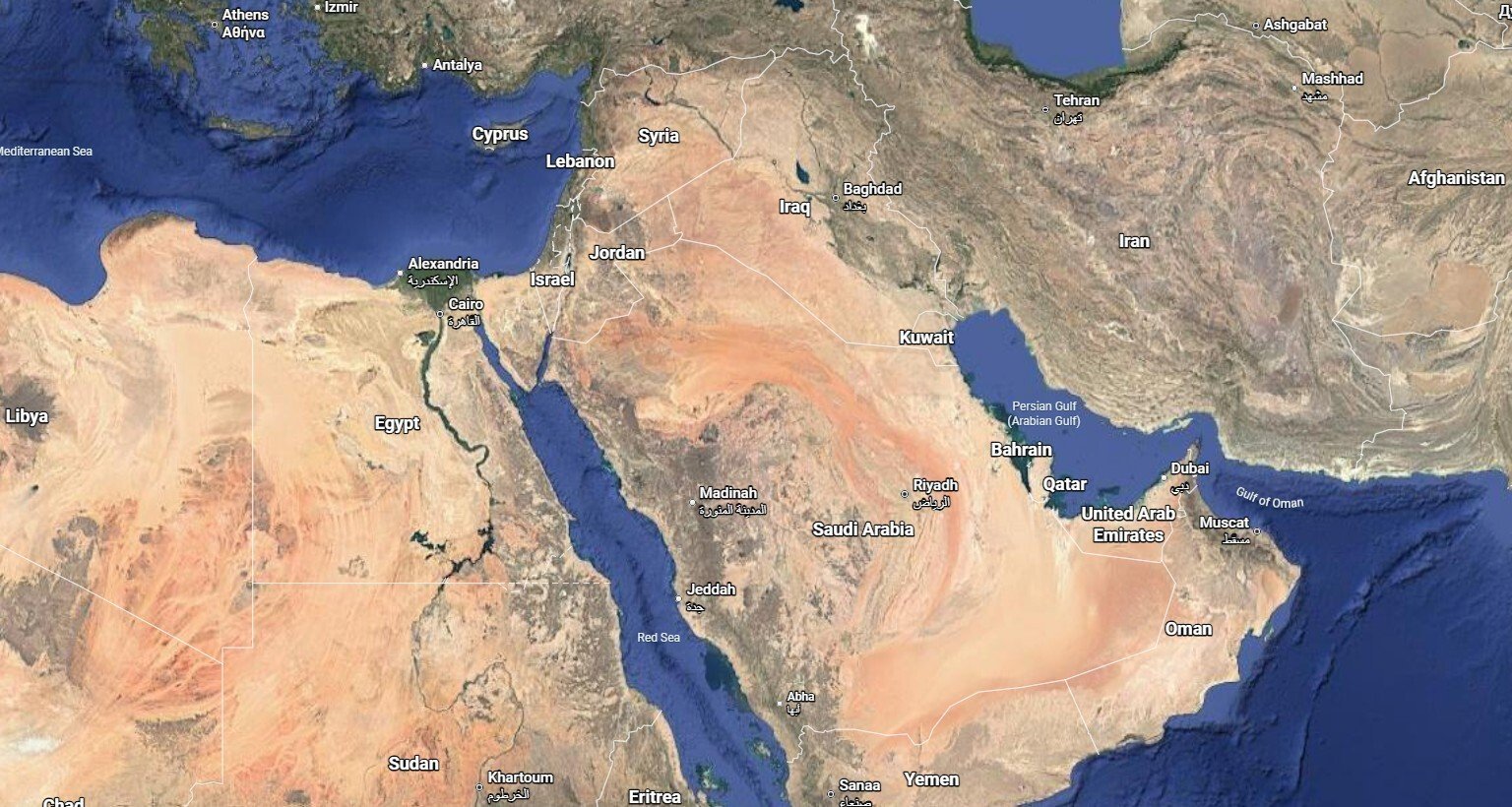
The Indian dairy sector is navigating a perfect storm of logistical bottlenecks and demand destruction as the escalating conflict in the Middle East—culminating in the recent shutdown of the Strait of Hormuz—intersects with rising domestic input costs. While household liquid milk consumption remains a stable anchor, the high-margin institutional and export segments are facing a precipitous decline. For private processors, particularly those heavily indexed to bulk sales and Gulf-aligned trade routes, the current volatility is exposing a fragile dependence on narrow market channels.
Institutional Demand Hits a Wall
The most immediate pressure point is the collapse of the bulk dairy segment. Sterling Agro Industries Ltd. (Nova) has reported a total cessation of bulk sales over the last 20 days—a staggering blow, given that institutional buyers typically account for half of the firm’s ₹2,190 crore in annual revenue. This segment, comprising hotels, caterers, and the confectionery industry (HoReCa), has retreated sharply due to local LPG shortages and wider economic uncertainty.
Table 1: Segmented Demand Disruption (April 2026)
| Segment | Current Trend | Impact Level | Revenue Exposure |
| Household Liquid Milk | Stable / Growth | Low | High (Co-operatives) |
| Bulk Ghee & SMP | Near-Total Halt | Severe | ~50% (Private Players) |
| HoReCa & Catering | Sharp Decline | Severe | Critical for Value-Added |
| Exports (GCC) | Logistics Stalled | Critical | High for SMP Exporters |
The Middle East Export Bottleneck. India’s export strategy is currently a victim of its own geographic focus. With the Middle East accounting for a critical share of India’s dairy exports (estimated at $120m+ annually), the double sea block of the Red Sea and the Strait of Hormuz has triggered a cascade of logistical hurdles.
Chart 1: Export Logistics & Cost Escalation
- War Risk Insurance: Surcharges totalling $700,000 per vessel transit.
- Transit Times: Rerouting via the Cape of Good Hope adds 10–14 days.
- Vessel Availability: Major carriers (Maersk, MSC) have suspended Gulf operations as of March 2026.
Margin Compression and Input Inflation
A sharp spike in non-milk input costs compounds the crisis. While raw milk procurement typically consumes 70% ofprocessor’sr’s revenue, the remaining margin is being eroded by double-digit inflation in ancillaries.
Table 2: Ancillary Input Cost Inflation (Q1 2026 vs Q1 2025)
| Component | Increase (%) | Driver |
| Packaging Materials | 30% | Raw material & Industrial Gas shortages |
| Glass Containers | 45% | Energy-intensive production costs |
| Metal Cans | 40% | Global metal price volatility |
| Industrial Fuel (LPG) | 23% | Supply chain disruption |
Price Outlook: Consumer Impact
As we head into the Ramzan period and the summer peak, industry participants anticipate significant retail price adjustments to offset margin recalibration.
Chart 2: Forecasted Retail Price Increases (April–May 2026)
- Liquid Milk: +₹3–4 per litre
- Curd / Buttermilk: +7–9%
- Paneer: +4–5%
- Ghee: High volatility expected due to bulk inventory depletion.
Strategic Implications for the Industry
This disruption serves as a critical stress test for the Indian dairy value chain. The reliance on LPG-sensitive demand and concentrated export corridors has created a vulnerability that domestic scale alone cannot fix. For investors and processors, the mandate is clear: diversification is no longer optional.
Forward-Looking Insight
The current crisis marks a turning point in India’s economy. To maintain the trajectory “f “Dairy 2″0,” the industry must pivot from being a regional supplier to a resilient global player. This requires aggressive investment in supply chain technology to mitigate energy risks and a strategic push into Southeast Asian and African markets to balance Middle Eastern exposure. Those who fail to diversify their buyer base beyond the institution”l “b”lk” model will likely face continued margin erosion in an increasingly volatile global landscape.