Food Sector Set for Rapid Growth
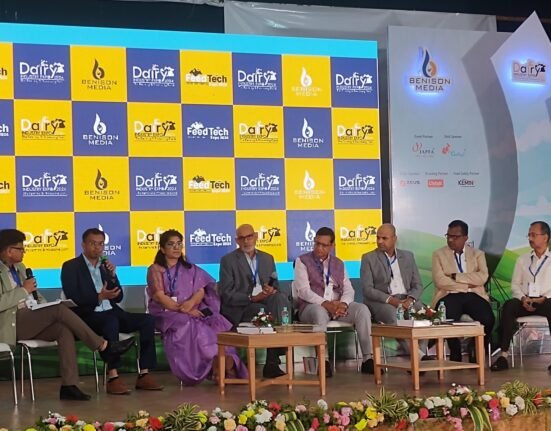
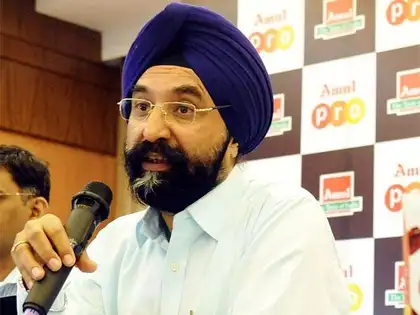
India’s food industry is on track to reach ₹170 lakh crore by 2033. RS Sodhi, President of the Indian Dairy Association, shared this outlook at The Economic Times Global Manufacturing Conclave 2025. He also said that the organised food manufacturing segment will grow to ₹40 lakh crore. This rise will come from changing demographics, higher spending and the growing importance of food in India’s economy.
Need for More Processing Capacity
Today, food makes up almost 20% of India’s GDP. However, only a small share of it is processed. Sodhi stressed that India must expand its processing capacity soon. He warned that the gap between production and processing will widen with time. By 2047, India’s population may reach 1.65 billion, while the share of people working in food production could drop from 62% to 50%. Because of this shift, he believes India must build stronger systems to handle rising demand.
Dairy Will Drive a Large Share of Growth
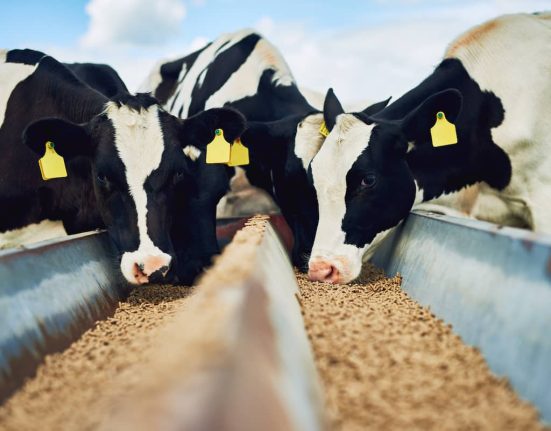
Dairy will play a major role in this expansion. According to Sodhi, the sector alone could contribute ₹14 lakh crore to the future food economy. To meet this target, the industry will need heavy investment. He estimated that India must invest ₹60,000 crore in dairy processing plants and another ₹60,000 crore in storage, logistics and testing facilities. These upgrades will help dairy keep pace with rising consumption.
Innovation and Cooperative Strength
Sodhi also looked back at India’s progress in dairy. He said the cooperative movement and local innovation helped India become the world’s largest milk producer. India even developed its own system to process buffalo milk, since global technology could not handle its higher fat content. Sodhi shared Amul’s growth story as well. When he joined in 1982, Amul’s turnover stood at ₹141 crore. By his retirement in 2023, it had reached ₹72,000 crore. He credited this to strong leadership, consistent quality and a focus on farmers’ interests.
Sustainability Will Shape Future Growth
Looking ahead, Sodhi believes sustainability will guide many decisions. India’s per-capita emissions remain low compared to major economies. Dairy in India is also more circular, as farmers use crop leftovers for feed and cattle dung for fertiliser or biogas. He added that energy use, water efficiency and digital systems across the value chain will matter more in the coming years.
Scale and Affordability Are Key
In closing, Sodhi said India’s food manufacturing opportunity depends on scale, efficiency and affordability. He noted that any new technology or manufacturing process must suit India’s cost structure. Only then, he said, can companies produce affordable food for millions of consumers.