India Leads the World in Milk Consumption
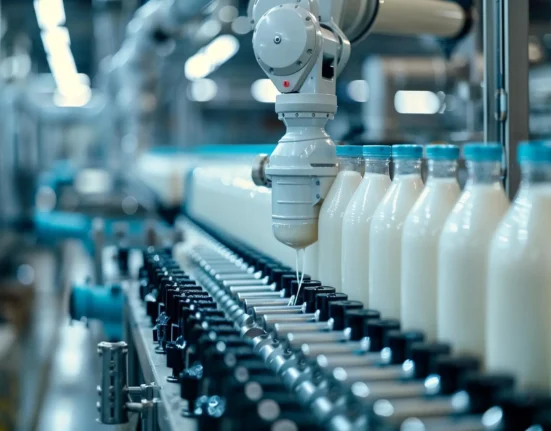
India consumes more milk than any other country in the world. In 2023–24, the country produced around 231 million tonnes of milk, accounting for nearly 25 per cent of global supply. Domestic consumption crossed 210 million metric tonnes in 2024, up from 207 million tonnes the previous year. Per capita milk availability reached 471 grams per day nationwide. Punjab recorded the highest availability at 1,245 grams per day, followed by Gujarat at 700 grams, according to data from the National Dairy Development Board.
Milk’s Cultural and Historical Significance
Milk in India goes far beyond nutrition. It forms a core part of the country’s culture and traditions. Ancient texts such as the Vedas and Ayurveda describe milk as amrit, or nectar. Civilisations have offered milk to deities since Harappan times, dating back to 3300 BCE. Stories of Lord Krishna and butter symbolise purity and abundance. Ayurveda describes milk as sheetal, meaning cooling, which balances spicy Indian food. Milk remains essential in puja and prasad, and Hindu rituals remain incomplete without it. Following the White Revolution, both milk production and consumption rose sharply across the country.
Why Indians Love Milk Nutritionally
Milk provides essential nutrients, especially in vegetarian diets. One glass of milk (250 ml) contains around 8 grams of protein and 300 mg of calcium, meeting nearly 30 per cent of daily calcium needs. It also supplies vitamin B12, vitamin D (when fortified), potassium, and phosphorus. These nutrients support bone strength, muscle repair, and blood sugar balance. Milk plays a vital role in preventing osteoporosis, a major concern in India. Moderate intake also supports heart health due to natural fatty acids such as CLA and omega-3s. Children benefit through improved growth, while adults may reduce diabetes risk. Experts note that nearly 70 per cent of Indians digest milk well, and fermented products like curd suit those with lactose sensitivity.
Rising Adulteration Threatens Trust
Despite its importance, milk adulteration remains a serious concern. A 2025 FSSAI survey found that 68.7 per cent of tested milk samples failed safety standards. Common contaminants included urea, caustic soda, starch, and detergents. These substances pose health risks and weaken consumer trust in the dairy supply chain.
Does Excessive Foaming Mean Milk Is Adulterated?
Excessive and persistent foaming may signal adulteration, but it should not be judged alone. FSSAI has approved several simple home tests to help consumers assess milk purity.
Simple FSSAI-Approved Home Tests for Milk Purity
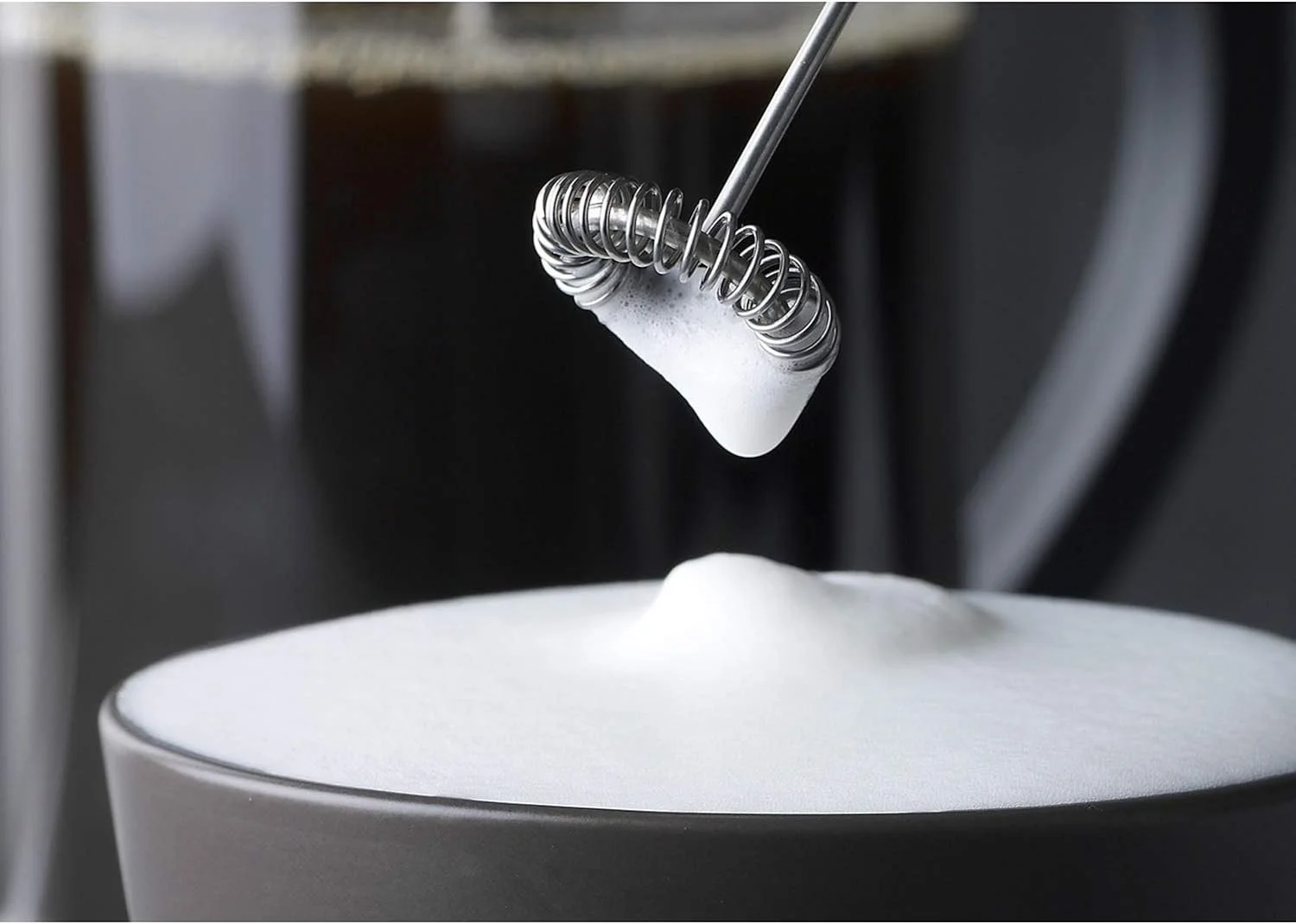
The boiling or foam test involves boiling half a cup of milk. Pure milk forms mild foam that settles quickly. Persistent and thick foam may indicate detergent or soap. Such foam often feels slippery or sticky, unlike watery milk foam.
In the slippery palm test, a few drops of milk are rubbed on the palm. Pure milk washes off easily. Milk adulterated with urea or starch feels sticky or soapy, especially after cooling.
The litmus test checks for urea. Mix a small quantity of milk with soy powder, wait five minutes, and dip red litmus paper. If the paper turns blue, urea may be present.
The iodine test detects starch. Adding iodine drops to milk causes a blue-black colour if starch is present.
The taste and burn test involves sipping cooled milk. A bitter taste, burning sensation, or chemical smell may indicate formalin or synthetic additives. Visible curdling or chunks during boiling can also suggest detergent contamination.
The refrigeration test checks freshness. Pure milk thickens naturally overnight. A rancid smell signals spoilage or adulteration.
Consumer Awareness Is Key
Milk remains central to India’s nutrition and culture, but rising adulteration poses a serious challenge. Awareness of simple purity tests empowers consumers and strengthens accountability across the dairy value chain. Ensuring clean and safe milk is not just a regulatory issue it is essential for public health and long-term trust in India’s dairy sector.