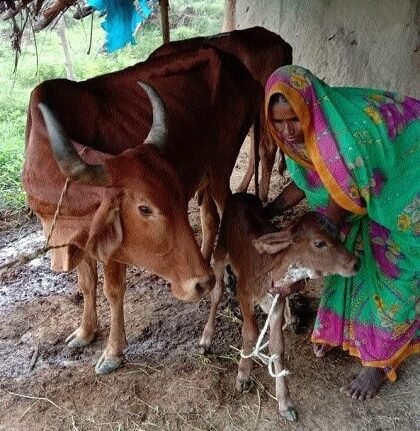
As India and New Zealand restart formal Free Trade Agreement (FTA) negotiations, both countries are seeking to diversify their trade relationships—with dairy emerging as a key area of discussion.
New Zealand, whose economy is heavily reliant on agricultural exports including dairy products, wool, and fruit, is expected to push for expanded market access in India. The two sides resumed FTA talks on 16 March 2025, during a state visit by New Zealand Prime Minister Christopher Luxon, following a nearly decade-long hiatus in negotiations.
“We’re initiating face-to-face talks to build consensus on a mutually beneficial agreement. Market access for dairy will be a critical part of the agenda,” said a government official familiar with the developments.
The broader objective is to reduce dependency on traditional partners amid rising global trade tensions. This includes the recent imposition of a 10% US tariff on imports from both India and New Zealand, effective 5 April, which has accelerated efforts to seek alternative trade routes.
India’s Cautious Approach to Dairy Access
While New Zealand is prioritizing dairy, India has historically resisted tariff reductions on dairy, meat, and wine to protect its domestic agriculture sector. However, Indian imports of certain New Zealand dairy products are already on the rise.
According to Commerce Ministry data, imports of fresh cheese from New Zealand surged by 500%, from $0.03 million in April–January 2023–24 to $0.18 million in the same period of 2024–25. Fruit imports, including kiwis and apples, also remained strong.
“India has always had reservations about opening its dairy market, but there are already several dairy categories being imported without harming local producers,” said a second source close to the negotiations. “These renewed discussions can help both sides find workable solutions.”
India’s exports to New Zealand reached $583.99 million during April–January 2024–25, a 32.26% increase compared to the same period the previous year. Imports from New Zealand stood at $335.07 million, bringing total bilateral trade to $873.4 million for 2023–24.
FTA Scope and Sectoral Focus
The talks, initially launched in 2010 and stalled since 2015, will revisit issues including:
- Greater market access for Indian agricultural products, textiles, and IT services
- Mobility of Indian professionals
- Enhanced supply chain infrastructure
- Approval for vapour heat treatment (VHT) facilities for Indian grape exports
India has been expanding its global FTA footprint, having already inked deals with countries such as Japan, South Korea, Australia, and the European Free Trade Association (EFTA). It is also engaged in talks with ASEAN, the European Union, and Oman.
“The challenge lies in balancing protection for Indian farmers with opportunities for export growth,” said Dattesh Parulekar, Assistant Professor of International Relations at Goa University. “New Zealand’s insistence on dairy access and India’s push for professional mobility remain the main sticking points.”
Both governments have yet to release an official statement, though early signs suggest a willingness to bridge gaps.